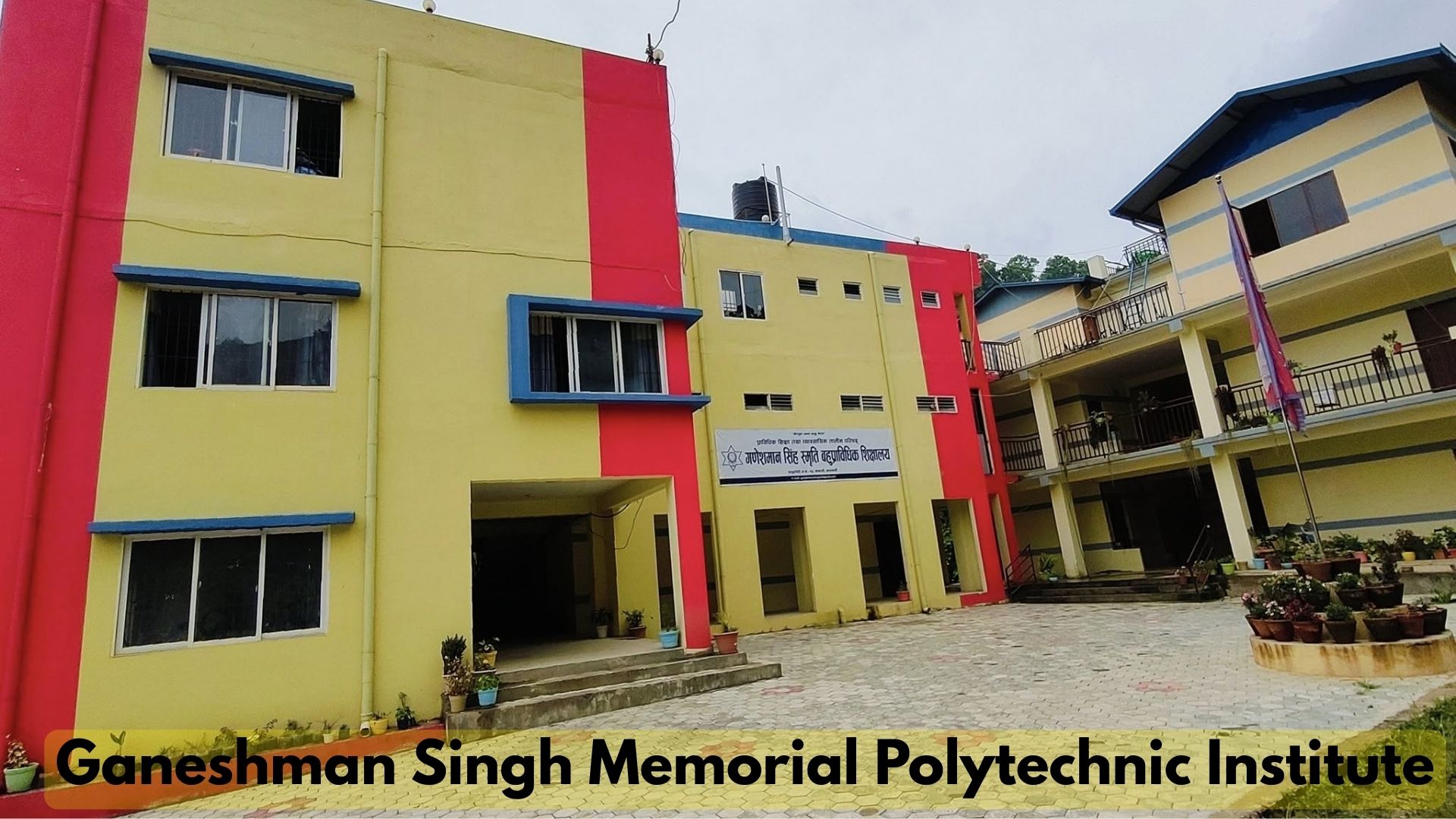
Diploma in Agriculture (Plant Science) at Ganeshman Singh Memorial Polytechnic Institute (GSMPI), Chandragiri-13, Kankali, Kathmandu, is a CTEVT diploma pathway that supports students who want a practical entry into Nepal’s agricultural workforce. GSMPI sits in a location that is suitable for field-based learning, and the institute context matters for this program because plant science skills grow faster when you can observe crops, soils, and local farming systems up close. The institute’s presence in Chandragiri-13 is also reflected in CTEVT’s training-related listings for the campus area.
You may be thinking about your next step after SEE and wondering whether agriculture is a safe long-term choice. Plant science answers that concern through skills that remain relevant across seasons and market changes. The 2025 (2082 BS) revision of the CTEVT curriculum places strong weight on practical learning and updates content to match changing farming needs in Nepal.
Program level: Diploma under CTEVT
Duration: Three years under a yearly system, with 35 academic weeks per year excluding evaluation periods.
Batch size: Up to 40 students.
Learning focus: Crop production, soil and plant health, farm management, and applied technologies
The revised curriculum frames plant science as a balance of theory and hands-on work, aiming to help students understand the full crop cycle within an annual structure. The program covers core areas such as soil science, plant protection, seed and nursery management, agronomy, horticulture, and farm enterprise concepts. The revised document also signals the inclusion of emerging and greener approaches in agriculture to keep learning relevant to sustainability and food security goals.
At GSMPI, this structure becomes meaningful through lab practice, field exposure, and local-context learning. You can expect your learning to connect with real farm conditions found around Kathmandu Valley’s peri-urban and semi-rural belts.
The program aims to prepare mid-level agriculture technicians who can handle crop production and related services. After completing the diploma, students should be able to:
Apply improved crop production methods
Support soil health and basic diagnostics
Use safe and practical plant protection measures
Plan small-scale farm and nursery activities
Document field work and communicate findings
These outcomes reflect the national need for employable plant science technicians and the curriculum’s updated direction.
You will build skills in:
Soil testing basics and fertility planning
Seed selection and nursery operations
Seasonal and off-season vegetable practices
Integrated pest and disease awareness
Record keeping, basic farm costing, and small enterprise planning
The 2025 curriculum lists a mix of lectures, demonstrations, guided practice, project/problem-based learning, field visits, and work-based tasks as appropriate approaches. GSMPI’s institutional setting can support this through structured lab sessions and field learning that match local farming realities.
CTEVT’s updated entry standards for Plant Science include:
SLC/SEE or equivalent with a minimum C grade in any two subjects and D+ in one subject among Mathematics, Science, and English
Or completion of a relevant pre-diploma with at least 68.33%
Passing the CTEVT entrance examination
Admission based on merit and official guidelines of the Office of the Controller of Examinations
This diploma can lead you toward roles such as:
Agriculture technician roles in public or private programs
Farm and nursery supervision
Vegetable, fruit, or seed enterprise work
Support roles in cooperatives, agri-businesses, and local projects
GSMPI’s scholarship approach should follow CTEVT rules for merit and classified categories. The institute-level allocation and yearly notices are typically announced through official channels when admissions open.
Students who want agriculture learning connected to real field settings often benefit from an institute that can support both classroom and outdoor practice. GSMPI’s location and institutional focus on market-relevant diploma areas give you a structured environment to grow practical confidence alongside academic progress.
Diploma in Agriculture (Plant Science) at GSMPI offers a grounded path for students who want skills linked to food, farming, and local enterprise. The revised yearly curriculum signals a stronger practical direction, which matches what many students look for when they want a direct bridge from learning to work.
Is the Plant Science diploma at GSMPI based on the latest CTEVT curriculum?
Yes. The national curriculum has a 2025 (2082 BS) revision with a yearly structure.
How many students are admitted in a batch?
The curriculum sets a maximum of 40 students per batch.
What grades do I need in SEE?
You need at least C grade in any two subjects and D+ in one among Mathematics, Science, and English, alongside passing the entrance exam.
Will this diploma help me start a small farm or nursery?
Yes. The curriculum includes practical and enterprise-linked skills that can support small-scale ventures.
What type of learning style should I expect?
You should expect a mix of theory, lab work, field practice, and project-based tasks.