
Bsc ag.
Want to about bsc.ag.




BSc Agriculture at Paklihawa Campus is an undergraduate program under the Institute of Agriculture and Animal Science (IAAS), Tribhuvan University. The program is offered at Paklihawa Campus, located in Siddharthanagar Municipality, Rupandehi District, Lumbini Province.
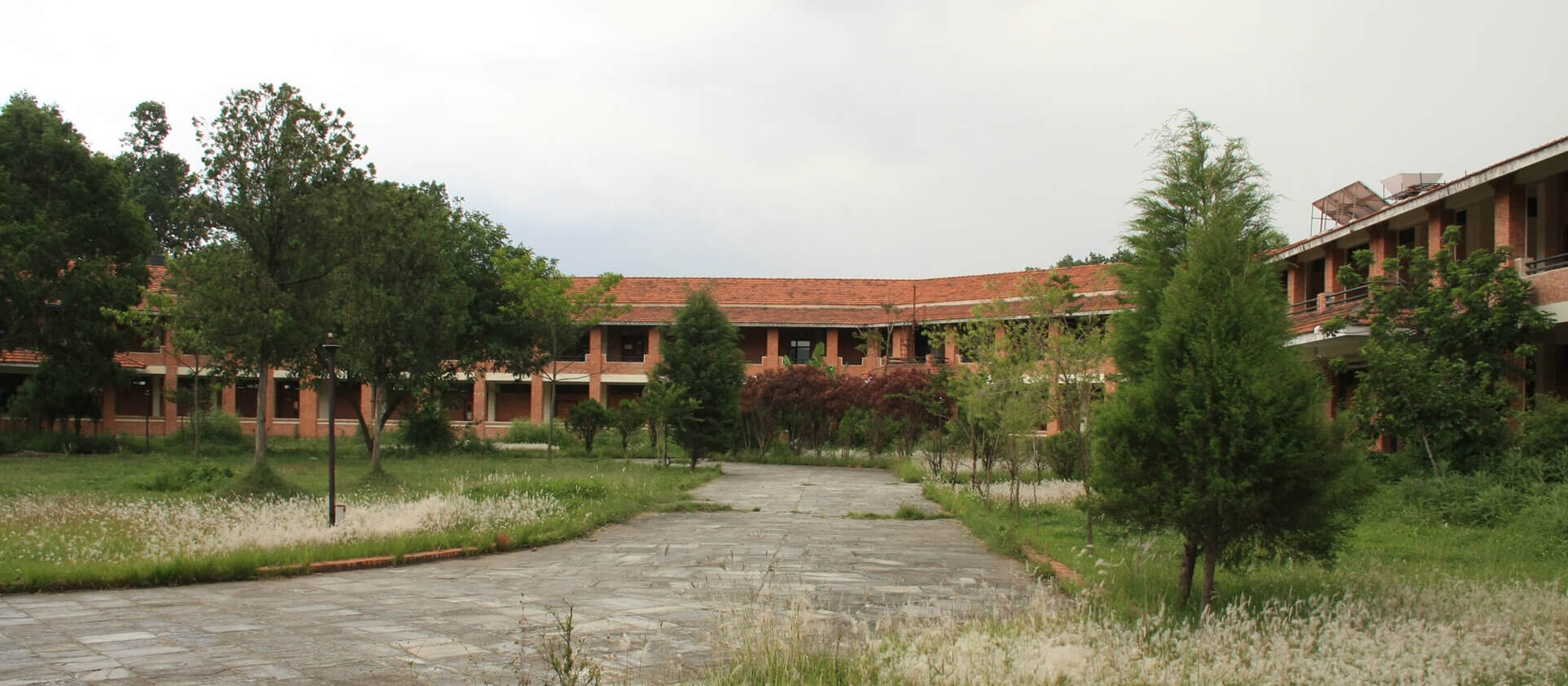
The course is designed for students preparing for academic and professional work in agriculture. At Paklihawa Campus, the program is connected with classroom teaching, field activities, laboratory work, farms, research fields, and study visits. The campus setting includes vegetable farm, agronomy farm, research field, livestock farm, pasture land, ornamental nurseries, and orchard, giving the agriculture program a direct farm-based academic setting.
Course Name: Bachelor of Science in Agriculture
Short Name: B.Sc.Ag.
College: Paklihawa Campus
Institutional Unit: Institute of Agriculture and Animal Science
University: Tribhuvan University
Location: Siddharthanagar Municipality, Rupandehi District, Lumbini Province
Duration: Four years
Academic Structure: Eight semesters
Seats: 52
Study System: Semester system
Instruction Medium: English
Total Credit Hours: 167
Theory Credit Hours: 106
Practical Credit Hours: 61
Eligibility: I.Sc. Basic Science, I.Sc. Agriculture, or 10+2 Science/Agriculture Science with required science subjects and at least 50 percent aggregate marks
Admission Basis: Merit-based selection through entrance examination
Campus Learning Resources: Farms, laboratories, research fields, seminar hall, classrooms, hostels, and horticultural crop collection and sale center
The B.Sc.Ag. curriculum is arranged across eight semesters. It combines theory and practical components, with introductory courses in the initial semesters and more applied, problem-solving, enterprise, and research-related courses in later semesters.
The program carries 167 total credit hours.
The credit-hour distribution includes 106 theory credit hours and 61 practical credit hours.
One theory credit equals one lecture hour per week.
One practical credit equals two to three practical hours per week.
Each theory or practical credit hour is equivalent to 25 marks.
The curriculum includes Agriculture Enterprise Learning Program in the later semesters.
The eighth semester includes Fundamental of Research, Practices and Seminar with 4 credit hours.
Students must complete all prescribed courses to earn the degree.
Major course areas include:
Agricultural Botany and Ecology
Agricultural Economics
Agronomy
Entomology
Agricultural Extension
Horticulture
Plant Breeding
Plant Pathology
Soil Science and Agri-Engineering
Livestock Production and Management
Animal Breeding
Animal Nutrition and Fodder Production
Aquaculture and Fisheries
Agricultural Statistics
Enterprise Learning
Research, Practices and Seminar
Prepare students as academically competent and practice-oriented agriculturists.
Build knowledge in core agricultural disciplines through theory, field, and laboratory-based study.
Develop graduates ready to apply agricultural knowledge in technical agriculture, agricultural extension, agricultural education, agribusiness, and rural development programs.
Support student involvement in research and scholarly activities relevant to Nepalese agriculture and farmers.
Connect agriculture education with production, marketing, data analysis, seminar presentation, and scientific report writing.
The BSc Agriculture program at Paklihawa Campus is linked with agriculture education in a farm-based campus setting. The campus has about 19 hectares of research and farm area, including vegetable farm, agronomy farm, research field, livestock farm, pasture land, ornamental nurseries, and orchard.
The program’s academic scope covers crop science, soil science, horticulture, plant protection, agricultural economics, agricultural extension, animal science, fisheries, agri-engineering, enterprise learning, and research practice. This makes the course relevant for students who want structured undergraduate study in agriculture under Tribhuvan University.
Understand core agricultural disciplines across crop, soil, plant, livestock, economics, extension, and related areas.
Apply agricultural knowledge through classroom, field, laboratory, and farm-based academic work.
Work with production and marketing methods through research and practice-based coursework.
Analyze data and present academic results through seminar-based learning.
Prepare a scientific report in the form of a mini-thesis through the Research, Practices and Seminar course.
Connect agricultural study with rural development, agribusiness, extension, and agricultural education contexts.
Crop production and agronomy-related academic skills
Horticulture, vegetable production, ornamental plant, and orchard-related learning
Soil science and agri-engineering fundamentals
Plant pathology, entomology, and plant protection-related study
Farm management and production economics
Agribusiness management and financing
Agricultural communication and rural sociology
Laboratory and field-based academic work
Production and marketing methodology
Data analysis, seminar presentation, and scientific report writing
Enterprise learning through agriculture-related coursework
The B.Sc.Ag. program follows the semester system under IAAS, Tribhuvan University. Courses are instructed in English. Academic delivery includes classroom teaching, fieldwork, laboratory work, study visits, lecture-cum-discussion, group-based assignments, and presentations.
At Paklihawa Campus, the agriculture program is supported by farms, research fields, laboratories, and crop-related practical areas. The horticultural crop collection and sale center is connected with project work and practical activities by students from different semesters.
Teaching and learning activities include:
Classroom instruction
Fieldwork
Laboratory work
Study visits
Lecture-cum-discussion
Group-based assignments
Student presentations
Farm and research-field activities
Research, Practices and Seminar in the final semester
Technical agriculture
Agricultural extension
Agricultural education
Agribusiness
Agricultural and rural development programs
Farm and production-related work
Research-linked agriculture work
Crop, soil, horticulture, plant protection, livestock, and fisheries-related academic and technical fields
Merit-based scholarships are available for undergraduate students.
Students who meet the scholarship criteria can receive Rs. 200 per month.
The scholarship is disbursed for a maximum duration of 10 months.
Scholarship selection is based on the specified criteria and application process.
Admission to B.Sc.Ag. at Paklihawa Campus is merit-based.
Selection is conducted through a competitive entrance examination.
Candidates are evaluated through previous academic records, entrance examination scores, and additional requirements set by the campus.
Applicants must meet the eligibility criteria before admission consideration.
Admission notices and related information are published before the entrance examination.
The entrance examination uses an optical mark reading system for answer sheet processing and scoring.
Reserved quota and admission allowances are applied according to national and university policies.
The program follows the semester system. Each academic year has two semesters, and one semester includes 90 effective working days for teaching and about two weeks for the final examination.
In theory subjects, 20 percent of the full marks is evaluated internally through internal assessment, and 80 percent is allocated to the semester examination. Students must secure at least 40 percent marks in internal assessment to qualify for the final examination.
For practical subjects, the practical semester examination is conducted separately. A student must secure at least 40 percent marks in theory and practical separately to pass the final theory and practical examinations in each subject.
Students who fail in the final theory or practical examination are allowed to take a back paper examination about one month after the regular semester result announcement. A student must attend at least 70 percent of classes in each subject to be eligible for the final examination.
A student becomes eligible for the B.Sc.Ag. degree after completing all curriculum requirements. The IAAS Examination Board declares semester results, and the Controller of Examination of Tribhuvan University issues the transcript after mark sheets are submitted through the IAAS examination process.
BSc Agriculture at Paklihawa Campus is structured around agriculture study under IAAS, Tribhuvan University, with a four-year, eight-semester curriculum. The program combines theory, field activities, laboratory work, enterprise learning, and final-semester research practice.
Paklihawa Campus adds a specific academic setting for this course through its research and farm area, crop farms, livestock farm, laboratories, and student project activities connected with horticultural crop production. For students planning undergraduate study in agriculture in Rupandehi, the program provides a defined route into agricultural science through the TU semester system.
The BSc Agriculture program at Paklihawa Campus is a four-year undergraduate program arranged across eight semesters.
The program is under the Institute of Agriculture and Animal Science, Tribhuvan University.
Applicants must have completed I.Sc. Basic Science, I.Sc. Agriculture, or 10+2 Science/Agriculture Science with compulsory Biology, Chemistry, English, Mathematics, and Physics, securing at least 50 percent marks in aggregate.
Admission is merit-based through a competitive entrance examination. Academic records, entrance examination scores, and campus requirements are considered during selection.
The BSc Agriculture program at Paklihawa Campus has 52 seats.
The program is supported by farms, laboratories, research fields, vegetable farm, agronomy farm, pasture land, ornamental nurseries, orchard, and a horticultural crop collection and sale center connected with student project and practical work.
Want to about bsc.ag.






