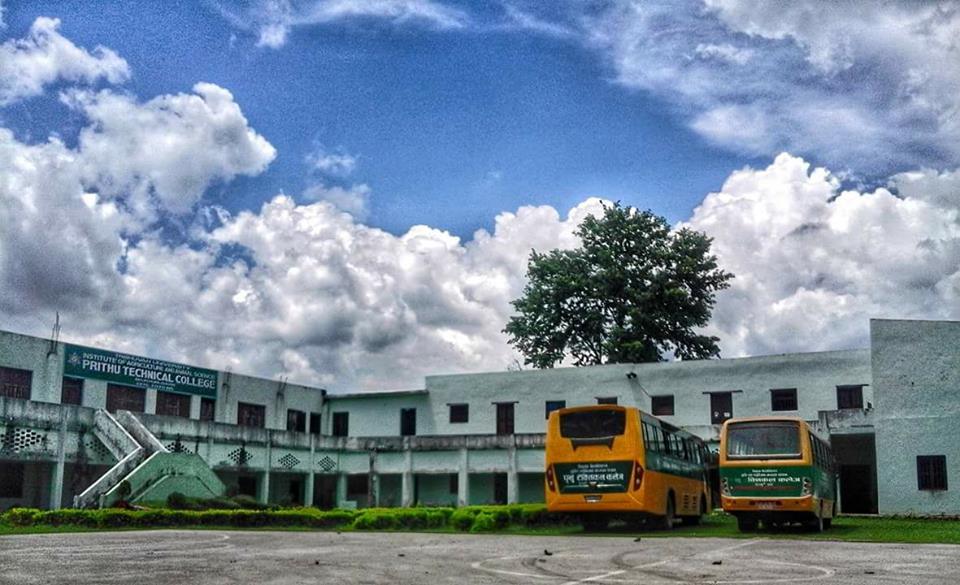
The Bachelor of Science in Agriculture (B.Sc. Ag.) at Prithu Technical College is a four-year undergraduate program affiliated with Tribhuvan University. The college is located at Lamahi Municipality, Dang, Ward-3, Bangaun, Deukhuri Dang, Nepal.
Prithu Technical College was established in 2013 AD and is approved by the University Grants Commission of Nepal. Its academic focus is agriculture education, with the B.Sc. Ag. program serving as its central undergraduate offering.
The B.Sc. Agriculture at Prithu Technical College follows an eight-semester structure. The program includes classroom teaching, laboratory work, fieldwork, study visits, enterprise learning, and research-related academic work. Students study agriculture through theory and practice across crop science, soil science, horticulture, animal science, agricultural economics, extension, plant protection, fisheries, research, and related areas.
Course Name: Bachelor of Science in Agriculture
Common Name: B.Sc. Ag.
College: Prithu Technical College
Location: Lamahi Municipality Ward-3, Bangaun, Deukhuri Dang, Nepal
Affiliation: Tribhuvan University
Approval: University Grants Commission of Nepal
Duration: Four years
Structure: Eight semesters
Total Credit Hours: 167
Theory Credit Hours: 106
Practical Credit Hours: 61
Admission Basis: Entrance examination and merit list
Instruction Medium: English
Academic System: Semester system
The B.Sc. Ag. curriculum is organized across eight semesters with a total of 167 credit hours. It includes 106 theory credit hours and 61 practical credit hours. The structure combines basic agricultural sciences, applied agriculture, enterprise learning, and research-related work.
The first year introduces students to economics, agronomy, horticulture, soil science, biochemistry, animal science, genetics, rural sociology, crop physiology, entomology, plant pathology, and related basic areas.
The second year includes natural resource economics, grain-legume and oilseed crops, plant breeding, insect-pest management, crop disease management, vegetable and spice crop production, soil fertility, agricultural microbiology, ruminant production, agricultural statistics, farm power and machinery, commercial crops, and aquaculture-related study.
The third year covers agricultural marketing, cooperatives, international trade, agricultural extension, weed management, protected and precision horticulture, soil conservation, medicinal and aromatic plants, animal nutrition, aquaculture, project planning, communication, seed science, agroforestry, agro-biodiversity, animal breeding, environmental protection, and fisheries.
The seventh semester includes agribusiness management and financing, social mobilization, farming systems, dairy science, seed pathology, mushroom cultivation, post-harvest horticulture, irrigation management, and animal ethics.
The eighth semester includes organic farming and sustainable agriculture, farm structure and surveying, modern plant breeding and biotechnology, and Fundamental of Research, Practices and Seminar.
Agri-enterprise Learning Program courses are included in the fourth, fifth, and sixth semesters.
Fundamental of Research, Practices and Seminar carries 4 credit hours in the final semester.
Prepare students for academic and practical work in agriculture.
Build knowledge across crop production, soil, horticulture, livestock, fisheries, plant protection, economics, extension, and agribusiness.
Support learning through classroom instruction, fieldwork, laboratory work, and study visits.
Develop student capacity for research-related tasks, data analysis, seminar presentation, and scientific report writing.
Connect agriculture study with production, marketing, and enterprise-related learning.
The B.Sc. Ag. program at Prithu Technical College gives students an academic base for agriculture-related work in Nepal’s agricultural sector. The curriculum covers both production and support areas of agriculture, including crops, livestock, soil, plant health, economics, extension, fisheries, and agribusiness.
The program also includes research and enterprise components. In the final semester, Fundamental of Research, Practices and Seminar gives students academic space to work with production and marketing methods, data analysis, seminar delivery, and scientific report preparation.
Graduates may pursue agriculture-related roles in technical agriculture, farm management, crop consultancy, livestock-related work, agribusiness, agricultural research, agricultural education, and public or community-oriented agriculture programs.
Understand the basic and applied areas of agricultural science.
Apply classroom learning through fieldwork, laboratory work, and practical courses.
Interpret agricultural problems through crop, soil, livestock, plant health, economic, and extension perspectives.
Work with production and marketing methods through research and enterprise-linked academic tasks.
Prepare and present academic work through seminar and scientific reporting.
Meet academic requirements under the semester-based evaluation system.
Crop production and agronomy-related skills
Soil science and soil fertility-related understanding
Horticulture and post-harvest study
Plant breeding, genetics, and biotechnology foundations
Plant pathology, entomology, and pest management knowledge
Livestock production, animal nutrition, and animal breeding basics
Aquaculture and fisheries-related study
Agricultural economics, marketing, and agribusiness understanding
Agricultural extension, communication, and community-related learning
Research, data analysis, seminar presentation, and scientific report writing
The B.Sc. Ag. program combines classroom teaching with field and laboratory-based learning. Courses are instructed in English and follow the semester system.
Classroom teaching
Laboratory work
Fieldwork
Study visits
Practical courses
Lecture and discussion
Group-based assignments
Presentations
Agri-enterprise Learning Program courses
Fundamental of Research, Practices and Seminar
Agricultural officer
Farm manager
Crop consultant
Livestock specialist
Agribusiness professional
Agricultural researcher
Agriculture educator
Agriculture-related entrepreneur
Sustainable agriculture practitioner
Agriculture and rural development program worker
Scholarships are available at Prithu Technical College.
Scholarship support is included among the college facilities.
Students may contact the college administration for current scholarship procedures and schedules.
Admission is based on entrance examination performance.
Candidates who pass the entrance examination are considered through a merit-based selection process.
A merit list is prepared after the entrance examination.
Admission and application schedules are posted through the college website and notice board.
Candidates are expected to follow the published application and admission schedule.
Students are eligible to apply for B.Sc. Ag. if they have completed I.Sc. Basic Science, I.Sc. Agriculture, or 10+2 Science/Agriculture Science with compulsory Biology, Chemistry, English, Mathematics, and Physics.
Applicants must have secured at least 50 percent marks in aggregate from Tribhuvan University or other recognized universities and boards.
The B.Sc. Ag. program follows the semester system. Each academic year has two semesters. One semester includes 90 effective working days for teaching and about two weeks for final examination.
Theory courses include internal assessment and semester examination components. Internal assessment covers 20 percent of full marks in theory, and the semester examination covers 80 percent. Students must secure at least 40 percent marks in internal assessment to qualify for the final examination.
Practical examinations are conducted separately. Students must secure at least 40 percent marks in theory and practical separately to pass each subject. A student who fails the final theory or practical examination may sit for a back paper examination after the regular semester result.
Students must attend at least 70 percent of classes in each subject to be eligible for the final examination. Results are declared through the IAAS examination system, and the transcript is issued by the Controller of Examination of Tribhuvan University after mark sheets are submitted through the examination process.
The B.Sc. Agriculture program at Prithu Technical College provides a structured undergraduate route for students who want to study agriculture under Tribhuvan University. Its curriculum covers agricultural science through theory, practical work, enterprise learning, field activities, laboratory study, and research-related academic tasks.
The B.Sc. Agriculture program at Prithu Technical College has a duration of four years.
The program is affiliated with Tribhuvan University.
The program follows an eight-semester structure.
Applicants must have completed I.Sc. Basic Science, I.Sc. Agriculture, or 10+2 Science/Agriculture Science with compulsory Biology, Chemistry, English, Mathematics, and Physics, and at least 50 percent aggregate marks.
Admission is conducted through an entrance examination and merit-based selection process.
The program includes classroom teaching, laboratory work, fieldwork, study visits, practical courses, Agri-enterprise Learning Program courses, and Fundamental of Research, Practices and Seminar.