Overview
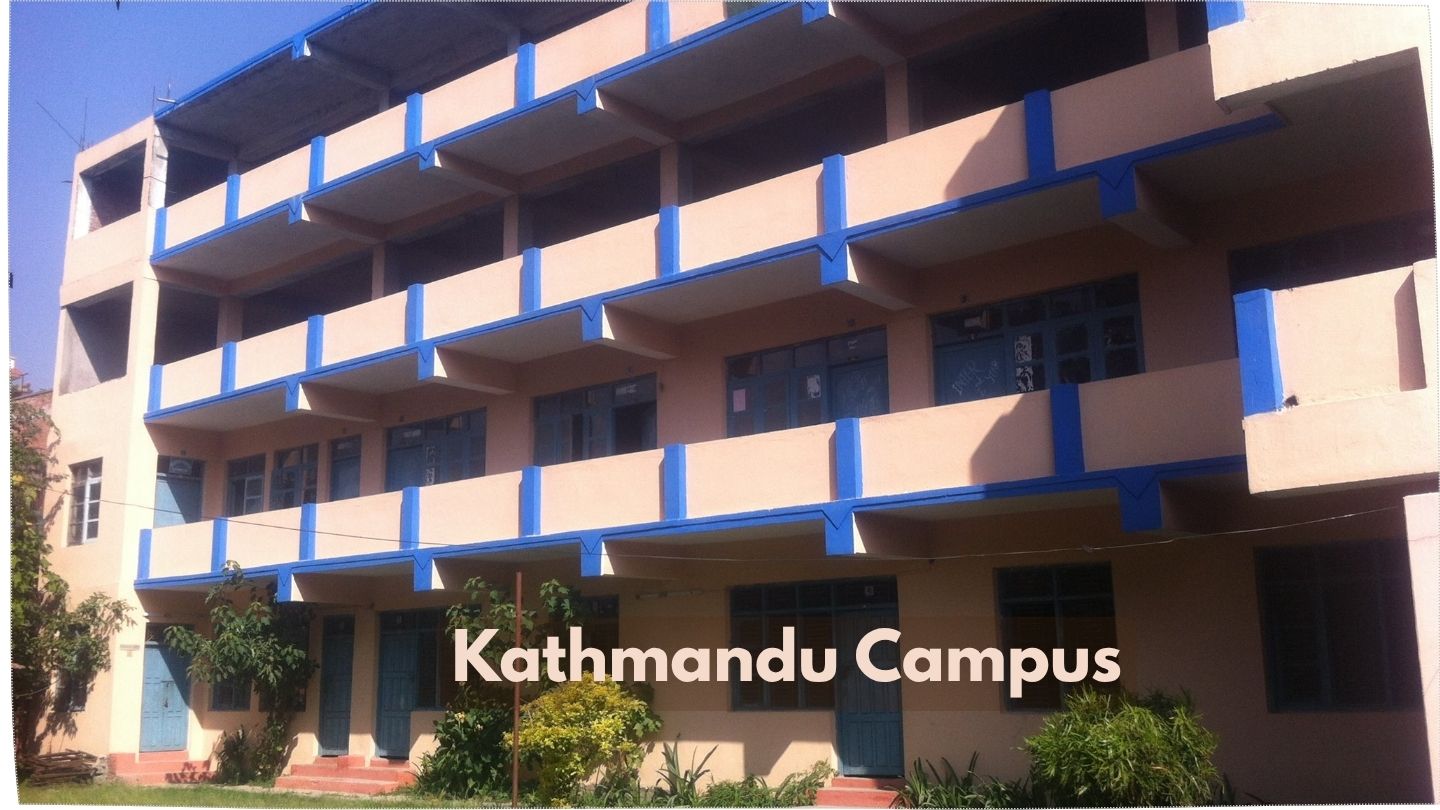
Master of Business Studies (MBS) at Kathmandu Campus, Kalimati
Master of Business Studies (MBS) at Kathmandu Campus, Kalimati, runs under Tribhuvan University’s Faculty of Management. You study a two-year, four-semester master’s degree that follows TU rules on entrance, teaching hours, internal assessment, and final examinations.
This course suits graduates who want structured study in accounting, finance, marketing, human resource management, operations, and research. Students learn management theory in a Nepal context and apply it to practical tasks, case work, and a guided project or thesis as required by TU.
Highlights
-
Affiliation: Tribhuvan University, Faculty of Management
-
Duration/Mode: Two academic years; four semesters under TU rules
-
Location: Kalimati, Kathmandu (community campus)
-
Academic Structure: Core courses, specialization area, research component, and exams per semester
-
Assessment: Internal evaluation plus TU semester examinations
Curriculum Details
The curriculum gives you breadth in core areas and depth in one focus. Core study generally covers managerial economics, organizational behavior, accounting and finance, marketing management, operations and project management, business research methods, and strategic management. A specialization stream (for example, accounting, finance, marketing, or HRM) builds subject depth through advanced papers.
Students complete a research component that may take the form of a thesis or project report as guided by TU. Classes use current TU syllabi; availability of specific elective papers follows the campus timetable and faculty load each semester.
Objectives
-
build strong understanding of how organizations in Nepal plan, finance, market, and operate;
-
strengthen research habits for data collection, analysis, and reporting;
-
prepare students for mid-level responsibility in banks, firms, social enterprises, and public bodies;
-
support entry to further study or professional certification where a master’s degree is required.
Scope
Graduates move into roles that need analytical thinking and clear reporting. Typical entry tracks include banking operations, credit analysis support, accounts and audit assistance, sales planning, channel management, HR coordination, procurement, and project administration. Some students pursue research assistantships or sit for competitive exams that accept a master’s qualification.
Learning Outcomes
Students should be able to:
-
read financial and market information and write concise decision notes;
-
use quantitative tools for budgeting, forecasting, and basic risk checks;
-
plan a small study using research methods and present findings with clear visuals;
-
work in teams across functions and manage short milestones;
-
prepare structured presentations for academic or workplace settings.
Skill Development Modules
-
Quantitative skills: managerial statistics, spreadsheet modeling, and decision tools;
-
Communication: policy memos, case write-ups, and presentation decks;
-
Financial skills: statement analysis, working capital notes, and simple models;
-
Marketing/Operations: plan outlines, process mapping, and quality checkpoints;
-
Research practice: topic framing, instrument drafting, ethics basics, and citation.
Teaching Methodology
Teaching mixes lectures, guided discussions, problem sets, case analysis, and short field tasks where the subject needs local data. Faculty use TU evaluation formats for internal marks and maintain attendance records as required. End-semester examinations are conducted under TU rules. Students receive supervision for the research component and follow the submission calendar set by the department.
Admission Requirements
-
Eligibility: Bachelor’s degree or equivalent recognized by TU in the required faculty stream.
-
Entrance: TU’s CMAT or the current FoM entrance requirement; campus may add group discussion or interview steps as notified.
-
Documents: academic transcripts, character certificate, migration (if applicable), and identification.
-
Seat and Calendar: Kathmandu Campus publishes forms, deadlines, and semester start dates before each intake.
Applicants should review the latest TU/FoM notices and the campus noticeboard for any change in entry criteria or seat allocation.
Career Opportunities
Graduates start in roles such as banking/insurance operations, finance and accounts support, junior analyst, marketing and channel coordination, procurement and supply support, HR and admin coordination, and project officer in development or corporate settings. Students targeting research or teaching move toward assistant roles while planning further study as per national rules.
Scholarships and Financial Aid
Community campuses often announce merit or need-based support during admission. Kathmandu Campus posts criteria, required forms, and deadlines through official notices each semester. Students should ask about any reserved categories and renewal conditions.
Why Choose This Course?
You gain a steady semester rhythm, practical assignments, and a research component that helps you connect classroom learning to Nepal’s workplace. The structure keeps core subjects and specialization in balance, which supports both immediate employability and future study plans.
Conclusion
MBS at Kathmandu Campus offers a clear, TU-guided master’s route in management studies. Students should verify the current subject basket, entrance timeline, and any scholarship rules during application so that planning, workload, and costs remain transparent.
FAQ
1) How long is the MBS at TU?
Two academic years over four semesters under Tribhuvan University.
2) Is there an entrance exam?
Yes. TU requires CMAT or the current FoM master’s entrance. The campus may schedule interviews or group tasks.
3) Does the course include a thesis or project?
Yes. Students complete a research component per TU guidelines with departmental supervision.
4) Can graduates from non-management streams apply?
Eligibility follows TU rules on recognized bachelor’s degrees and entrance performance. Check the latest notice for any faculty-specific condition.
5) What documents are needed at admission?
Transcripts, character certificate, migration (if applicable), identification, and any documents listed in the campus notice.