Overview
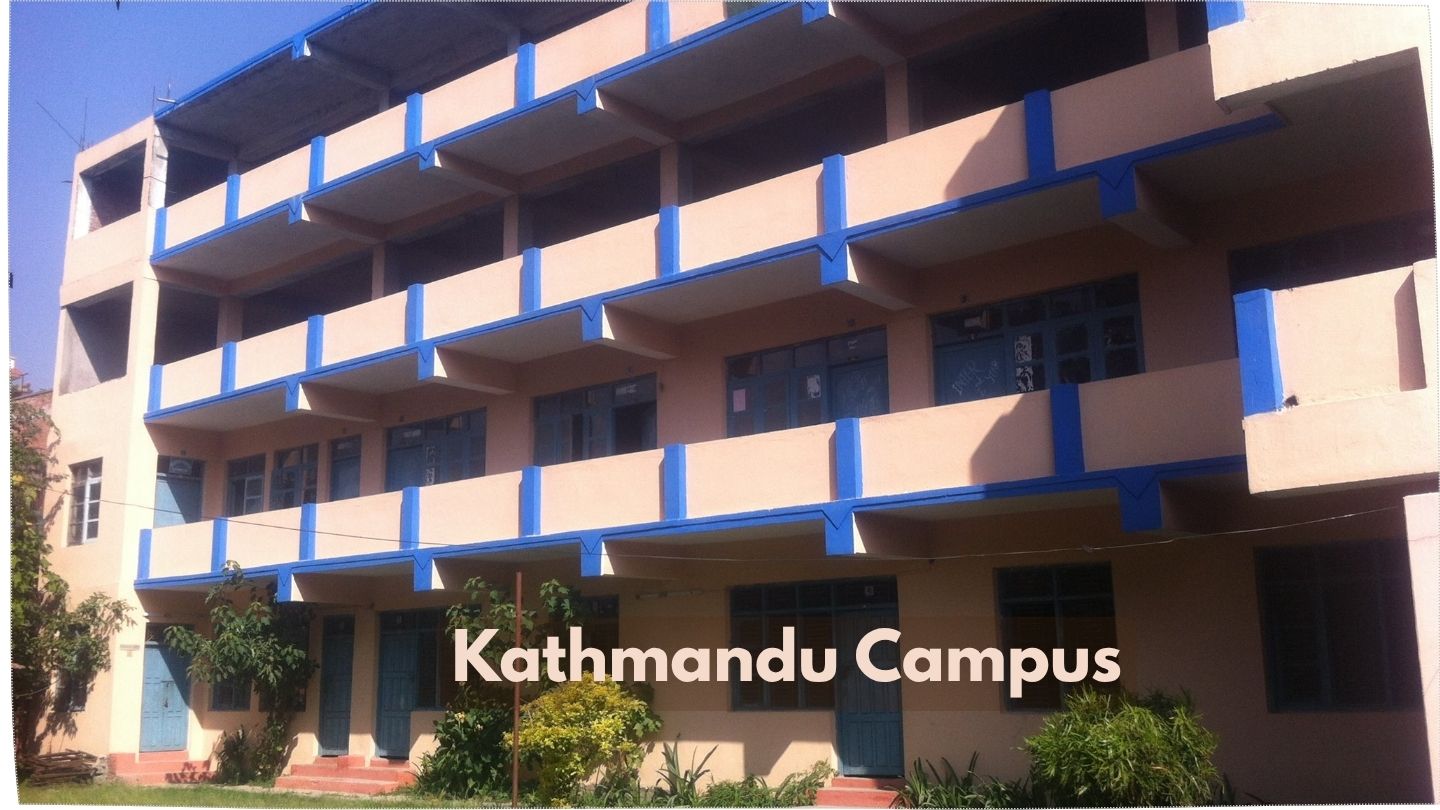
Ten Plus Two (+2) Humanities at Kathmandu Campus, Kalimati
Ten Plus Two (+2) Humanities at Kathmandu Campus, Kalimati, follows the National Examination Board (NEB) framework for Grades 11 and 12.
You study compulsory English and Nepali in both grades, and you choose either Social Studies & Life Skills Education or Mathematics as the third compulsory subject, then build your basket from NEB-approved electives.
Highlights
-
Affiliation: National Examination Board (NEB)
-
Level: Secondary (Grade 11 and 12)
-
Compulsory set: English, Nepali, and either Social Studies & Life Skills Education or Mathematics
-
Elective focus: Social sciences, languages, and media studies as offered by the campus
-
Assessment: NEB model—internal work plus board examinations
Curriculum Details
The compulsory basket includes English and Nepali across both grades. The third compulsory subject is either Social Studies & Life Skills Education or Mathematics. Electives typically draw from Sociology, Psychology, Political Science, Journalism/Mass Communication, Population Studies, Geography, History, and Language Studies. The campus publishes the final subject basket each session; combinations depend on department capacity and NEB approvals.
Objectives
-
help you build reading, writing, and discussion skills for academic and public communication;
-
connect theory to local observations through short assignments and field notes;
-
prepare you for BA and related degrees under Tribhuvan University or other recognized universities.
Scope
Students plan pathways toward BA majors such as Sociology, Journalism/Mass Communication, English/Nepali, Political Science, or Psychology. Early roles after Grade 12 include content support, community program assistance, data entry for social projects, and internships that value clear writing and observation.
Learning Outcomes
By the end of Grade 12, you should be able to:
-
summarize texts and write short evidence-based responses;
-
prepare brief field or media reports using simple tools;
-
present ideas with references and clear slides;
-
link social issues to course concepts.
Skill Development Modules
-
Academic writing: summaries, response papers, and short essays;
-
Field basics: observation sheets, interview notes, and data logs;
-
Communication: seminar speaking, news/story outlines, and visual aids;
-
Methods: citation habits and ethics for small assignments.
Teaching Methodology
Faculty use lectures, seminars, guided readings, and presentation tasks. Departments may assign field notes or media reviews where the subject requires community or content observation. Internal evaluation follows NEB guidelines; final exams run under the board schedule.
Admission Requirements
-
Eligibility: SEE or equivalent from a recognized board;
-
Subject planning: choose the third compulsory (Social Studies & Life Skills Education or Mathematics) and electives from the campus list;
-
Process: follow the campus notice for forms, deadlines, and orientation.
Career Opportunities
Typical entry routes include newsroom/content assistance, community program support, library/archives, and junior roles that require writing and people skills. Many students proceed to bachelor’s study before seeking full-time roles.
Scholarships and Financial Aid
Community campuses announce merit and need-based support during admission. Kathmandu Campus shares criteria, documents, and dates through official notices each intake.
Why Choose This Course?
You gain steady practice in reading, writing, small research tasks, and presentations. The subject basket keeps room for languages and social sciences so you can shape a BA plan that matches your interests.
Conclusion
+2 Humanities at Kathmandu Campus offers a clear NEB-guided route into social sciences and language studies. Check the latest campus list for available combinations, teaching timetable, and exam forms.
FAQ
1) Are English and Nepali compulsory in both grades?
Yes. English and Nepali run across Grade 11 and 12.
2) Can I take Mathematics in Humanities?
Yes. You may choose Mathematics instead of Social Studies & Life Skills Education as the third compulsory subject.
3) Which electives are common in Humanities?
Sociology, Psychology, Political Science, Journalism/Mass Communication, Population Studies, Geography, History, and languages—subject to campus availability.
4) How is internal assessment handled?
Departments follow NEB’s internal evaluation formats and publish periodic tasks.
5) What should I confirm at admission?
Final subject combinations, class routine, internal evaluation plan, and any scholarship forms.