Overview
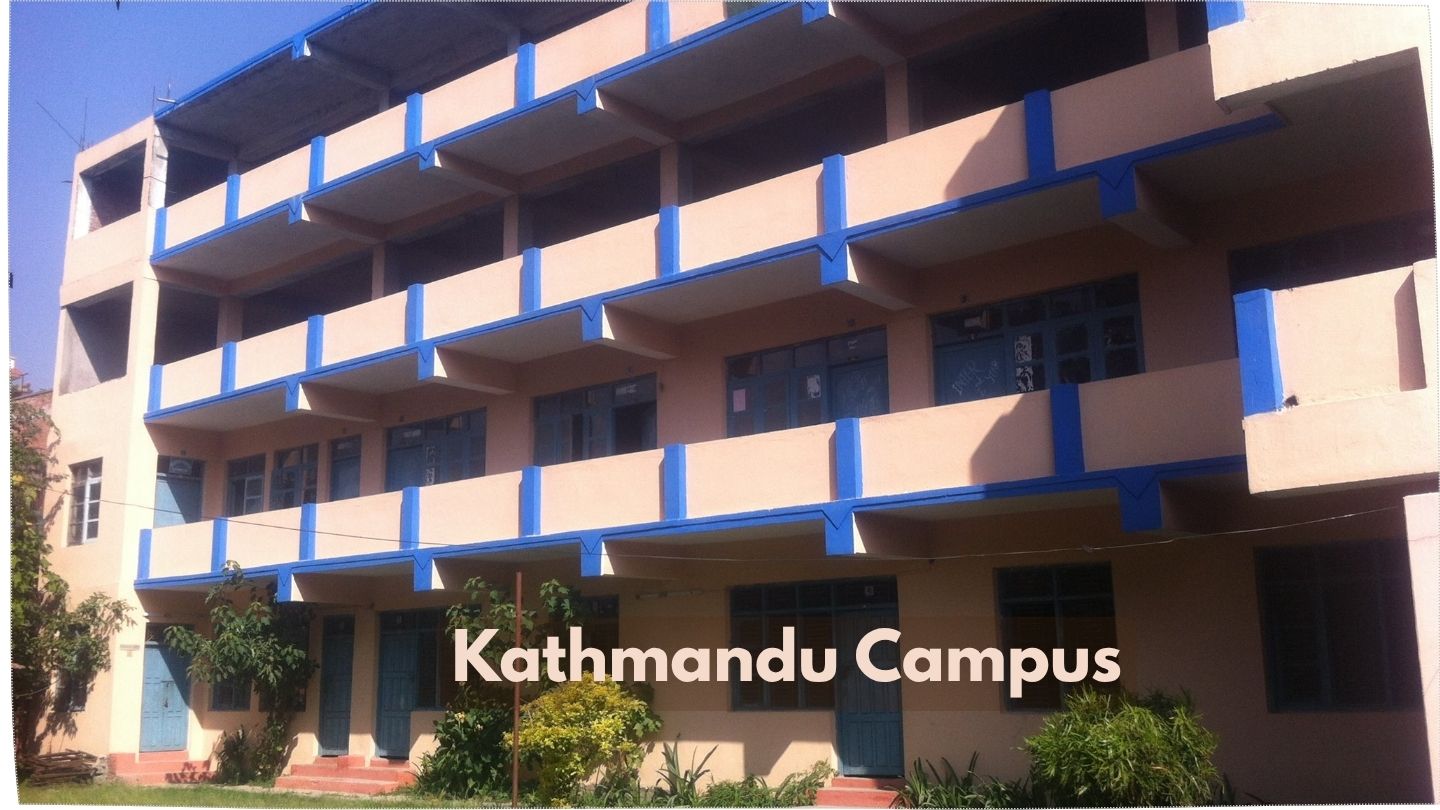
Bachelor of Arts (BA) at Kathmandu Campus, Kalimati
Bachelor of Arts (BA) at Kathmandu Campus, Kalimati, follows Tribhuvan University’s Faculty of Humanities and Social Sciences structure. Students complete a four-year program mapped to TU guidelines, with majors/minors selected from approved subjects offered at the campus.
Highlights
-
Affiliation: Tribhuvan University, Faculty of Humanities and Social Sciences
-
Duration/Marks: Four academic years; program widely referenced as a 2,000-mark course at TU (500 marks per year)
-
Subject Choice: Major and minor subjects from TU’s approved list; campus announces available combinations each intake
Curriculum Details
The BA framework covers language studies and social sciences. TU outlines a structure where students select majors (often two major subjects across years) and supporting minors. Actual combinations depend on campus capacity and TU approvals.
The TU Curriculum Development Center hosts subject syllabi (e.g., Compulsory English/Nepali, Geography, Anthropology, Sociology, Political Science, Journalism/Mass Communication). Students should confirm the final basket during admission counseling.
Objectives
The BA program helps students build analytical reading and writing, basic research habits, and an understanding of Nepal’s social and cultural settings. Students learn to connect theory with local observations and short assignments.
Scope
Graduates move into roles that value language, analysis, and social awareness: junior research support, reporting/communication, project assistance in NGOs/community bodies, and preparation for competitive exams that accept bachelor-level qualifications.
Learning Outcomes
Students should be able to:
-
read academic and media texts and write short analyses;
-
prepare concise field notes or mini-surveys;
-
give clear presentations using evidence;
-
reflect on social issues using concepts from chosen majors.
Skill Development Modules
-
Academic writing: summaries, critical responses, short essays.
-
Field basics: simple observation, interview notes, data logs.
-
Communication: speaking in seminars, slide outlines, media literacy.
-
Methods: referencing, basic ethics in small assignments.
Teaching Methodology
Teaching relies on lectures, seminars, guided readings, and presentation tasks. Departments may assign short research notes, reflective writing, or simple field visits when the subject requires it. Final assessments follow TU’s rules for the BA program.
Admission Requirements
-
Eligibility: Completion of 10+2 or equivalent from a board recognized by TU.
-
Subject Planning: Students select majors/minors from the campus list approved under TU.
-
Process: The campus publishes dates and forms each year. Bring Grade 12 or equivalent documents and follow any faculty instructions.
Career Opportunities
Early roles include assistant reporter/content support, community program assistant, library/archives support, research aide, and entry roles in offices where writing and public communication matter. Students may also plan for master’s study in their major.
Scholarships and Financial Aid
Community campuses periodically announce merit/need-based support. Kathmandu Campus shares criteria and deadlines in official notices during admission.
Why Choose This Course?
You gain steady practice in reading, writing, discussion, and short field tasks. The four-year format gives time to develop majors while keeping space for minors that add range.
Conclusion
BA at Kathmandu Campus provides a clear, TU-guided pathway in humanities and social sciences. Students should confirm subject combinations, session timings, and assessment details with the campus during form fill-up.
FAQ
1) How many years is BA under TU?
Four years. TU references the BA as a 2,000-mark program spread across four academic years.
2) Which majors are available at Kathmandu Campus?
Offerings depend on departmental capacity and TU approvals. Check the campus list at admission time.
3) Are there field visits in BA?
Many subjects recommend small field or media tasks. Departments inform students in advance.
4) Can I switch majors later?
Changes follow TU and campus rules. Students should confirm deadlines with the department.
5) Where can I read official syllabi?
Refer to TU’s Curriculum Development Center for BA subject syllabi.