Bachelor of Computer Application (BCA) at NCCS runs under Tribhuvan University (TU), Faculty of Humanities and Social Sciences (FOHSS). The degree covers programming, web and mobile development, databases, operating systems, networking basics, information systems, and project work across eight semesters.
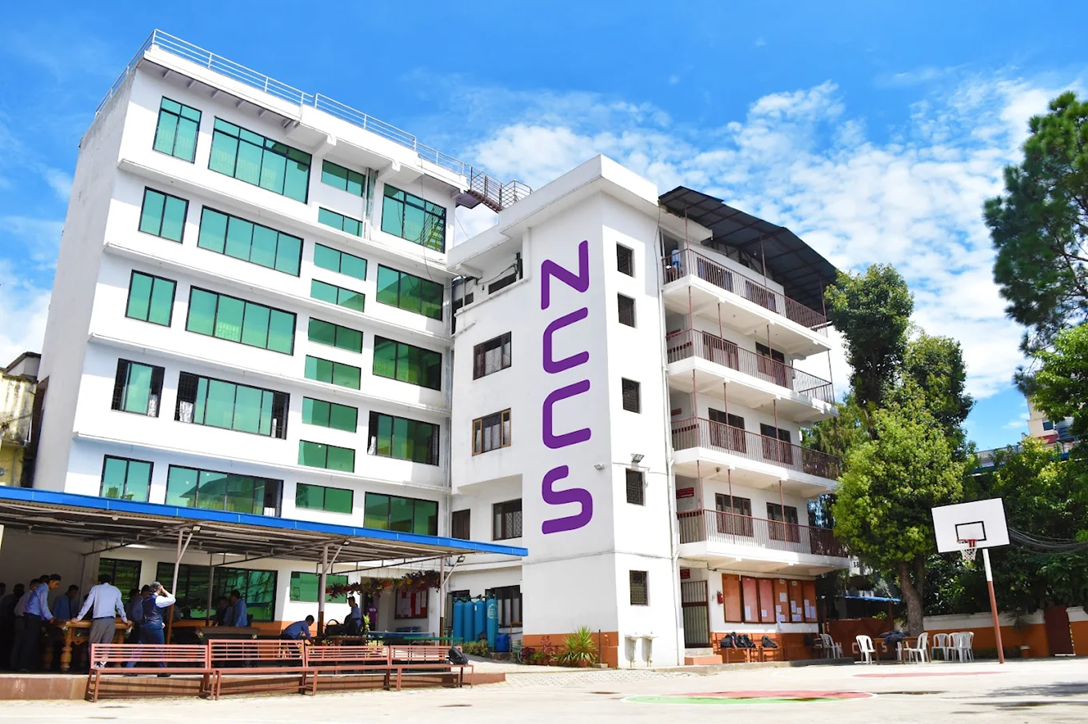
You study on the Paknajol campus in Kathmandu, Nepal. The campus setting supports lab practice, group assignments, seminars, and an internship that helps you relate classroom learning to workplace tasks.
University: Tribhuvan University (FOHSS)
Duration: 4 years, 8 semesters
Delivery: Theory, labs, assignments, project, and internship
Campus: NCCS, Paknajol, Kathmandu
Focus: Application development, databases, web/mobile, systems, networking, and reporting
NCCS follows TU’s BCA structure. Course titles vary by intake, while the study blocks below remain steady.
You start with programming logic and move to object-oriented development, data structures, and API use. Later semesters include scripting, software process topics, and team projects.
Classes cover relational modeling, SQL, transactions, indexing, and backups. Advanced work touches administration tasks, basic analytics, and reporting for small business scenarios.
Front-end and back-end topics appear alongside REST concepts and authentication. Mobile development introduces application life cycle, storage, and simple deployment to test devices.
Operating systems, shell basics, and process control prepare you for server tasks. Networking introduces addressing, routing basics, and services. Security sessions cover safe coding, access control, and data protection.
Mathematics for computing, technical writing, and presentations help you explain your work. Society and ethics topics guide responsible use of technology in Nepali contexts.
A capstone project asks you to plan features, manage tasks, maintain a repository, and present outcomes. An internship places you in an organization where you document daily tasks and collect supervisor feedback.
Build core programming and data skills for application development.
Help students understand how web, mobile, and databases support everyday work.
Strengthen documentation, teamwork, and presentation habits through project cycles.
Provide workplace exposure through an internship arranged under college guidance.
Graduates join software, web, and mobile teams in entry-level roles. Many work in database support, QA/testing, help-desk, and application support. Some continue to postgraduate study in computing or information systems, while others prepare for competitive exams that value IT literacy.
Students who complete BCA at NCCS typically can:
Write, test, and document programs using industry-standard tools.
Model data, write queries, and manage backups with care.
Build web pages, forms, and services that talk to databases.
Create a basic mobile app and publish a test build.
Use version control, track issues, and present release notes.
Follow security practices that reduce common risks.
Prepare reports that explain methods, results, and next steps.
Programming and Data Structures: Problem solving, object-oriented patterns, containers, recursion, and algorithm basics.
Databases and SQL: Schema planning, constraints, joins, stored routines, indexing, and maintenance.
Web and Mobile: Front-end frameworks, server endpoints, sessions, API calls, app life cycle, and store policies (intro level).
Systems and Networks: OS concepts, users and permissions, services, ports, and logs.
Security and Quality: Input validation, authentication, simple threat models, test cases, and coverage.
Professional Practice: Technical writing, presentation skills, project management basics, and workplace conduct.
Capstone and Internship: Repository setup, sprints, reviews, supervisor sign-offs, and final presentation.
Faculty use lectures for concepts and labs for practice. You complete short tasks each week, join code reviews, and submit reports that include screenshots and logs. Seminars and guest talks expose you to local workplaces. The library and NCCS online platform help you access references, past papers, and schedules. Group study and clubs support peer feedback before viva and demos.
Completion of 10+2 or equivalent from a board recognized by TU.
Fulfilment of TU FOHSS BCA criteria for the intake year.
Passing the BCA entrance examination conducted by FOHSS.
Submission of the application form, academic documents, photographs, and citizenship or passport copy within the deadline.
Seat confirmation based on merit and college notices.
Applicants should read the latest TU and campus notices for dates, forms, and any subject prerequisites.
Software and Web: Junior developer, web developer, QA/testing, and application support.
Mobile: Junior mobile developer and app maintenance support.
Data and Systems: Database support, basic system administration, and help-desk.
Public and Social Sector: IT support roles in schools, local units, and NGOs.
Entrepreneurship: Small web studios, e-commerce support, and service units after field experience.
Project and internship documents add weight to your portfolio during interviews.
Scholarship information appears each intake under TU and campus policy. Policies may include merit and need considerations, along with rules for renewal. You should track forms, deadlines, and document checklists in the current notice.
A semester plan that balances coding, data, web/mobile, systems, and security basics.
A campus setup that supports labs, code reviews, and project presentations.
An internship that helps you turn classroom tasks into workplace experience.
BCA at NCCS offers a steady path into application development and IT support through structured study blocks, regular lab work, and a capstone with internship. Careful planning, attendance, and consistent reporting help you build evidence of skill for entry-level roles in Nepal’s technology and service sectors.