The Bachelor of Computer System and Information Technology (BCSIT) at Rajdhani Model College (RMC), Old Baneshwor, Kathmandu, is a four-year undergraduate program affiliated with Pokhara University. Structured across eight semesters and 127 credit hours, the program combines computing and information technology with business and management study.
BCSIT was previously named Bachelor of Computer Information System (BCIS) at Pokhara University. Its curriculum covers programming, computer systems, databases, networking, software development, information security, cloud computing, management subjects, concentration courses, projects, and internship.
| Particular | Details |
|---|---|
| Course | Bachelor of Computer System and Information Technology (BCSIT) |
| College | Rajdhani Model College |
| Affiliation | Pokhara University |
| Level | Undergraduate |
| Duration | 4 years |
| Academic Structure | 8 semesters |
| Total Credits | 127 |
| Project Work | 8 credits |
| Internship | 5 credits |
| Concentration Courses | 12 credits |
| Medium | English |
| Location | Devkota Marga, Pipalbot, Old Baneshwor, Kathmandu |
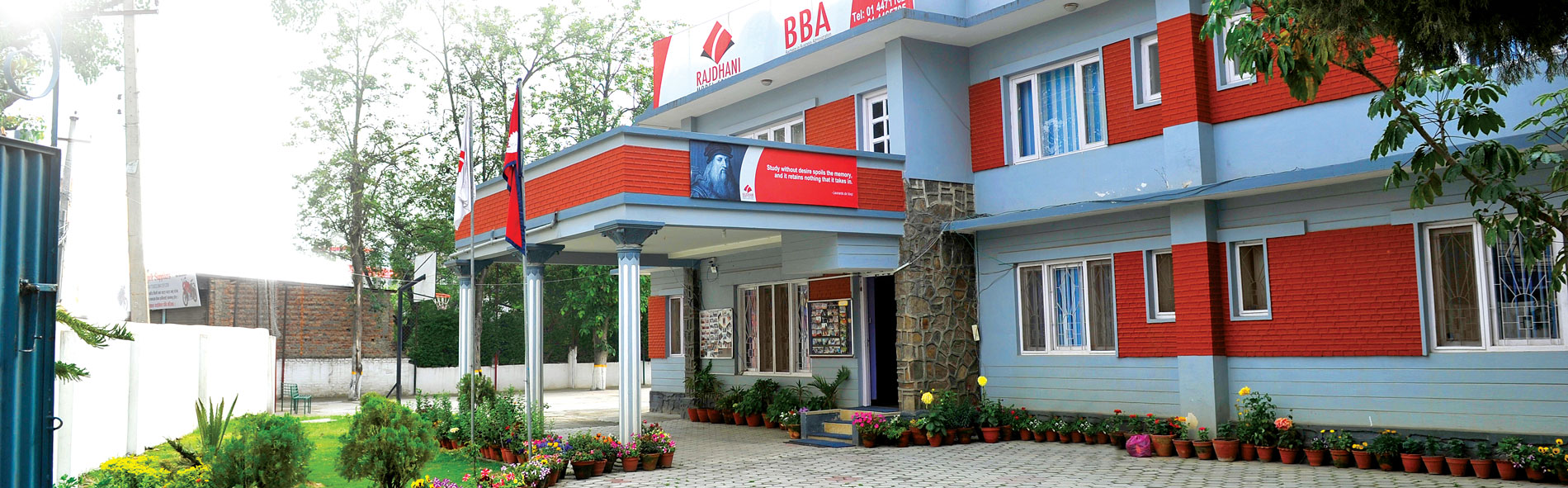
BCSIT is built around the relationship between computer technology, information systems, and organizational management. The program develops a foundation in computer hardware and software while moving into programming, databases, networks, information security, software engineering, cloud computing, and related areas.
Management study runs alongside the technical curriculum. Students take subjects in management, finance, marketing, organizational behavior, economics, human resources, strategy, entrepreneurship, and the legal aspects of business and technology.
The curriculum is divided into six main academic components:
| Component | Credits |
|---|---|
| Foundation Courses | 18 |
| Management Courses | 27 |
| Information Technology and Computing Courses | 57 |
| Concentration Courses | 12 |
| Project Work | 8 |
| Internship | 5 |
| Total | 127 |
The largest share of the program is devoted to information technology and computing, while 27 credits are assigned to management study. This structure distinguishes BCSIT from a management-only degree while retaining business subjects that relate technology to organizational work.
The first semesters establish the base in mathematics, communication, programming, internet technology, computer systems, and digital systems. The curriculum then moves into databases, software engineering, networking, operating systems, cloud computing, information security, and advanced projects.
| Semester | Credits | Main Academic Areas |
|---|---|---|
| I | 15 | English, Mathematics I, Internet Technology I, Computer Systems, Programming |
| II | 17 | Business Communication, Mathematics II, Digital Systems, Java, Data Structures, Project I |
| III | 15 | Probability, Database Management, Object-Oriented Analysis, Internet Programming, Management |
| IV | 17 | Computer Architecture, Numerical Methods, Software Engineering, Networks, Finance, Project II |
| V | 15 | Digital Marketing, Operating Systems, Organizational Behavior, Artificial Intelligence, Concentration I |
| VI | 15 | Computer Graphics, Research Methods, Cloud Computing, Applied Economics, Concentration II |
| VII | 19 | Strategic Management, Human Resources, Digital Economy, Information Security, Major Project, Concentration III |
| VIII | 14 | Legal Aspects of Business and Technology, Innovation and Entrepreneurship, Internship, Concentration IV |
Students complete four concentration courses carrying 12 credits. The concentration component gives them room to study a particular area in greater depth during the later semesters.
The curriculum groups concentration subjects into four areas:
Computing
Data Science
Networking and Cyber Security
Management Science and Systems
Computing options include subjects such as Python Programming, Advanced Java, Mobile Computing, Compiler Design and Construction, Software Project Management, and Open-source Technology.
Data Science includes areas such as Advanced Database, Data Analysis and Modeling, Data Warehousing and Data Mining, Database Administration, and Artificial Intelligence and Machine Learning.
Networking and Cyber Security includes Network Security, Wireless Communication, Routing and Switching, System Administration, Distributed Systems, and Ethical Hacking. Management Science and Systems brings together technology and organizational subjects such as MIS and e-business, E-governance, International Business, Knowledge Management, and managerial accounting.
Project work is distributed across the degree rather than being limited to the final semester.
Students complete:
Project I – 2 credits
Project II – 2 credits
Major Project – 4 credits
The two smaller projects are followed by an independent capstone project. Project work involves field activity, collection and analysis of information, and preparation of reports in the required academic format. It is intended to develop experience in data collection, processing, analysis, research, and formal reporting.
Regular classes may also include case studies, group discussions, project assignments, field visits, and individual or group presentations. These activities accompany lectures and give students repeated practice in communication and applied academic work.
The BCSIT curriculum includes a five-credit internship in Semester VIII.
Students undertake internship work approved by the college, with placement decisions taking their interests and intended concentration areas into account. The internship is designed to give students organizational exposure and an opportunity to apply academic concepts in a workplace setting. The broader program structure describes the internship period as six to eight weeks.
Applicants must have completed Intermediate or Higher Secondary level (10+2), Proficiency Certificate Level (PCL), or an equivalent qualification recognized by Pokhara University with second division or equivalent.
Candidates must also pass the entrance test conducted by the concerned college.
Applicants submit the required academic application and supporting records. The required documents include:
Completed and signed BCSIT application form
Official transcripts from previously attended academic institutions
Properly attested photocopies of academic certificates
Applications are reviewed before eligible candidates are called for the entrance test. The college may also use an interview during final selection.
BCSIT follows continuous internal evaluation together with semester-end examinations.
The general evaluation structure assigns:
50 marks to external evaluation
30 marks to internal theory evaluation
20 marks to practical, viva, or project evaluation
Internal work may include quizzes, tutorials, laboratory work, assignments, class tests, participation, term papers, and formal internal examinations. Semester-end examinations are conducted through the Office of the Controller of Examinations.
Students are required to pass internal and external evaluations independently. The program also requires a minimum of 80 percent attendance in classes actually held.
BCSIT students study within RMC's management and technology-focused academic setting in Old Baneshwor. The college uses projects, presentations, case work, seminars, workshops, field exposure, and guest sessions alongside classroom instruction.
The campus has computer and IT laboratory facilities, library resources, and Wi-Fi access. These resources are directly relevant to a program in which students work with programming, databases, networks, research, projects, and information systems.
The course may suit students interested in both computing and the way technology operates within organizations. Its curriculum does not separate technical study from management; students encounter programming and computer systems alongside finance, marketing, organizational behavior, strategy, human resources, economics, and entrepreneurship.
Graduates may consider work connected with software development, network administration, data analysis, information security, information systems, and technology-related organizational roles. Individual career outcomes depend on technical ability, academic performance, practical experience, specialization, and available opportunities. The program also provides an academic base for further study.
BCSIT stands for Bachelor of Computer System and Information Technology. At Pokhara University, the program was previously named Bachelor of Computer Information System (BCIS).
The BCSIT is a four-year undergraduate program divided into eight semesters.
Students must complete 127 credit hours, including foundation courses, management courses, computing courses, concentration subjects, projects, and internship.
Applicants need Intermediate or Higher Secondary level (10+2), PCL, or an equivalent qualification recognized by Pokhara University with second division or equivalent. They must also pass the entrance test conducted by the concerned college.
Yes. Semester VIII includes a five-credit internship. The program structure provides for six to eight weeks of organizational internship experience.
The program contains eight credits of project work: Project I carries two credits, Project II carries two credits, and the Major Project carries four credits.
The concentration areas are Computing, Data Science, Networking and Cyber Security, and Management Science and Systems. Students complete four concentration courses totaling 12 credits.
Students are required to maintain at least 80 percent attendance in classes actually held.