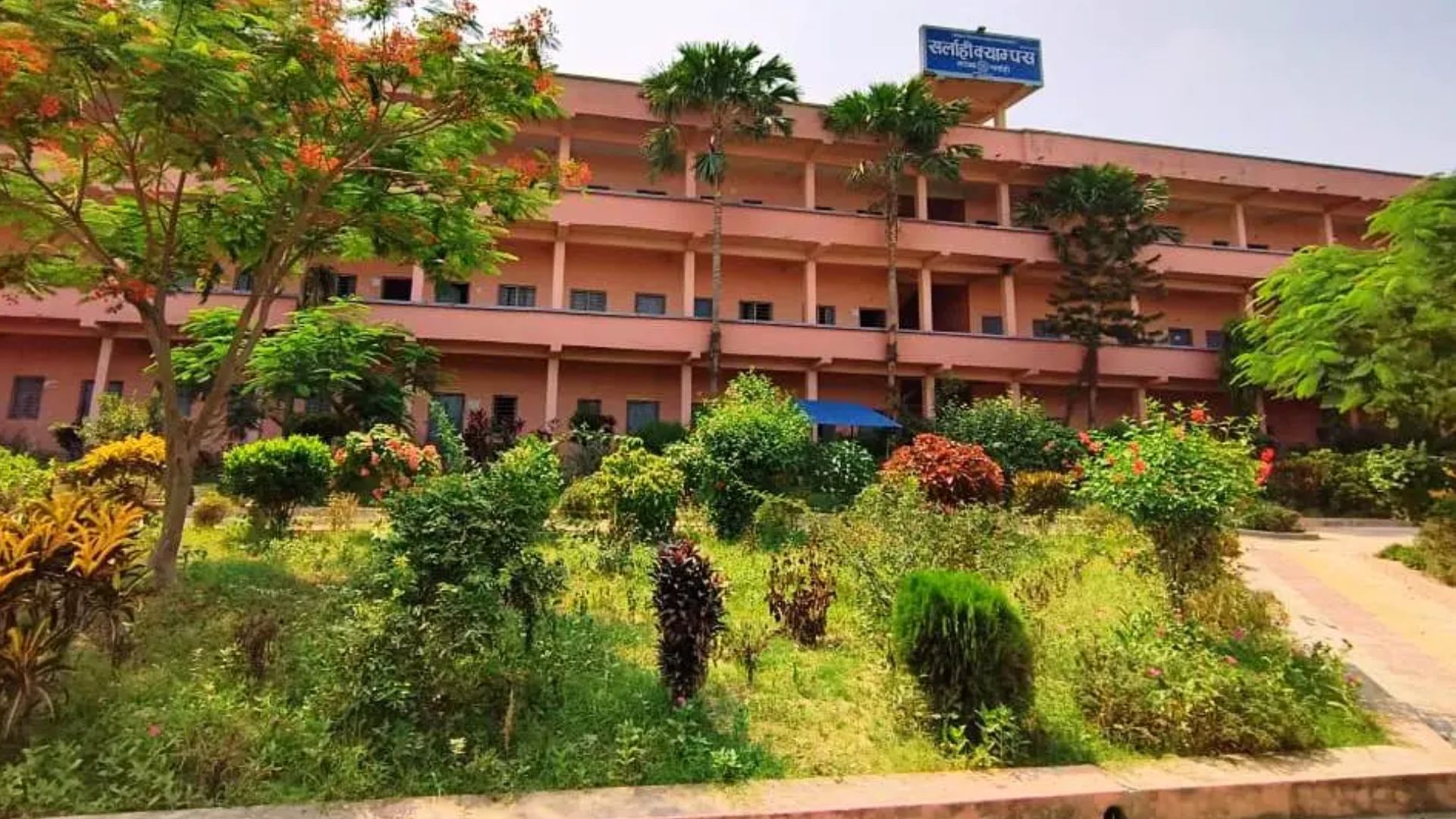
The Master of Education (M.Ed.) at Sarlahi Campus is a postgraduate program under Tribhuvan University’s Faculty of Education. Offered in Malangawa, Sarlahi, the program is part of a campus that already runs education from Ten Plus Two to master’s level. That gives the M.Ed. a clear institutional setting, especially for students who want to continue their study in education within the same campus environment.
At Sarlahi Campus, the M.Ed. was introduced in 2067 BS and follows TU’s semester system. The program combines core education courses, specialization study, teaching practice or practicum, and thesis writing. It is supported by the wider academic environment of the campus, including library and reading facilities, classroom teaching support, computer access, hostel facilities, and exam-related administration. For students in Sarlahi and nearby areas, it offers a structured route into advanced study in education.
Course: Master of Education (M.Ed.)
Campus: Sarlahi Campus
Location: Malangawa, Sarlahi, Madhesh Province, Nepal
Affiliation: Tribhuvan University (TU)
Faculty: Faculty of Education
Duration: 2 years
Study System: 4 semesters
Total Credits: 69 credit hours
Campus Introduction Year: 2067 BS
Campus-listed subject areas: English Education, Population Education, Nepali Education, and EPM Education
Main academic components: Core courses, specialization courses, teaching practice or practicum, and thesis writing
Relevant facilities: Library, reading room, classrooms, projectors, computer lab, hostel, conference hall, and playground
The M.Ed. at Sarlahi Campus follows TU’s four-semester structure. The course is designed to bring together advanced educational study, subject specialization, practical work, and academic research. Its overall framework gives students a balance between theory, classroom-linked practice, and thesis work.
Program structure: 2 years, 4 semesters
Total credits: 69 credit hours
Core course credits: 21
Specialization course credits: 39
Teaching practice or practicum credits: 3
Thesis writing credits: 6
Foundations of Education
Advanced Educational Psychology
Curriculum Practices
Education and Development
Research Methodology in Education
Measurement and Evaluation in Education
Contemporary Educational Issues
Students study one specialization area based on the course studied in Bachelor of Education. At Sarlahi Campus, the listed M.Ed. subject areas are:
English Education
Population Education
Nepali Education
EPM Education
Teaching Practice in the fourth semester
Practicum for Education Planning and Management
Thesis Writing in the fourth semester
This structure makes the course academically focused while also keeping practice and research at the center of the program.
To prepare qualified and competent teachers for upper high schools
To develop educational planners, administrators, managers, supervisors, and other educational experts
To strengthen advanced knowledge in education policy, pedagogy, and educational research
To support deeper study in a chosen specialization area
To connect theory, research, and practice in education
To promote sound academic and professional preparation in the field of education
The scope of the M.Ed. at Sarlahi Campus is tied closely to the campus’s academic identity in education. Since the institution offers +2 Education, B.Ed., and M.Ed., the program sits within a continuous education pathway rather than a separate postgraduate offering. That setting matters for students who want advanced study in education in a campus where education is already a central academic area.
The program also has a broad academic scope because it combines core education courses, specialization study, practical work, and thesis writing. Students move beyond general educational theory into more advanced study linked to their specialization area. At Sarlahi Campus, this takes place in an environment supported by library access, reading facilities, classroom teaching support, computer facilities, and a campus system that handles registration, examinations, and academic procedures.
Develop advanced understanding of education, pedagogy, and educational psychology
Build academic grounding in curriculum, educational development, research, and evaluation
Strengthen subject knowledge in a chosen specialization area
Apply theory and research to practice in education
Complete teaching practice or practicum as part of professional preparation
Develop research skills through proposal writing, thesis work, presentation, and viva
Prepare for academic and professional roles in teaching, planning, administration, and supervision
Foundations of Education
Advanced Educational Psychology
Curriculum Practices
Education and Development
Research Methodology in Education
Measurement and Evaluation in Education
Contemporary Educational Issues
Specialization-based coursework
Teaching Practice or Practicum
Research proposal writing
Thesis writing
Presentation and viva preparation
The M.Ed. at Sarlahi Campus is taught within a semester-based academic structure. The program combines regular classroom teaching with practical and research-oriented academic work. Its overall teaching pattern supports both specialization study and applied educational learning.
Lecture-based classroom teaching
Project work
Assignments
Seminars
Case studies
Field studies
Teaching Practice or Practicum
Thesis supervision
Library and reading room support
Classroom use of projectors and teaching materials
This approach gives the program a steady academic rhythm across all four semesters and keeps research and practice closely linked to coursework.
Teaching at upper high school level
Educational planning
Educational administration
Educational management
Academic supervision
Education-related professional roles
Further academic and research-based study in education
Sarlahi Campus includes scholarship support as part of its student support system.
Scholarships for underprivileged students
Scholarships for disabled students
Scholarships for marginalized students
Scholarships for poor students
Scholarships for intelligent or meritorious students
Study within an affordable fee structure
TU-affiliated postgraduate program under the Faculty of Education
Semester-based structure with core, specialization, practical, and thesis components
Education-focused campus environment from +2 to master’s level
Campus-listed specialization areas in English Education, Population Education, Nepali Education, and EPM Education
Library, reading room, computer lab, and classroom teaching support
Hostel and other student-support facilities
Scholarship support for selected student groups
Campus role as a TU exam center
Study opportunity within a community-owned higher educational institution in Sarlahi
Admission notice is published by the campus or the concerned academic authority
Applicants submit the prescribed application form with personal and academic details
Entry is open to students with B.Ed. or Post-Graduate Diploma in Education from TU or a recognized university
Subject-specific eligibility applies according to the chosen specialization area
Selection is based on marks obtained in the entrance examination
The entrance examination is based on educational aptitude and knowledge related to the specialization subject area
Selected students complete admission through document submission and fee payment under TU rules
Bachelor’s transcript or marksheet
Bachelor’s degree certificate or provisional certificate
Character certificate from the bachelor-level institution
Migration certificate, where applicable
Transfer certificate from the previous campus or college
Citizenship certificate or birth certificate copy
Passport-size photographs
Completed admission or application form
Admission fee payment receipt
Entrance examination scorecard
SLC, +2, and bachelor leaving certificate photocopies for campus registration procedures
SLC, +2, and bachelor character certificate photocopies for campus registration procedures
Original migration certificate for registration
The M.Ed. at Sarlahi Campus follows TU’s semester system. Student performance during semester teaching and learning activities carries 40 percent of the total evaluation mark of each subject. At the end of each semester, students appear in the semester-end examination conducted by the Office of the Dean.
Teaching Practice or Practicum and Thesis are practical components of the program. Their final examinations are also conducted by the Dean’s Office of the Faculty of Education. Teaching Practice for most subject areas is completed toward the end of the fourth semester, while students in EPM carry out a Practicum.
Thesis writing is placed in the fourth semester and includes proposal preparation, supervised research work, presentation, and viva. At campus level, examination form fill-up follows a standard process with the required form, marksheet or admit card, fee clearance bill, and photographs. For teaching practice and practical work, students submit an application form with campus clearance, a selected school recommendation, and a photocopy of the admit card.
The M.Ed. at Sarlahi Campus is a TU-affiliated postgraduate education program built around advanced coursework, specialization study, practical work, and thesis writing. It is part of a campus where education already has a strong academic presence from +2 level upward, which gives the course a consistent institutional setting.
For students in Malangawa and the wider Sarlahi area, the program offers a local route into master’s-level study in education. With semester-based learning, subject specialization, teaching practice or practicum, research work, and campus academic support, the M.Ed. at Sarlahi Campus remains a structured option for students who want to continue their study in education at postgraduate level.
The M.Ed. at Sarlahi Campus is a 2-year program completed in 4 semesters.
Yes. The program is affiliated with Tribhuvan University under the Faculty of Education.
The campus-listed subject areas are English Education, Population Education, Nepali Education, and EPM Education.
The M.Ed. program carries 69 credit hours.
Students with B.Ed. or Post-Graduate Diploma in Education from TU or a recognized university are eligible to apply. Subject-specific eligibility also applies according to the chosen specialization area.
Yes. Selection is based on marks obtained in the entrance examination, which is based on educational aptitude and specialization-related knowledge.
Yes. The program includes Teaching Practice in the fourth semester, while students in EPM complete a Practicum.
Yes. Thesis writing is a part of the fourth semester and includes proposal preparation, supervised research work, presentation, and viva.
Semester-end examinations are conducted by the Office of the Dean. Teaching Practice or Practicum and Thesis are also examined under the Dean’s Office of the Faculty of Education.
M.Ed. students study in a campus environment that includes a library, reading room, classrooms, projectors, computer lab, hostel, conference hall, and playground.