Sarlahi Campus offers the Bachelor of Education (B.Ed.) under Tribhuvan University’s Faculty of Education. At this campus in Malangawa, Sarlahi, the program sits within a wider academic setting that already supports study from Ten Plus Two to master’s level. That makes the B.Ed. part of a longer education pathway rather than a stand-alone course.
The program follows TU’s four-year annual system and is designed as both an academic and professional course in education. Its structure brings together communication skills, professional core courses, specialization study, and teaching practicum. At Sarlahi Campus, the B.Ed. program also benefits from the wider college environment, including library and reading support, classroom teaching with projectors, computer facilities, hostel access, and a campus culture shaped by education-focused study.
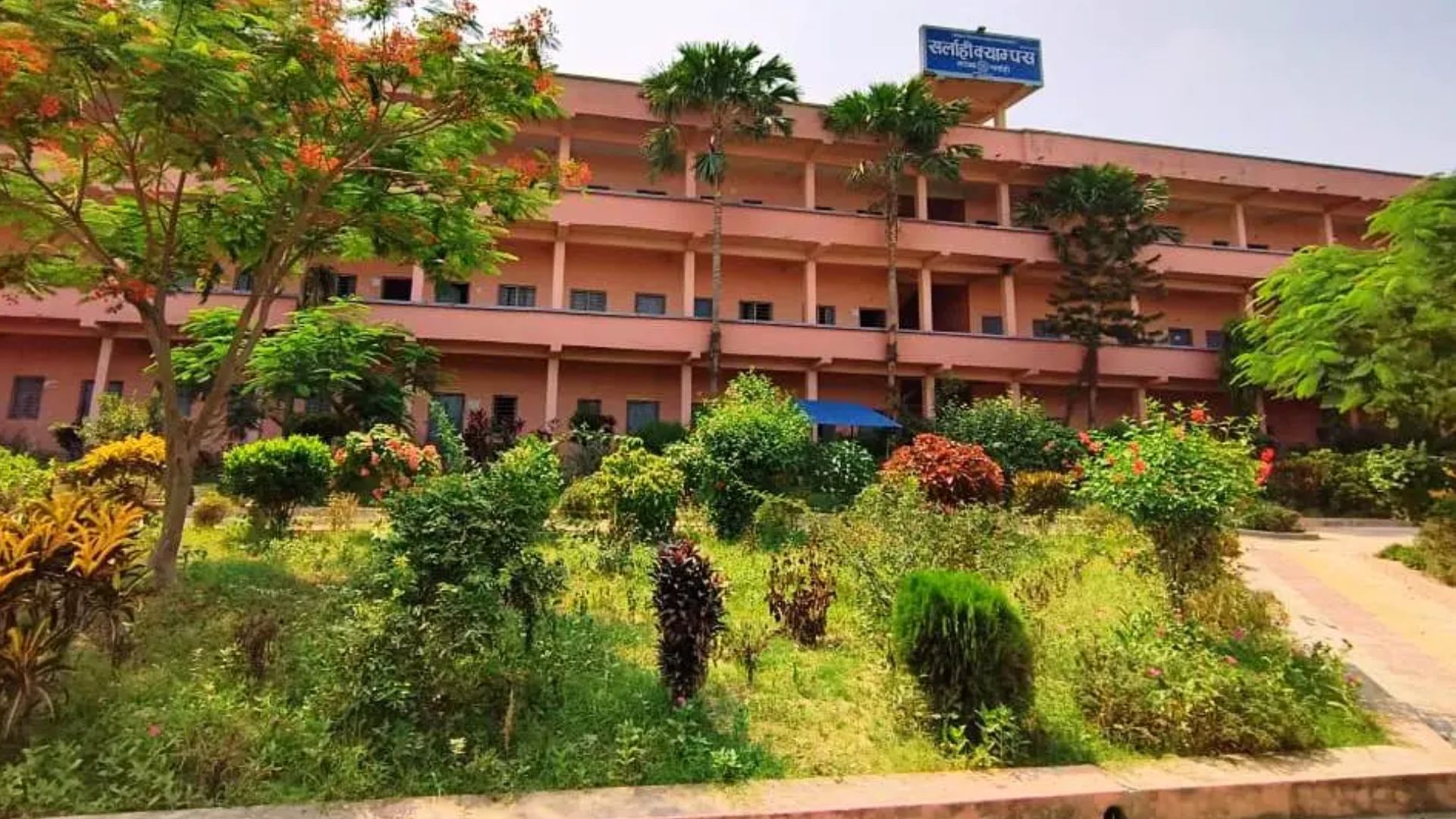
Course: Bachelor of Education (B.Ed.)
Campus: Sarlahi Campus
Location: Malangawa, Sarlahi, Madhesh Province, Nepal
Affiliation: Tribhuvan University (TU)
Faculty: Faculty of Education
Duration: 4 years
Examination System: Annual system
Campus Introduction Year: 2057 BS
Program Nature: Professional and academic program
Core Academic Structure: Communication skills, professional core courses, specialization major, specialization minor, and teaching practicum
Campus Context: The campus also offers +2 Education and M.Ed., creating continuity in education study
Relevant Facilities: Library, reading room, classrooms, projectors, computer lab, conference hall, hostel, and playground
The B.Ed. at Sarlahi Campus follows TU’s four-year annual curriculum. The course is built around subject knowledge, educational foundations, and classroom practice. TU’s structure for the four-year B.Ed. divides the program into clearly defined course groups, which helps students move from general academic preparation to professional training and specialization.
Program Structure: Four-year annual system
Total Course Groups: Communication Skills, Professional Core Courses, Specialization Major, Specialization Minor, and Teaching Practice/Practicum
Communication Skills: General Nepali and General English
Professional Core Courses: Philosophical and Sociological Foundations of Education, Educational Psychology, Curriculum and Evaluation, and one elective from instructional technology or ICT-related options
Specialization Major: One major subject area selected under the B.Ed. structure
Specialization Minor: One minor subject area different from the major
Teaching Component: Teaching Internship/Practicum
Campus-listed Subject Areas: English, Nepali, Mathematics, Population, Health, Economics, History, and Political Science
The structure gives the program both breadth and focus. Students begin with communication and professional core areas, continue into major and minor subject specialization, and complete the course with practical teaching work.
To prepare competent teachers who can teach two subjects at the secondary level
To combine academic study with professional preparation in education
To build a foundation in communication skills and core educational studies
To provide specialization in major and minor subject areas
To include teaching practice as an essential part of the degree
The scope of the B.Ed. at Sarlahi Campus is closely tied to the campus’s academic environment. Since the institution runs education programs from +2 to master’s level, the B.Ed. fits into a broader education-focused setting. Students study in a campus where education is already part of the institutional identity, not just one department among many.
The program also has scope for students who want a structured route into the teaching field. Its annual TU framework, subject specialization, and practicum component make it relevant for students looking for formal undergraduate study in education. At Sarlahi Campus, that experience is supported by a library, reading room, computer lab, classroom teaching support, and a campus setting that also handles TU examination processes.
For students who want to continue their study in education after graduation, the presence of M.Ed. at the same campus adds academic continuity. This makes the B.Ed. part of a longer study path within one institution.
Develop preparation for teaching two subjects at the secondary level
Build grounding in educational foundations and educational psychology
Study curriculum and evaluation as part of teacher preparation
Strengthen academic communication through General Nepali and General English
Gain deeper knowledge in selected major and minor subject areas
Complete teaching practice as part of applied professional preparation
General Nepali
General English
Philosophical and Sociological Foundations of Education
Educational Psychology
Curriculum and Evaluation
Instructional Technology or ICT-related elective options
Specialization Major courses
Specialization Minor courses
Teaching Internship/Practicum
These modules show that the course is not limited to theory alone. It combines foundational study, subject specialization, and classroom-linked practice.
At Sarlahi Campus, the B.Ed. program is taught within a student-focused academic environment supported by faculty, departments, and regular campus administration. The course structure itself already points to a teaching approach that moves between classroom learning and professional practice.
Classroom teaching in an annual academic structure
Use of projectors and teaching support materials in classes
Professional core study in education
Subject-based specialization in major and minor areas
Workshops and seminars as part of the wider academic environment
Teaching practice/practicum as a required part of the program
Academic support through library and reading facilities
The teaching approach gives the B.Ed. a practical academic character. Students are not only introduced to educational theory but also move toward teaching-related work through practicum and subject specialization.
Secondary-level teaching in relevant subject areas
Further study in education, including M.Ed.
Education-related roles connected to teaching and academic support
The course is primarily designed for students who want formal undergraduate preparation in education and teaching.
Sarlahi Campus includes scholarship support as part of its student support framework.
Scholarships for underprivileged students
Scholarships for disabled students
Scholarships for marginalized students
Scholarships for poor students
Scholarships for intelligent or meritorious students
Study within an affordable fee structure
TU-affiliated B.Ed. under the Faculty of Education
Four-year annual program with a structured curriculum
Education-focused campus environment from +2 to master’s level
Continuity for students who want to move from B.Ed. to M.Ed.
Subject specialization with both major and minor study areas
Teaching practicum as part of the degree
Library, reading room, computer lab, and classroom teaching support
Hostel and other student support facilities
Scholarship support for selected student groups
Campus role as a TU exam center
Admission begins after the publication of the admission notice
Eligible applicants submit the prescribed application form
Applicants submit academic records and required supporting documents
Admission may include an entrance examination, merit-based selection, or both, depending on the applicable process
Selected students complete admission through document submission and fee payment
Registration, examinations, and results follow TU rules and the academic calendar
Class 12 / +2 transcript or equivalent academic record
Character certificate from the previous institution
Migration certificate, where applicable
Transfer certificate
Citizenship certificate or birth certificate copy
Passport-size photographs
Completed admission or application form
Admission fee payment receipt
Entrance scorecard, where required
Equivalence certificate, where applicable
The B.Ed. at Sarlahi Campus follows TU’s annual examination system. Final examinations under the annual system are conducted by Tribhuvan University through the Office of the Controller of Examinations. The course curriculum, examinations, and results follow TU rules, guidelines, and the applicable academic calendar.
At campus level, examination form fill-up for B.Ed. follows a standard process. Students complete the examination form through the campus, and the required materials include the form, marksheet or admit card, fee clearance bill, and passport-size photographs. Since the B.Ed. includes teaching practice and practical work, the campus also uses a separate procedure for that component, including an application form with campus clearance, selected school recommendation, and a photocopy of the admit card.
The B.Ed. at Sarlahi Campus is a TU-affiliated four-year annual program shaped by teacher preparation, subject specialization, and practical training. It is part of a campus that already has a clear academic presence in education, from +2 level to M.Ed., which gives the course a stronger institutional context.
For students looking for undergraduate study in education in Malangawa and the wider Sarlahi area, the program offers a formal academic route built around educational foundations, communication skills, specialization study, and teaching practicum. With library support, classroom teaching resources, scholarship access, and a campus environment linked to education study, the B.Ed. at Sarlahi Campus remains a steady option for students who want to build their academic path in the field of education.
The B.Ed. at Sarlahi Campus is a four-year program.
Yes. The program is affiliated with Tribhuvan University under the Faculty of Education.
The B.Ed. follows the annual examination system.
The curriculum includes communication skills, professional core courses, specialization major courses, specialization minor courses, and teaching practice or practicum.
The campus-listed subject areas include English, Nepali, Mathematics, Population, Health, Economics, History, and Political Science.
Yes. Teaching practice or practicum is a required part of the program.
B.Ed. students study in a campus environment that includes a library, reading room, classrooms, projectors, computer lab, conference hall, hostel, and playground.
The campus provides scholarship support for underprivileged, disabled, marginalized, poor, and meritorious students.
Final examinations for the annual B.Ed. program are conducted by Tribhuvan University through the Office of the Controller of Examinations.