The Bachelor of Science in Nursing (BSc Nursing) at Scheer Memorial Nursing College is a four-year undergraduate nursing program affiliated with Kathmandu University (KU). The college is located within the Scheer Memorial Adventist Hospital complex in Banepa, Kavrepalanchok, providing an academic setting connected directly with hospital-based nursing practice.
The program covers nursing care across preventive, promotive, curative, and rehabilitative areas and prepares graduates for responsibilities involving individual, family, group, and community health. Admission is conducted through MECEE-BL under the Medical Education Commission framework. Curriculum, academic examinations, progression, and degree award follow Kathmandu University rules and regulations.
| Particular | Details |
|---|---|
| Course | Bachelor of Science in Nursing (BSc Nursing) |
| College | Scheer Memorial Nursing College |
| Affiliation | Kathmandu University |
| Level | Bachelor |
| Duration | 4 Years |
| Seats | 50, subject to MEC determination |
| Entrance Examination | MECEE-BL |
| Admission Authority | Medical Education Commission |
| Professional Council | Nepal Nursing Council |
| Location | Banepa, Kavrepalanchok, Nepal |
Students can also view the dedicated BSc Nursing course at Scheer Memorial Hospital College of Nursing page for institution-specific course information.
BSc Nursing is structured to prepare Bachelor of Science nursing graduates to work independently or collaboratively with multidisciplinary health teams.
The program addresses nursing care for:
Individuals
Families
Groups
Communities
Its academic and clinical scope includes preventive, promotive, curative, and rehabilitative aspects of health. Nursing practice is combined with study in community health, maternal and child health, medical-surgical nursing, mental health, education, research, leadership, and management.
Graduates are prepared for nursing responsibilities in healthcare institutions as well as roles connected with nursing education, research, supervision, and administration.
The BSc Nursing program aims to prepare competent nursing graduates who can provide care independently or in cooperation with members of multidisciplinary health teams.
The program develops nursing knowledge and practice related to:
Preventive health care
Promotive health care
Curative nursing care
Rehabilitative nursing care
Community-based nursing
Nursing education
Nursing administration
Research
Its academic approach also incorporates nursing care for individuals, families, groups, and communities across different healthcare settings.
After completing the BSc Nursing program, graduates are expected to be able to:
Work competently and collaboratively as members of healthcare teams in different health organizations.
Communicate effectively with clients, colleagues, and members of the health team.
Provide nursing care to individuals, families, and communities in different healthcare settings.
Guide and supervise staff, students, and other members of the health team in the working environment.
Apply scientific principles, nursing knowledge, and practical skills when planning nursing care.
Identify the learning needs of staff, students, clients, families, and communities.
Apply appropriate teaching skills in formal and informal settings.
Participate in and conduct research activities related to nursing practice and professional development.
The BSc Nursing program runs for four years.
Academic matters are governed by Kathmandu University, including:
Curriculum
Academic progression
Internal academic requirements
University examinations
Completion requirements
Degree award
Scheer Memorial Nursing College conducts the program under its affiliation with Kathmandu University.
The BSc Nursing program is presented with an intake of 50 seats.
Seat numbers are determined under the applicable Medical Education Commission framework and may change between admission cycles. Admission categories and seat allocation follow prevailing MEC rules.
The Medical Education Commission (MEC) regulates the national admission framework for undergraduate medical education, including BSc Nursing.
Candidates can qualify for admission through the prescribed academic pathways.
Applicants must have studied:
Physics
Chemistry
Biology
They must have passed from a recognized educational institution with at least:
50 percent marks, or
2.4 CGPA
Candidates from A-Level or comparable academic systems with different grading structures must have studied Physics, Chemistry, and Biology.
They must have achieved at least:
50 percent marks, or
An equivalent 2.4 CGPA standard
Candidates holding a Proficiency Certificate or Diploma in any of the specified health science areas may also qualify:
General Medicine
Medical Lab Technology
Ophthalmic Science
Dental Science
Pharmacy
Radiography
Ayurveda
Physiotherapy
Such candidates must have at least 50 percent aggregate marks, satisfy the applicable Physics, Chemistry, and Biology requirements, obtain Grade 12 Science equivalence, and hold registration with the respective professional council where required.
Admission to BSc Nursing is based on MECEE-BL.
Candidates must participate in the integrated admission process administered under the Medical Education Commission framework and obtain at least the prescribed 50 percentile.
The stated entrance marking arrangement provides:
One mark for each correct answer.
A deduction of 0.25 marks for each incorrect answer.
Admission follows applicable MEC rules concerning merit, seat allocation, scholarships, fee structure, admission procedures, and other requirements.
Candidates who meet the required academic eligibility and qualify through MECEE-BL proceed through the applicable centralized admission process.
The admission framework covers:
Entrance qualification
Merit ranking
Seat allocation
Scholarship categories
Paying categories
Foreign student provisions
Institutional enrollment
Candidates selected for admission are required to complete document verification and enrollment at the concerned institution.
Selected candidates are required to submit the specified original documents and photocopies during admission.
Required documents include:
Academic qualification certificates
Transcript of 10+2 and SLC/SEE or equivalent
Character certificate
Citizenship certificate or passport copy
MECEE-BL entrance examination admit card
Reservation-related documents, where applicable
Equivalence certificate for qualifications obtained from foreign institutions
Foreign candidates seeking admission under designated foreign student seats must follow the applicable admission provisions.
The curriculum progresses from foundational health sciences and basic nursing to community, maternal, child, medical-surgical, mental health, research, and leadership subjects.
| Year | Major Study Areas |
|---|---|
| First Year | Integrated Health Science, Community Health Nursing, Fundamental of Nursing, Nutrition, Applied Computer Technology |
| Second Year | Prenatal Care, Natal Care, Post Natal Care, Community Health Nursing II, Child Health Nursing, Professional Trends and Issues, Behavioral Science |
| Third Year | Medical/Surgical Nursing I, Medical/Surgical Nursing II, Educational Science, Mental Health, Nursing Concept and Theories |
| Fourth Year | Leadership Management, Research and Statistics, Health Economics, Specialty Course |
The program combines theoretical study with nursing practice and clinical learning.
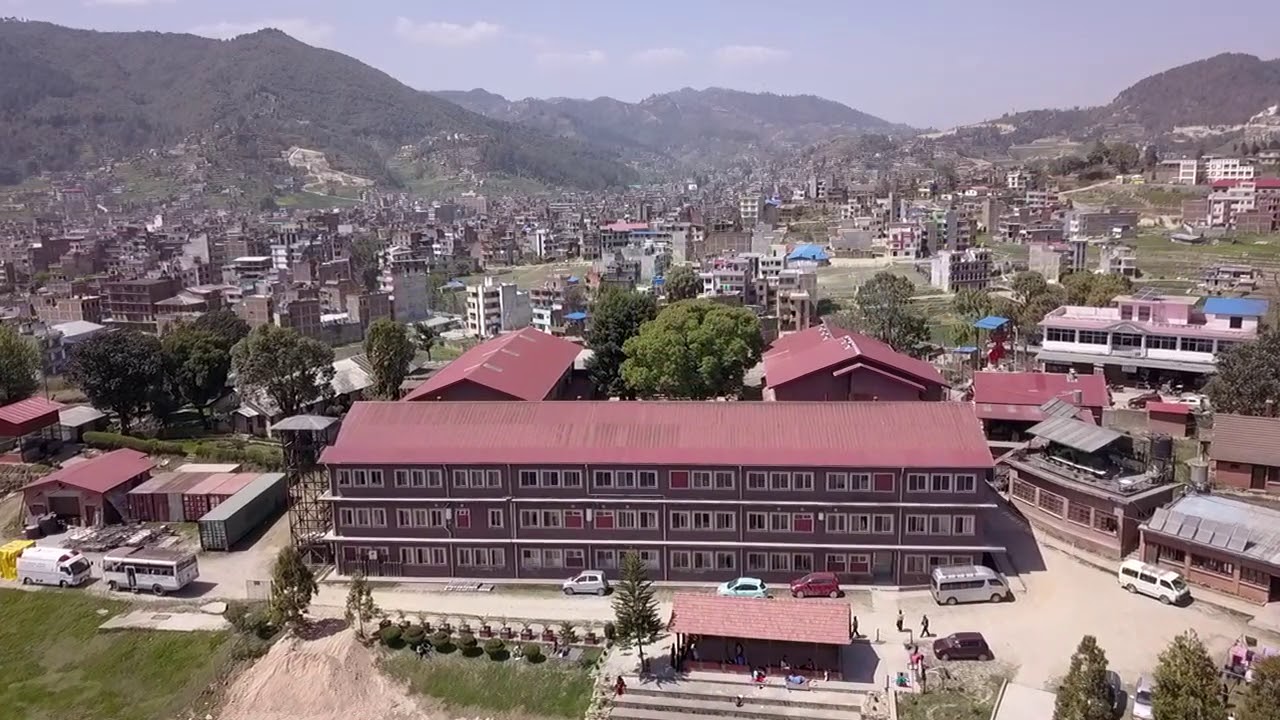
Scheer Memorial Nursing College is located within the Scheer Memorial Adventist Hospital complex. This setting allows nursing education to remain closely connected with hospital-based practical learning.
Clinical exposure is supported through healthcare departments that include:
Medicine
Surgery
Cardiology
Pathology
Obstetrics and Gynecology
Pediatrics
Operation Theatre
Emergency
Outpatient services
ENT
Dermatology
Hospital support services also include laboratory facilities, ultrasound, X-ray, and physical therapy.
Academic facilities associated with nursing education include classrooms, a basic science laboratory, nutrition laboratory, audiovisual laboratory, computer laboratory, library, nursing demonstration rooms, conference halls, canteen, hostel, and administrative spaces.
More information about the institution is available on the Scheer Memorial Hospital College of Nursing page.
BSc Nursing scholarship allocation follows the applicable provisions of the National Medical Education Act, 2018 and National Medical Education Regulations, 2020.
Under the stated distribution framework:
55 percent of government scholarship seats are allocated through open competition.
45 percent are allocated through reserved categories.
| Reserved Category | Share |
|---|---|
| Female | 33% |
| Dalit | 9% |
| Aadibasi Janajati | 15% |
| Khas Aryan | 17% |
| Madhesi | 12% |
| Tharu | 4% |
| Muslim | 2% |
| Backward Community | 4% |
| Disabled | 2% |
| Martyr, disappeared, injured warrior and conflict-affected families | 2% |
Scholarship allocation, seat distribution, fees, and admission procedures remain governed by the applicable MEC framework.
Academic assessment and university examinations are conducted under Kathmandu University regulations.
Students must complete the prescribed academic, practical, clinical, and examination requirements of the program before receiving the BSc Nursing degree.
The degree is awarded under Kathmandu University following successful completion of the program requirements.
Completion of the BSc Nursing degree is followed by the professional licensing requirements applicable to nursing practice.
Graduates seeking to enter the nursing profession must meet the requirements of the Nepal Nursing Council, including the applicable professional licensing examination.
Passing the university program and fulfilling professional licensing requirements are separate stages in entering nursing practice.
The BSc Nursing program has a duration of four years.
The program is affiliated with Kathmandu University.
The program is presented with 50 seats. The final annual seat number remains subject to Medical Education Commission determination.
Candidates must participate in MECEE-BL under the Medical Education Commission admission framework.
Candidates must have studied Physics, Chemistry, and Biology and passed with at least 50 percent marks or a 2.4 CGPA.
Yes. The program includes nursing practice and clinical learning, with Scheer Memorial Nursing College located within the Scheer Memorial Adventist Hospital complex.
The degree is awarded under Kathmandu University after students successfully complete the prescribed program requirements.
Graduates intending to enter professional nursing practice must meet the applicable licensing requirements of the Nepal Nursing Council.