



Certificate in Medical Laboratory Technology (CMLT) at Tsho Rolpa General Hospital, Dolakha is a three-year CTEVT-affiliated medical laboratory program under the yearly system. The program prepares middle-level skilled laboratory personnel for diagnostic, curative, preventive, and promotive laboratory services.
The course focuses on clinical sample collection, specimen processing, laboratory investigation, result interpretation, reagent preparation, laboratory quality control, instrument handling, clinical laboratory management, and supervised practice in hospitals and medical laboratories.
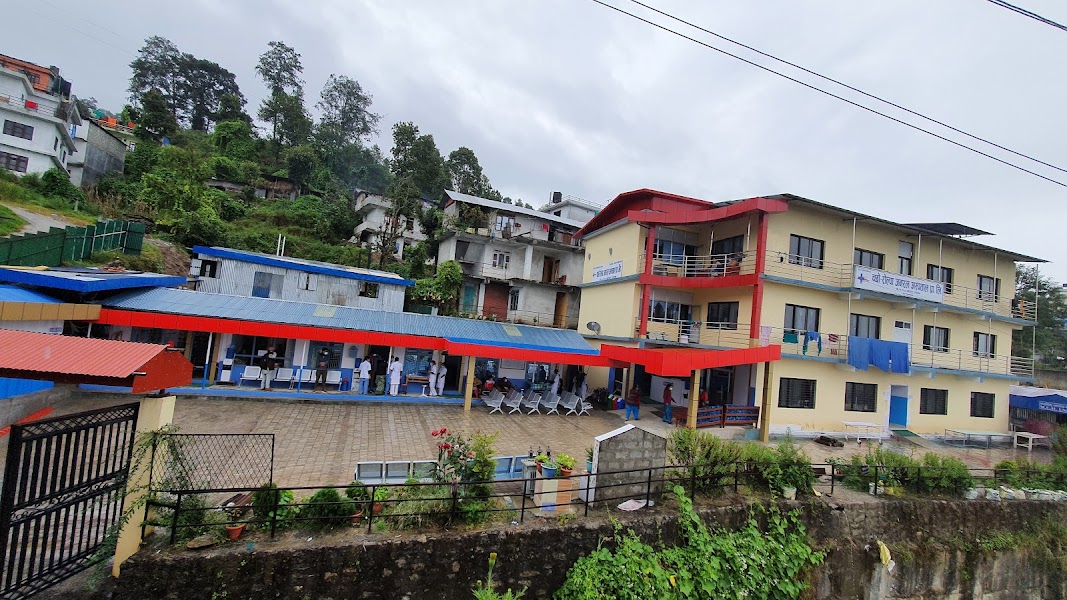
Course Name: Certificate in Medical Laboratory Technology (CMLT)
Institution: Tsho Rolpa General Hospital Dolakha
Affiliation: Council for Technical Education and Vocational Training (CTEVT)
Level: Certificate / Diploma Level
Duration: Three years
Academic System: Yearly system
Group Size: Maximum 30 students per batch
Location: Dolakha
Related Council: Nepal Health Professional Council (NHPC)
The program aims to produce middle-level technical personnel with sound academic knowledge and technical skills in medical laboratory technology. It prepares students to perform laboratory work required in real clinical and diagnostic settings.
After completing the program, students are expected to develop the ability to perform routine and special laboratory investigations on clinical and non-clinical samples, interpret laboratory results, explain the principles behind investigations, prepare reagents, set up clinical laboratory services in primary health center settings, establish quality control systems, perform laboratory management, supervise subordinates, prepare reports, and conduct laboratory-related research.
Eligibility: SLC, SEE, or equivalent pass with minimum GPA 2.0 and graded in Compulsory Mathematics, English, and Science; or TSLC in Medical Laboratory Technology with minimum 68.33%.
Applicants must meet the academic entry criteria and pass the entrance examination administered by CTEVT. Admission follows the CTEVT selection process for the Certificate in Medical Laboratory Technology program.
Duration: Three academic years
System: Yearly system
Academic Year: Up to 35 weeks
Weekly Study Load: Up to 40 hours, excluding evaluation period
Attendance Requirement: Minimum 90% attendance in each subject to appear in the respective final examination
Medium of Instruction: English and/or Nepali
The first year focuses on basic science and foundational health science subjects. The second year covers theory and practical components of core medical laboratory subjects. The third year develops applied laboratory skills through advanced subjects and comprehensive practical learning in hospitals and medical laboratories.
The first year follows the common Certificate/Diploma Level in Health Sciences curriculum.
Clinical Microbiology and Immunology
Hematology and Blood Banking
Clinical Biochemistry
Medical Parasitology
Clinical Pathology
Public Health and First Aid
Histopathology and Cytopathology
Instrumentation and Automation
Clinical Laboratory Management
Clinical Practicum I: Microbiology and Parasitology
Clinical Practicum II: Hematology and Blood Banking
Clinical Practicum III: Biochemistry, Histopathology, and Cytopathology
The CMLT program includes laboratory-based practical work, clinical specimen handling, diagnostic procedures, and clinical practicum. Students learn to collect, process, test, record, and report laboratory findings using standard laboratory procedures.
The third year includes three clinical practicum components:
Clinical Practicum I: Microbiology and Parasitology
Clinical Practicum II: Hematology and Blood Banking
Clinical Practicum III: Biochemistry, Histopathology, and Cytopathology
Each clinical practicum is structured for hospital and laboratory-based learning, with internal and final evaluation components.
Students study bacteriology, mycology, virology, immunology, hospital-acquired infection, and microbiology quality control. Practical learning includes microscope handling, sterilization, staining, culture media preparation, clinical sample processing, antimicrobial susceptibility testing, biochemical tests, serological tests, and safe disposal of contaminated materials.
This area covers blood sample collection, hematological equipment handling, blood smear preparation, blood cell identification, differential leukocyte count, WBC count, RBC count, platelet count, hemoglobin estimation, ESR, PCV, reticulocyte count, coagulation tests, automated hematology analyzer use, blood grouping, Rh typing, cross matching, and Coomb’s test.
Clinical Biochemistry develops laboratory skills for biochemical testing, serum and plasma separation, blood glucose estimation, blood urea estimation, serum creatinine testing, uric acid estimation, total protein, albumin, bilirubin, lipid profile, liver enzymes, alkaline phosphatase, amylase, calcium, inorganic phosphorus, electrolyte estimation, and demonstration of selected advanced biochemical tests.
Medical Parasitology focuses on medically important parasites, common parasites found in Nepal, parasitic disease diagnosis, host-parasite relationships, protozoa, helminths, body-fluid analysis, specimen collection, reagent preparation, stool examination, blood examination, urine and sputum examination, and concentration techniques for detecting parasites.
Clinical Pathology develops laboratory skills related to routine pathological investigation, body-fluid examination, urine analysis, specimen handling, microscopic examination, reporting, and diagnostic support procedures.
Students study public health, sanitation, environmental health, communicable disease prevention, hospital waste management, health education, first aid, emergency response, CPR, medical emergencies, burns, fractures, hemorrhage, poisoning, acute mountain sickness, rabid animal bite, and snake and insect bite response.
This area covers histopathological and cytopathological techniques performed on biopsy, autopsy, exfoliated, and aspirated materials. Students learn specimen reception, fixation, storage, tissue processing, tissue blocking, microtomy, staining, cytological smear preparation, FNAC smear staining, section mounting, and laboratory safety.
Instrumentation and Automation focuses on clinical laboratory instruments, their principles, operation, applications, maintenance, and precautions. Students study microscopes, centrifuges, micropipettes, colorimeters, spectrophotometers, flame photometers, pH meters, ion selective electrodes, analytical balances, biosafety cabinets, autoclaves, chromatographic systems, electrophoresis, PCR, flow cytometry, HPLC, ELISA, automated analyzers, blood cell analyzers, and blood gas analyzers.
Clinical Laboratory Management covers laboratory organization, laboratory sections, workflow, personnel management, SOPs, inventory management, record keeping, computerized reporting, logistics, laboratory hazards, laboratory safety, total quality management, quality assurance, quality control, biosafety, biosecurity, waste management, medical ethics, confidentiality, consent, accreditation concepts, and the professional code of conduct.
The program includes internal assessment, final written examination, practical examination, and clinical practicum evaluation.
Theory Pass Mark: Minimum 40%
Practical Pass Mark: Minimum 50%
Internal Assessment: Minimum pass mark required
Final Examination: Minimum pass mark required in each subject
Final practical evaluation includes institutional practicum attendance, logbook or practicum record maintenance, spot performance, and viva voce.
Distinction: 80% and above
First Division: 65% to below 80%
Second Division: 50% to below 65%
Pass Division: Pass marks to below 50%
Back paper provision applies as per CTEVT rules. Students must pass all subjects of all years within six years from the enrollment date. Chance examination provision applies for final-year students as per CTEVT rules.
Students who pass all components of all subjects across all three years are awarded the Certificate in Medical Laboratory Technology.
Graduates are eligible for positions equivalent to Non-gazetted 1st Class / Level 5 technical level as prescribed by the Public Service Commission of Nepal and other related agencies. Graduates are also eligible for registration with the related health professional council in the grade provisioned in the related council act.
Graduates may work in hospitals, diagnostic laboratories, clinics, industry and physicians’ offices, research centers, blood banks, and crime investigation laboratories.
Certificate in Medical Laboratory Technology (CMLT) at Tsho Rolpa General Hospital runs for three academic years under the yearly system.
The program is affiliated with CTEVT.
The group size for Certificate in Medical Laboratory Technology is a maximum of 30 students per batch.
Eligible applicants must have SLC, SEE, or equivalent pass with minimum GPA 2.0 and graded in Compulsory Mathematics, English, and Science; or TSLC in Medical Laboratory Technology with minimum 68.33%.
Yes. Applicants must pass the entrance examination administered by CTEVT.
The second year includes Clinical Microbiology and Immunology, Hematology and Blood Banking, Clinical Biochemistry, Medical Parasitology, Clinical Pathology, and Public Health and First Aid.
The third year includes Histopathology and Cytopathology, Instrumentation and Automation, Clinical Laboratory Management, and three clinical practicum components covering Microbiology and Parasitology, Hematology and Blood Banking, Biochemistry, Histopathology, and Cytopathology.
Students who pass all components of all subjects across the three years are awarded the Certificate in Medical Laboratory Technology.






