
Staff Nurse
Staff Nurse




PCL Nursing (Staff Nurse) at Tsho Rolpa General Hospital, Dolakha is a three-year CTEVT-affiliated nursing program under the yearly system. The program prepares middle-level nursing professionals for preventive, promotive, curative, rehabilitative, and holistic care in hospital and community settings.
The Nursing seat capacity listed for Tsho Rolpa General Hospital Dolakha is 40. The program follows the Proficiency Certificate Level in Nursing curriculum, with learning organized across foundational nursing, community health nursing, medical-surgical nursing, geriatric nursing, mental health nursing, midwifery, gynecological nursing, child health nursing, and leadership and management.
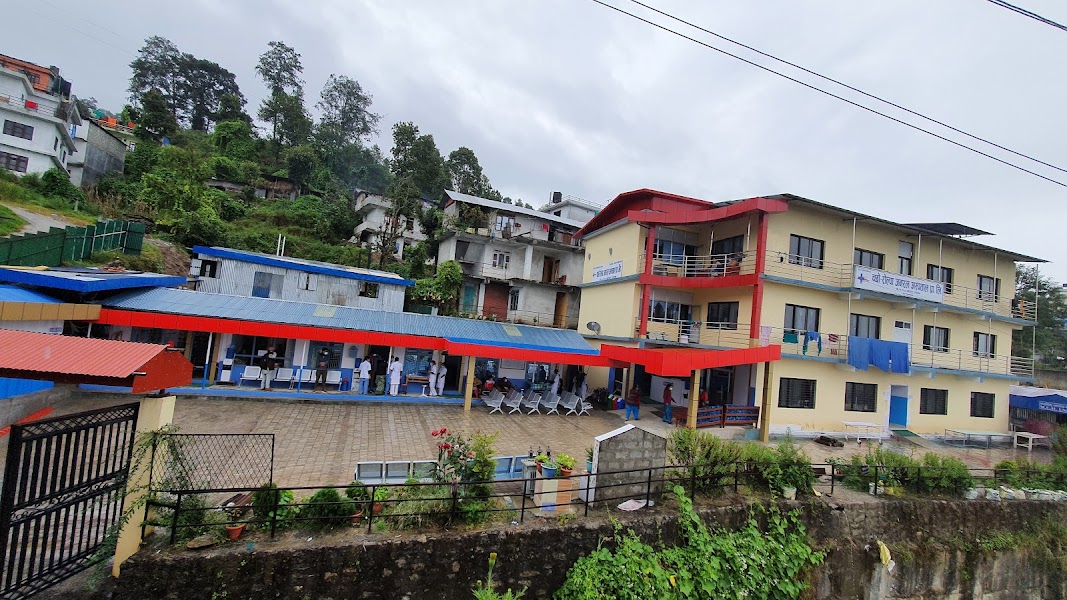
Course Name: Proficiency Certificate Level in Nursing
Common Name: PCL Nursing (Staff Nurse)
Institution: Tsho Rolpa General Hospital Dolakha
Affiliation: Council for Technical Education and Vocational Training (CTEVT)
Level: Proficiency Certificate Level
Duration: Three academic years
Academic System: Yearly system
Seat Capacity: 40
Location: Dolakha
Related Council: Nepal Nursing Council
The program aims to produce independent and competent middle-level nursing workforce capable of providing preventive, promotive, curative, rehabilitative, and holistic care to individuals and groups in hospital and community settings.
After completing the program, graduates are expected to develop the ability to care for well and sick individuals, families, and communities; apply preventive and therapeutic measures; use effective communication skills; apply the nursing process; assume leadership roles in health care; guide and supervise individuals, families, groups, and health workers; support healthful community environments; mobilize community participation; respect cultural values and health practices; and continue professional learning.
Eligibility: SLC in 2nd division with 45% marks and English, Science, and Mathematics; or SEE with minimum GPA 2.0 and C grade in Compulsory Mathematics, English, and Science; or SLC passed plus TSLC in Auxiliary Nurse Midwife (ANM) with minimum 68.33%.
Applicants must meet the academic entry criteria and pass the entrance examination administered by CTEVT. Applicants fulfilling the entry criteria are selected for admission on merit basis.
Duration: Three academic years
System: Yearly system
Academic Year: Up to 40 weeks
Weekly Study Load: Up to 40 hours, excluding evaluation period
Attendance Requirement: Minimum 90% attendance in each subject to appear in the respective final examination
Medium of Instruction: English and/or Nepali
The curriculum is arranged across three academic years. The first year focuses on basic nursing care in hospital and community settings. The second year focuses on preventive, promotive, and therapeutic nursing care for sick adult, elderly, and mentally ill individuals. The third year covers pediatric nursing, midwifery, gynecological nursing, and leadership and management.
Fundamental of Nursing
Community Health Nursing I
Anatomy and Physiology
Basic Science Applied to Nursing
English
Nepali
Medical and Surgical Nursing I
Medical and Surgical Nursing II
Geriatric Nursing
Behavioural Science and Mental Health Nursing
Community Health Nursing II
Social Science
Midwifery Nursing I
Midwifery Nursing II
Midwifery Nursing III
Gynecology Nursing
Child Health Nursing
Leadership and Management
The program includes theory, practical, clinical, and community-based learning. Students develop nursing skills through hospital practice, community health exposure, guided clinical procedures, patient care, case-based learning, field activities, and supervised nursing practice.
Clinical learning supports students in applying the nursing process, communication, patient assessment, medication-related nursing care, documentation, infection prevention, health teaching, maternity care, child care, mental health nursing, geriatric care, and leadership skills in real service settings.
Fundamental of Nursing introduces the role and responsibilities of nurses, ethical and legal aspects of nursing, professional organizations, hospital nursing, admission and discharge procedures, documentation, basic human needs, the nursing process, hygiene, comfort measures, vital signs, medication administration, first aid, pain management, and care of patients during illness and end-of-life situations.
Community Health Nursing develops knowledge and skills in community-based care, family and community assessment, epidemiology, health indicators, community diagnosis, environmental health, communicable and non-communicable disease prevention, health education, maternal and child health, nutrition, school health, and community participation.
Students study human body systems, basic biological functions, pharmacology, biochemistry, microbiology, parasitology, and virology as applied to nursing practice. This area builds the scientific foundation required for safe patient care and clinical decision-making within nursing responsibilities.
Medical and Surgical Nursing focuses on adult patient care, common medical and surgical conditions, diagnostic investigations, pre-operative and post-operative nursing care, operation theatre nursing, medication-related nursing implications, emergency care, oncology nursing, palliative care, rehabilitation, and nursing management across body systems.
Geriatric Nursing covers ageing, physiological and psychosocial changes, common health problems among older adults, nursing management of elderly patients, terminal care, safe medication use in older people, and health care services for senior citizens.
This area develops understanding of behaviour, psychology, mental health assessment, common psychiatric conditions, substance-related disorders, childhood psychiatric disorders, mental health problems in old age, psychiatric emergencies, treatment modalities, legal aspects of mental health nursing, and therapeutic communication.
Midwifery Nursing focuses on pregnancy, antenatal care, fetal wellbeing, birth preparedness, labour, delivery, postnatal care, newborn care, maternal complications, referral needs, reproductive health, safe motherhood, and nursing care of women during maternity-related conditions.
Gynecology Nursing covers common gynecological conditions, assessment, nursing management, diagnostic procedures, treatment support, and care of women with reproductive health concerns.
Child Health Nursing focuses on growth and development, child assessment, pediatric communication, newborn care, childhood illnesses, CBIMNCI, common pediatric disorders, emergency conditions in children, care of children with special needs, and family-centered child care.
Leadership and Management prepares students for professional responsibilities in nursing service. It covers nursing profession trends, regulatory bodies, Nepal Nursing Council, Nursing Association of Nepal, International Council of Nurses, conflict management, health service organization, national health planning, job descriptions of nursing personnel, supervision, reporting, and leadership roles.
The program includes internal assessment, final examination, practical examination, and clinical/practicum evaluation. Students must complete internal assessment requirements before appearing in the final examination.
Theory Pass Mark: Minimum 40%
Practical Pass Mark: Minimum 50%
Internal Assessment: Minimum pass mark required
Final Examination: Minimum pass mark required in each subject
Final practical evaluation is based on institutional practicum attendance, logbook or practicum book maintenance, spot performance, and viva voce.
Distinction: 80% and above
First Division: 65% to below 80%
Second Division: 50% to below 65%
Pass Division: Pass marks to below 50%
Back paper provision applies as per CTEVT rules. Students must pass all subjects of all years within six years from the enrollment date. Chance examination provision applies for final-year students as per CTEVT rules.
Students who pass all components of all subjects across all three years are awarded the Proficiency Certificate Level in Nursing qualification.
Graduates are eligible for the position equivalent to Non-gazetted 1st Class technical level as Staff Nurse, or as prescribed by the Public Service Commission of Nepal. Graduates are also eligible for registration or examination with the related council in the grade provisioned in the related council act. They may continue to Bachelor of Nursing or an equivalent course as per university rules.
PCL Nursing at Tsho Rolpa General Hospital runs for three academic years under the yearly system.
The program is affiliated with CTEVT.
The Nursing seat capacity listed for Tsho Rolpa General Hospital Dolakha is 40.
Eligible applicants must have SLC in 2nd division with 45% marks and English, Science, and Mathematics; or SEE with minimum GPA 2.0 and C grade in Compulsory Mathematics, English, and Science; or SLC passed plus TSLC in Auxiliary Nurse Midwife (ANM) with minimum 68.33%.
Yes. Applicants must pass the entrance examination administered by CTEVT.
The first year includes Fundamental of Nursing, Community Health Nursing I, Anatomy and Physiology, Basic Science Applied to Nursing, English, and Nepali.
The third year includes Midwifery Nursing I, Midwifery Nursing II, Midwifery Nursing III, Gynecology Nursing, Child Health Nursing, and Leadership and Management.
Students who pass all required components across the three years are awarded the Proficiency Certificate Level in Nursing qualification.
Staff Nurse
Staff Nurse






