



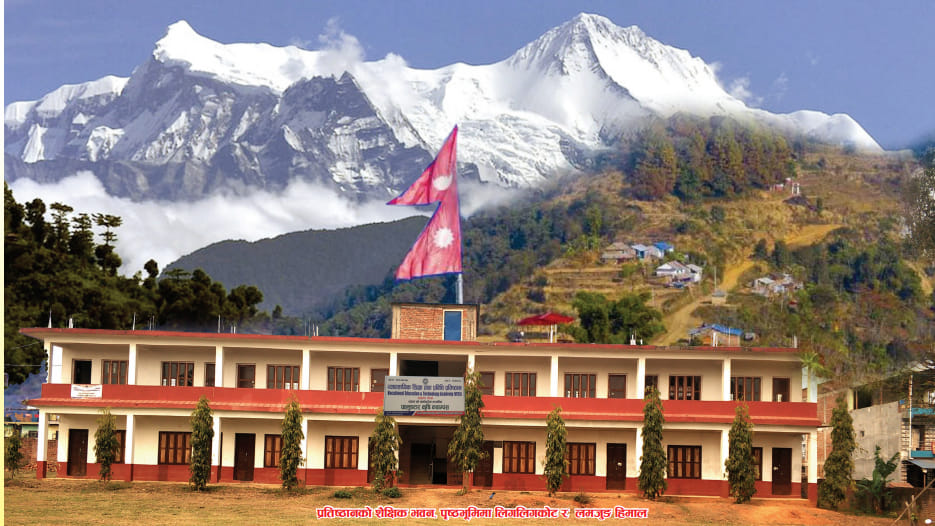
The Diploma in Agriculture (Plant Science) at Vocational Education & Technology Academy (VETA), located in Palungtar-10, Mirkot, Gorkha, is a three-year technical program developed as per the guidelines of the Council for Technical Education and Vocational Training (CTEVT).
The course targets SEE graduates and focuses on improving knowledge and practical skills in crop production and plant management. With 40 students per session intake, the program also provides 4 scholarship opportunities under CTEVT's reservation policy.
The curriculum is structured to support foundational and applied learning in plant science. It includes the following core areas:
Agronomy and crop science
Soil science and fertility management
Horticulture and nursery development
Agricultural chemistry
Integrated pest and disease management
Irrigation and water management
Agricultural economics and extension
Farm machinery basics
Students participate in continuous assessments, laboratory sessions, and project-based learning in line with CTEVT’s national examination system.
The primary objectives of this program include:
Building technical skills in plant production
Promoting scientific approaches to farming practices
Preparing mid-level agricultural technicians for community-based work
Encouraging sustainable and climate-resilient agricultural practices
Supporting the agriculture sector through practical workforce development
The program opens multiple career possibilities for graduates who want to contribute to food production and rural development. Areas of work include:
Agricultural field technician in the government or private sector
Technical assistant in farming cooperatives
Employment in seed companies or agri-input firms
Roles in NGOs and local development projects
Eligibility for further study in BSc Agriculture or related fields
Upon successful completion, students will be able to:
Prepare land and manage crop cycles
Apply sustainable farming practices
Analyze soil and recommend nutrient management plans
Identify and manage pests, diseases, and weeds
Maintain agricultural records and assist in extension work
Practical learning is a major focus throughout the course. Students participate in:
Field trials and crop demonstrations
Soil testing and plant diagnostics
Compost preparation and organic farming practices
Community-level agricultural interventions
Final-year project based on farm research or innovation
Teaching methods include lectures, interactive sessions, laboratory work, and field-based training. Students learn through guided demonstrations, supervised field visits, and practical assignments encouraging real-time learning. Instructors simplify concepts using visual aids and local case studies.
Academic eligibility: SEE passed
Entrance exam: Mandatory entrance conducted by CTEVT
Total intake: 40 students
Duration: 3 years
Medium of instruction: Nepali with basic English used in technical terms
Selection is based on merit and the reservation provisions of CTEVT
Graduates of this program can work in a range of roles such as:
Plant technician in rural municipalities or agricultural offices
Extension worker supporting farmers at the community level
Technician at agri-input companies (fertilizers, seeds, tools)
Coordinator in agriculture development projects
Self-employed grower, nursery operator, or agri-business entrepreneur
VETA offers 4 scholarship seats in this program, distributed according to CTEVT’s reservation guidelines. These scholarships help qualified candidates from underrepresented communities access technical education. CTEVT fixes the course fee and follows a uniform structure across all institutions.
This course provides practical agriculture skills directly relevant to Nepal’s economy and development needs. It supports young learners interested in farming careers, agriculture entrepreneurship, or higher technical education in plant science.
VETA's Diploma in Agriculture (Plant Science) provides a structured learning environment focused on crop production and sustainable farming. With support from CTEVT and experienced instructors, the course helps students transition from secondary education into employment or further studies in the agriculture field.






