



The Pre-Diploma in Agriculture (Plant Science) offered by Vocational Education & Technology Academy (VETA) is an 18-month technical training program based on the national curriculum developed by the Council for Technical Education and Vocational Training (CTEVT).
This course is designed for students who have passed the Secondary Education Examination (SEE) and want to develop hands-on plant and crop production skills. With 40 seats available per academic cycle and 4 scholarships, the program focuses on preparing entry-level agricultural workers ready to support Nepal’s farming communities.
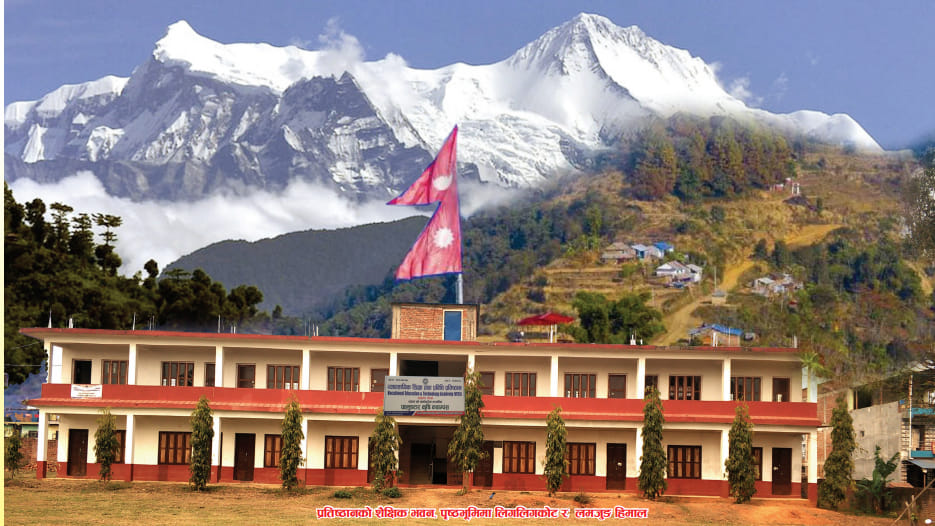
The course combines theoretical knowledge and practical exposure to plant science. The major components of the curriculum include:
Introduction to agronomy and horticulture
Crop and vegetable production techniques
Soil preparation and basic fertility management
Nursery development and seedling propagation
Farm tools, equipment handling, and safety
Basic pest and disease management
Organic compost preparation and usage
Agricultural recordkeeping and seasonal planning
Students undergo internal assessments, practical evaluations, and a final examination conducted by CTEVT.
The course has been introduced to fulfill the following goals:
Develop a working knowledge of general farming practices
Train students for entry-level positions in agricultural settings
Promote the adoption of scientific farming among rural youth
Provide a strong foundation for future diploma-level studies in agriculture
Strengthen the agricultural workforce at the grassroots level
Graduates of the Pre-Diploma in Agriculture (Plant Science) can work in:
Local farms and cooperatives
Private nurseries and seedling centers
Community agricultural programs
Basic technical support roles in agriculture-focused NGOs
Organic and small-scale vegetable production
The course also acts as a bridge for students who plan to pursue a Diploma in Agriculture later.
Upon completion, learners will be able to:
Prepare soil and plan crop rotations
Raise nurseries for vegetables and seasonal crops
Maintain basic agricultural records
Identify early-stage plant diseases and recommend control measures
Use basic farm tools and manage safety protocols
This program focuses heavily on practical skills through:
Fieldwork on school farms and local plots
Soil mixing, composting, and natural pesticide preparation
Practice in transplanting and seedling care
Observation and recording of crop growth
A short research or field report submitted at the end of the program
The teaching approach includes short lectures, demonstrations, group activities, and supervised farm practice. Students are encouraged to learn by doing, using locally available materials and tools. Instructors guide learners through each phase of planting, maintenance, and harvesting.
Minimum qualification: SEE passed
Entrance exam: Required as per CTEVT criteria
Total capacity: 40 students
Course duration: 18 months
Instruction language: Primarily Nepali, with English used for technical terms
Selection process: Based on entrance performance and the reservation rules set by CTEVT
This course opens doors to employment and practical roles such as:
Field helper on vegetable and grain farms
Nursery worker in public or private plant centers
Agricultural assistant in community farming projects
Vegetable producer for local markets
Entry into further technical study (Diploma in Agriculture or related programs)
VETA provides 4 scholarship seats for eligible candidates under the reservation system guided by CTEVT. Scholarships are offered to promote inclusion and affordability. The fee structure follows the standard rates set officially by CTEVT and remains consistent across institutions.
The course provides a solid start for SEE graduates interested in plant production and rural livelihoods. With a short duration, practical orientation, and local relevance, it helps build agricultural competency and contributes to youth employment in the farming sector.
The Pre-Diploma in Agriculture (Plant Science) at VETA, Gorkha, offers an accessible pathway to gain fundamental crop and vegetable farming skills. Through structured training and practical exposure, students are prepared for immediate work or continued education in agriculture.






