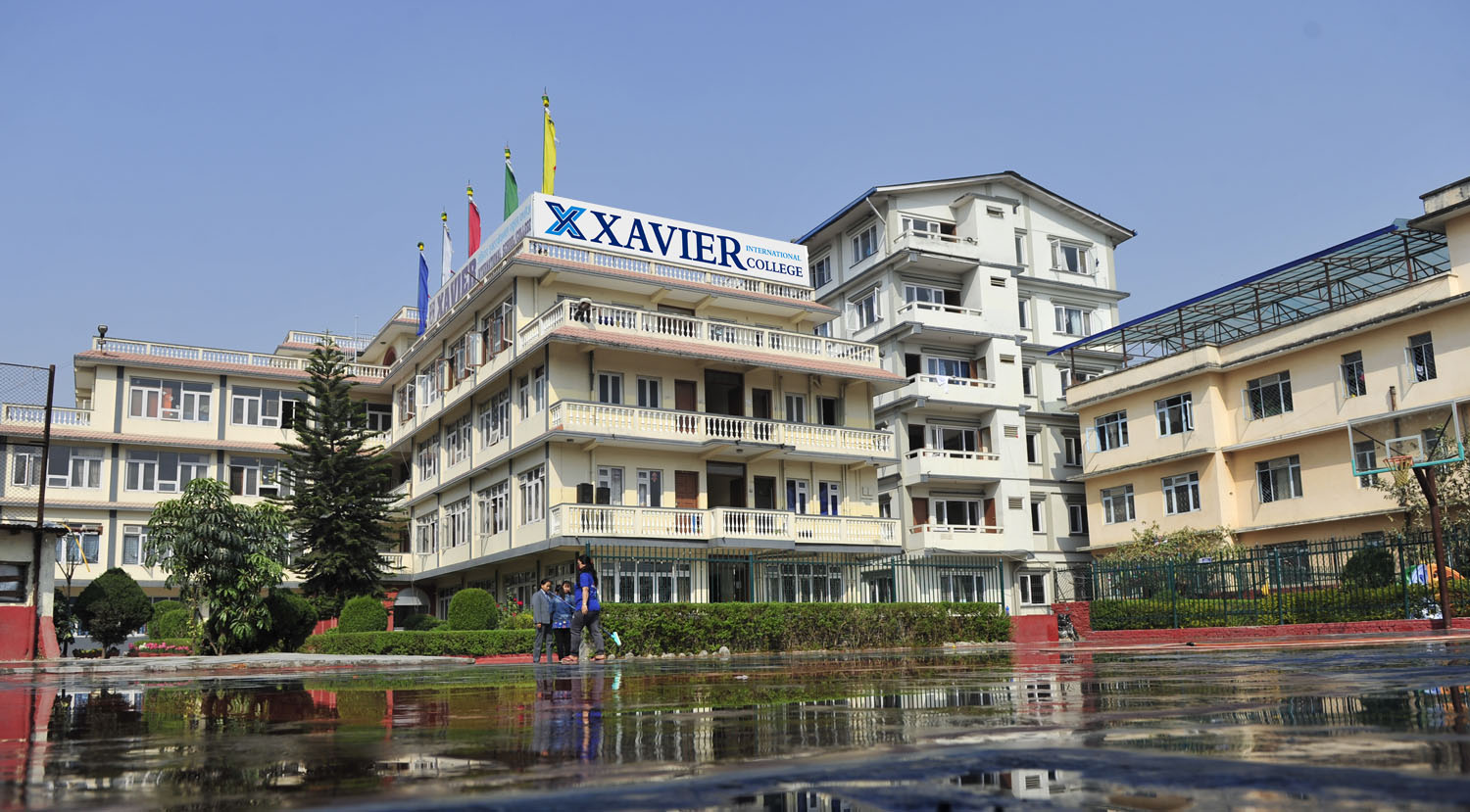
Ten Plus Two Humanities at Xavier International College (XIC), Kalopul, supports students who enjoy reading, writing, social inquiry, and community-focused work. You explore people, culture, economy, and communication while practicing analysis and clear expression.
The stream guides you toward undergraduate majors in sociology, psychology, social work, media, English, economics, or development studies.
This stream develops habits that employers and universities request—structured writing, data-aware reading, presentation, and collaboration. You move from short responses in Grade 11 to longer essays and field assignments in Grade 12. Teachers encourage questions that link classroom content to daily life in Kathmandu and across Nepal.
level: National Examinations Board (NEB), Ten Plus Two (Grade 11 and 12)
campus: Kalopul, Kathmandu (XIC)
stream purpose: academic preparation for social sciences and communication fields
assessment: term tests, practical or project components where applicable, and board examinations
support: counselling for subject selection, writing clinics, and higher-study guidance
Humanities at +2 combines compulsory subjects with stream-specific options. The college timetable introduces social theory at a beginner level, research basics, and writing practice that helps you organize ideas. You learn to read statistics in context without heavy jargon. Projects involve observation logs, short interviews, or document reviews that teach you to record facts carefully and protect privacy.
Students practice summaries, response papers, and short research notes. The class reviews topic sentences, transitions, and citation basics so your writing stays clean and readable. A presentation cycle trains you to speak to a time limit and answer focused questions. This routine supports board exam preparation and readies you for university interviews.
The stream sets five goals:
strengthen reading and writing skills for academic and public audiences
introduce core ideas from sociology, psychology, economics, and media
teach basic inquiry methods and ethical considerations in field tasks
build confidence in presenting, moderating, and note-taking
prepare students for bachelor’s programs in social sciences and communication
Humanities connects across sectors. Students move toward social work, education, development communication, local governance, research assistance, and media roles. The stream also pairs well with language-heavy majors such as English or journalism. The skill mix—writing, observation, and analysis—travels well into many first-year university modules, which require clear essays and structured short answers.
Students learn to:
craft paragraphs with strong topic sentences and plain language
read tables and charts and explain what the numbers mean for people’s lives
conduct simple interviews with consent and keep accurate notes
analyze social issues without stereotyping or exaggeration
deliver short talks supported by slides or cue cards
Weekly writing clinics focus on clarity and citation. You practice turning messy notes into a one-page brief. Group projects teach division of tasks, deadline management, and respectful feedback. A media-literacy mini-module trains you to check sources and avoid copying. Teachers include short “method drills” that introduce observation, sampling at a classroom scale, and data entry basics.
Faculty use guided reading, workshop-style writing, and iterative feedback. Classes begin with a clear question, move through a reading or mini-lecture, and end with a written response or small presentation. Teachers highlight common pitfalls—run-on sentences, unsupported claims, and vague phrasing—and show how to fix them. Students learn to revise work without losing their voice.
Applicants submit SEE or equivalent credentials and meet the college’s process for stream placement. Counselling helps you choose a subject set that matches your plans, such as pairing sociology with psychology, or economics with media studies. The office publishes intake-specific details on seats, forms, and deadlines. Students transferring from another curriculum receive guidance on equivalence.
Ten Plus Two Humanities leads to bachelor’s degrees that point toward:
social services and community programs
school support, counselling assistant roles, and youth engagement
development communication and media writing
research assistance in NGOs, local governments, and think tanks
language-intensive work such as editing, translation support, and content roles
Graduates who continue to social sciences often start as interns or assistants, producing notes, briefs, and outreach materials while they learn agency procedures.
Scholarship categories and seat counts are announced each session. Awards consider academic records and stream placement results. The college lists document checklists and dates during admission. Students can request counselling on longer-term plans, including undergraduate scholarships and entrance preparation after Grade 12.
You may prefer a stream that values language, people, and real-world context. Humanities at +2 gives you time to practice writing, learn inquiry basics, and build a record of honest work. That record helps you transition to university courses in social science or communication and increases confidence during interviews and entrance tests.
Ten Plus Two Humanities at Xavier International College offers a clear path for students who learn through reading, writing, and observation. You gain skills that apply across degrees and public-facing roles. Careful guidance, weekly practice, and steady feedback keep the focus on growth, accuracy, and responsibility—qualities that support your next steps after Grade 12.