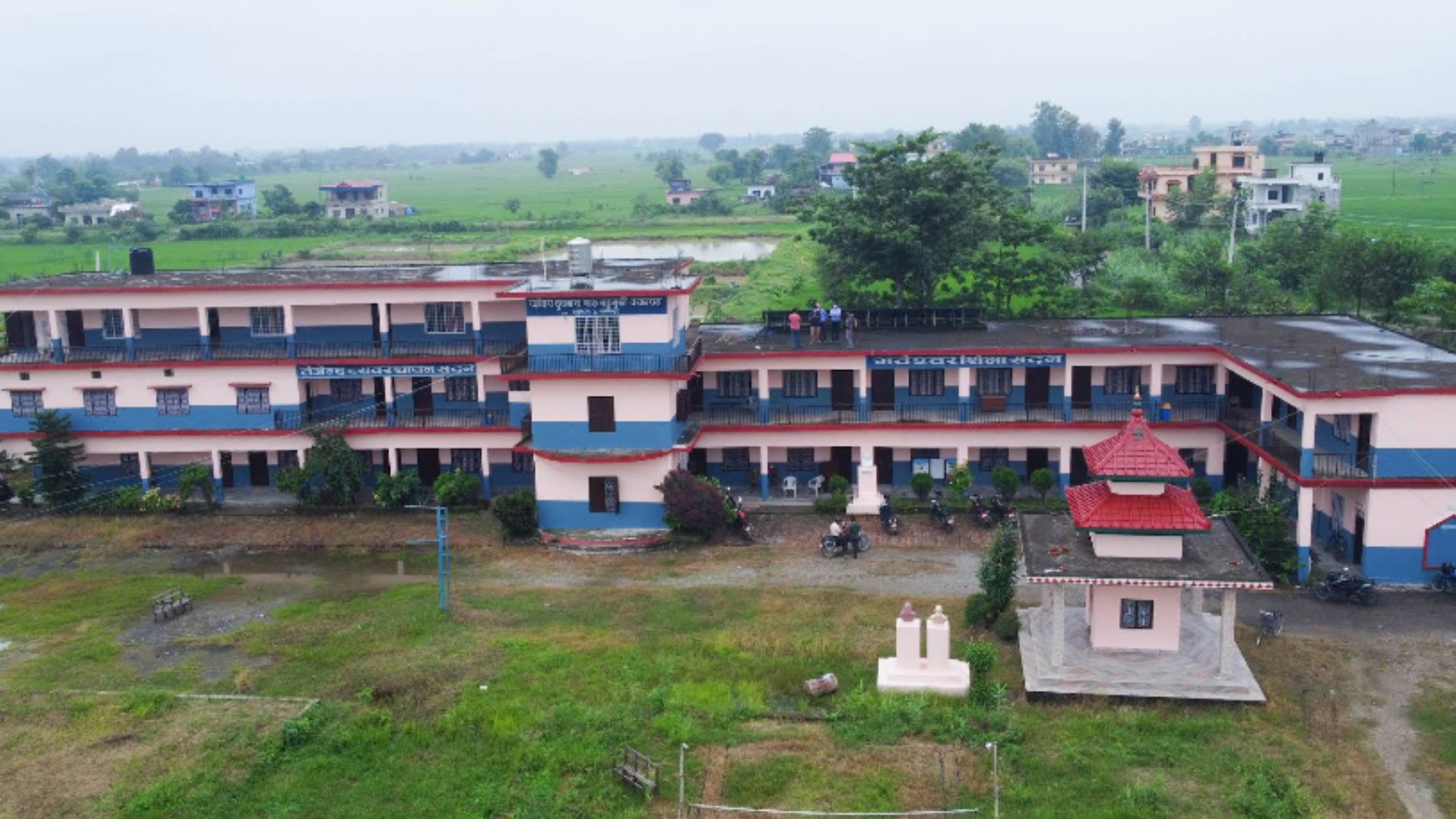
The Master of Business Studies (MBS) at Yagyodaya Dudhnath Tharu Multiple Campus, Rupandehi, is a postgraduate management program under the Faculty of Management of Tribhuvan University. It is offered at a community-based campus in Suddhodhan-3, Farsatikar, Ramawapur, serving students from the local area as well as nearby municipalities between Butwal and Bhairahawa.
Within this campus, the MBS program extends the management stream beyond the bachelor level. It is relevant for graduates who want to continue their studies in management in the same academic setting where BBS is also available. The campus-level support structure includes library, computer lab, multimedia, classrooms, counseling, and scholarship support for deserving students.
TU-affiliated MBS program under the Faculty of Management
Two-year, four-semester master’s program
CMAT-based admission under TU Faculty of Management procedures
Offered at a community-based campus in Suddhodhan-3, Rupandehi
First-semester courses include Marketing Management, Managerial Economics, Statistical Methods, Organizational Behavior, and Managerial Communication
Campus facilities include library, computer lab, multimedia, classrooms, counseling, and conference hall
Scholarship support is available for deserving students
Offered at a campus that received QAA accreditation in 2025
The MBS program follows the TU semester system. The available course outline shows a structured first semester focused on management, economics, statistics, organizational behavior, and communication.
Duration: 2 years, 4 semesters
System: Semester-based
Admission Basis: CMAT
First Semester Courses: Marketing Management, Managerial Economics, Statistical Methods, Organizational Behavior, Managerial Communication
Credit Pattern in the available first-semester outline: 3 credit hours per course
Lecture Pattern in the available first-semester outline: 48 lecture hours per course
Develop decision-making ability in marketing management
Build knowledge of managerial economics for business decisions
Strengthen the use of statistical methods in business problem-solving
Improve understanding of organizational behavior in management settings
Develop written, oral, verbal, and non-verbal business communication skills
The MBS program provides postgraduate study in management for students who want a deeper academic base after completing their bachelor’s degree. Its available course structure shows a move toward analytical decision-making, organizational understanding, communication, and applied management study.
At Yagyodaya Dudhnath Tharu Multiple Campus, the program also matters because it gives management graduates from the surrounding area a local route into master’s-level education. Since the campus also offers BBS, the MBS program forms a direct academic continuation within the same institution.
Analyze management issues through marketing and economic frameworks
Apply statistical methods to business situations
Understand behavior within organizations
Prepare business communication in written and oral forms
Engage with management study at postgraduate level
Marketing analysis
Managerial decision-making
Statistical application
Organizational understanding
Report and correspondence writing
Oral presentation
Meeting and interview communication
The available semester outline shows classroom teaching combined with applied communication work in selected courses. Some course components also include discussion, presentation, and case-based engagement.
Lectures
In-class discussions
Presentations
Case study in relevant course work
Business correspondence writing
Report writing
Mock meetings and interview sessions
Writing portfolio work in Managerial Communication
Management and administrative roles
Marketing-related roles
Business analysis and coordination roles
Organizational support roles
Further academic study in management and related fields
Scholarship support is available for deserving students
Apply after the campus publishes the admission notice
Submit the prescribed application form
Applicants must have completed BBS or a bachelor’s degree in any discipline from TU or a university recognized by TU
Admission is CMAT-based
Selected applicants complete admission through document submission and fee payment
Final enrollment follows TU rules and the campus schedule
Bachelor’s degree transcript or marksheet
Bachelor’s degree certificate or provisional certificate
Character certificate from the bachelor-level institution
Migration certificate, if applicable
Transfer certificate
Citizenship certificate or birth certificate copy
Passport-size photographs
Completed admission form
Admission fee payment receipt
CMAT scorecard
Equivalence certificate, if applicable
The MBS program follows the TU semester system. Entrance, admission, course curriculum, examinations, and results follow TU rules, guidelines, and the applicable academic calendar. Semester-end examinations are conducted by the concerned Dean’s Office under the semester framework.
The available first-semester structure shows credit-based course delivery. In selected communication-related course work, students also complete presentation and writing components as part of their academic work.
The MBS program at Yagyodaya Dudhnath Tharu Multiple Campus places postgraduate management study within a community-based campus in Rupandehi. Its available course structure points to a management program built around analytical study, communication, and organizational understanding under Tribhuvan University.
For graduates in Suddhodhan and nearby areas, it provides a local master’s-level option with CMAT-based entry, campus facilities, and scholarship support for deserving students.
The MBS program runs for two years in four semesters.
Yes. Admission to the MBS program is CMAT-based.
Applicants who have completed BBS or a bachelor’s degree in any discipline from TU or a university recognized by TU can apply.
The program is affiliated with Tribhuvan University under the Faculty of Management.
The available first-semester outline includes Marketing Management, Managerial Economics, Statistical Methods, Organizational Behavior, and Managerial Communication.