Sahid Narayan Pokharel Ramapur Campus is a public campus in Ramapur Colony, Ward No. 6 of Sainamaina Municipality, Rupandehi, Lumbini Province. It was established in 2060 B.S. (2003 AD) under Tribhuvan University to widen access to higher education for students of Rupandehi and nearby districts. SNPRC offers BBS, B.Ed., M.Ed., and MBS programs.
The SNPRC campus began with 19 students in the rooms of Ramapur Higher Secondary School and later developed its own land and buildings near the East-West Highway. Its academic base is centered on education and management, with bachelor’s and master’s programs, student support units, scholarship provisions, and a public-service institutional orientation.
Public campus located in Sainamaina Municipality-6, Ramapur Colony, Rupandehi
Established in 2060 B.S. (2003 A.D.)
Affiliated with Tribhuvan University
UGC QAA status: Accredited
Started with 19 students and later grew to 675 students
Runs bachelor’s and master’s level programs in education and management
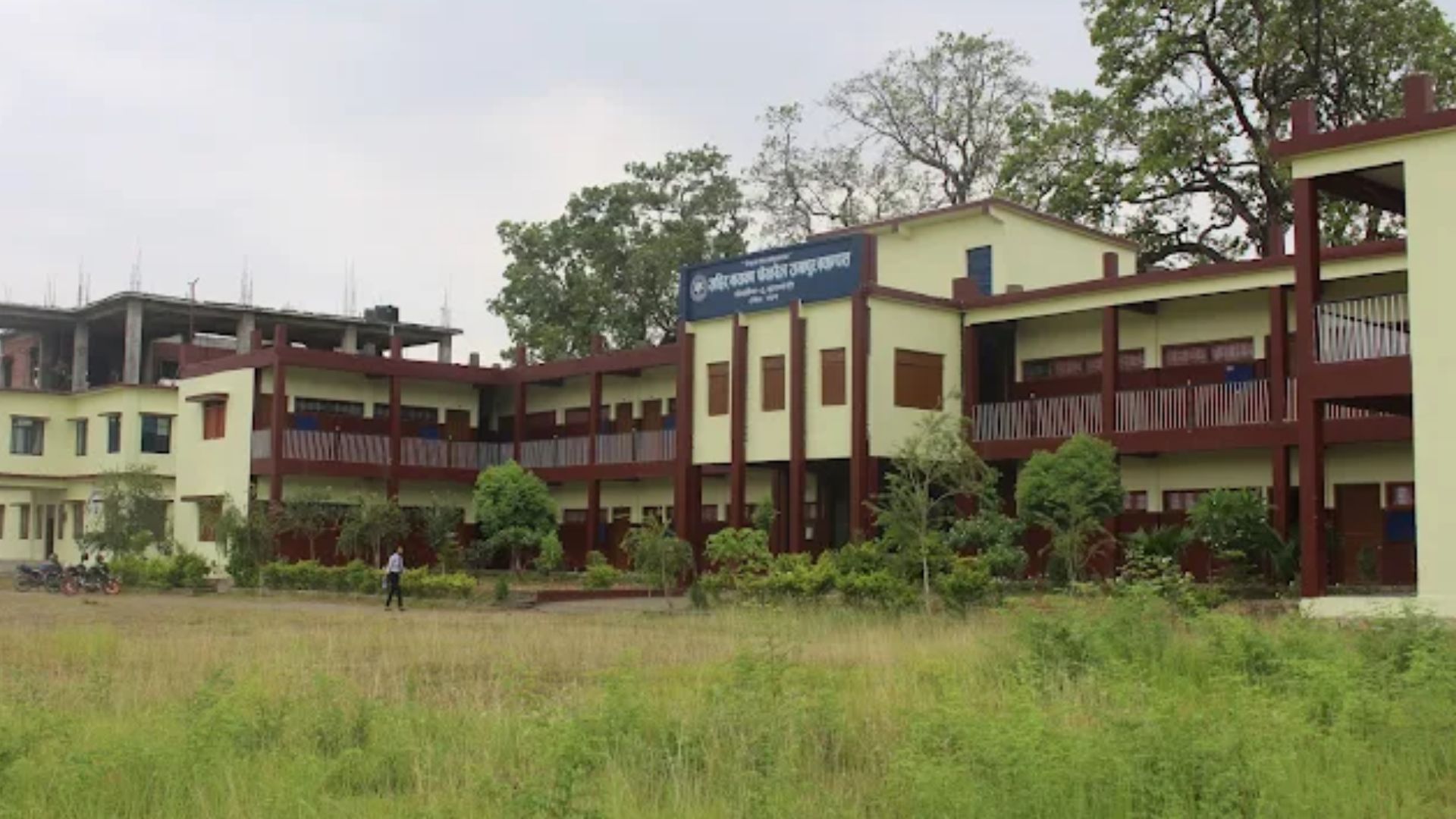
Has its own land and buildings
Departments include English, Nepali, Management, and Health & Math Education
Student support units include counseling, health service, practice teaching, examination, EMIS, and a students help desk
Scholarship policy covers outstanding students and selected target groups
The campus was set up to open access to higher education in the western part of Nepal for students who might otherwise have limited local options. Its institutional mission places emphasis on Dalit, Janajati, women, Madheshi, and other marginalized groups. Along with access, the campus connects its work to local resource use, community participation, and teacher preparation.
Its stated direction combines academic expansion, staff development, infrastructure growth, research-linked teaching, and student development. The campus also presents itself as a public-sector institution run in a non-profit spirit. This public character is reflected in its governance structure, which includes a General Assembly or Senate, a Campus Management Committee, campus leadership, academic committees, quality assurance bodies, and student-related committees.
The campus has organized administrative and academic sections for general administration, examination, research management and publication, laboratory work, counseling and feedback, practice teaching, health service, EMIS, and library management. Parent-teacher and alumni bodies are also part of its institutional structure.
Sahid Narayan Pokharel Ramapur Campus runs the following TU-affiliated programs:
Bachelor of Education (B.Ed.)
A four-year annual program under TU. The B.Ed. structure combines communication skills, professional core courses, specialization major courses, specialization minor courses, and teaching internship or practicum. The subject areas mentioned for major study include Nepali Education, English Education, Mathematics Education, Science Education, Health and Physical Education, Population Education, History Education, Geography Education, Economics Education, and Political Science Education.
Bachelor of Business Studies (BBS)
A four-year annual management degree under TU. The program is designed around foundation courses, core business study, concentration options, business research methods, and final project work in the fourth year.
Master of Education (M.Ed.)
The campus profile presents M.Ed. in Health and Curriculum Evaluation. Under TU’s semester system, M.Ed. runs for two years across four semesters and combines core education courses, specialization courses, teaching practice or practicum, and thesis writing.
Master of Business Studies (MBS)
A master’s level management program focused on conceptual knowledge of business and management, functional management areas, business environment, entrepreneurship, research capability, and preparation for advanced study.
The campus departments named in the available institutional material are the Department of English, Department of Nepali, Department of Management, and Department of Health & Math Education.
Admission notices are published by the campus according to the relevant TU program schedule.
Bachelor-level admission generally begins after eligible applicants submit the prescribed application form and required academic documents.
Depending on the program or campus rule, bachelor-level admission may involve an entrance examination, merit-based selection, or both.
Master’s level applicants submit the prescribed application form after the campus or concerned authority opens admission.
Admission to master’s programs may include an entrance examination depending on the program.
For M.Ed., student selection is based on marks obtained in the entrance examination related to educational aptitude and subject knowledge.
Selected applicants complete admission by submitting documents and paying the prescribed fees.
Academic registration, examinations, and results follow TU rules, faculty rules, and the applicable academic calendar.
Academic transcript or grade sheet of Class 12 / +2 or equivalent
Character certificate from the previous institution
Migration certificate, if applicable
Transfer certificate from the previous school or college
Citizenship certificate or birth certificate copy
Passport-size photographs
Entrance examination scorecard, if required
Completed campus admission or application form
Admission fee payment receipt
Equivalence certificate, if applicable
Bachelor’s degree transcript or marksheet
Bachelor’s degree certificate or provisional certificate
Character certificate from the bachelor-level institution
Migration certificate, if applicable
Transfer certificate from the previous campus or college
Citizenship certificate or birth certificate copy
Passport-size photographs
Entrance examination scorecard, if required
Completed admission or application form
Admission fee payment receipt
Equivalence certificate, if applicable
The campus profile places emphasis on experienced teaching staff and student-centered academic work. Its stated teaching approach combines lecture methods with group work, project work, and problem-based learning. In education-related study, the campus also names micro teaching, real teaching, seminars, field study, case study, and action research as part of the learning process.
This approach aligns with the structure of its education programs, where practice teaching, classroom application, and academic tasks are part of the study pattern. In management study, TU course structure adds practical work, project work, group discussion, and field-based academic activity. The overall picture is of a campus that links classroom instruction with guided academic practice.
Own land and buildings
Library
Computer Center
Laboratory Section
Health Service Unit / Health Desk
Examination Section
Research Management & Publication Section
Counseling, Feedback & Placement Section
Practice Teaching Section
EMIS Section
Students Help Desk
Changing Room
Store Unit
Guard’s Room
Online free payment facility
Field visit support
Tour and picnic activities
Intern facilities
Student life at the campus is organized through formal participation groups as well as clubs and support bodies. The institutional structure includes the Free Students Union, Youth Red Cross Circle, Head Students Quality Circle, and Students Quality Circle. These groups show that student participation extends beyond class attendance into representation, quality discussion, and service activity.
The campus also has a Nature Club, Literary Club, and Sports Club. These bodies give student life a clear co-curricular side connected to reading, writing, sports, and community-facing engagement. Parent-teacher and alumni structures add another layer of campus connection beyond regular classroom study.
Extra Curricular Activities Committee
Youth Red Cross Circle
Nature Club
Literary Club
Sports Club
Tour and picnic activities
Field visit activities
Scholarship policy for outstanding students
Scholarship focus includes students from minority caste groups, poor economic backgrounds, conflict-affected backgrounds, and students with physical disabilities
Full scholarship for students scoring 70 percent and above in PCL and +2
50 percent scholarship for students scoring 60 percent and above in PCL and +2
50 percent scholarship for toppers of feeder schools
Established in 2060 B.S. under Tribhuvan University
Began with 19 students in the rooms of Ramapur Higher Secondary School
Later developed its own land and buildings in Sainamaina
Reported growth to 675 students
QAA status recorded as Accredited
The chairman’s message presents the campus as a public-sector institution working in a non-profit spirit and serving students from poor and marginalized backgrounds through affordable study opportunities.
The campus chief’s message links the campus’s growth since 2060 B.S. with the work of social workers, teachers, and students. It also places emphasis on low-fee access and a study environment connected to practical learning.
Sahid Narayan Pokharel Ramapur Campus stands as a TU-affiliated public campus with a clear local role in higher education access in Rupandehi. Its profile combines education and management programs, a structured committee system, student clubs, scholarship support, and facilities tied to classroom and practical study. For students looking for bachelor’s or master’s level study in Sainamaina within the TU framework, the campus presents a public academic option with established local roots.
College Name: Sahid Narayan Pokharel Ramapur Campus (सहिद नारायण पाेखरेल रामपुर क्याम्पस)
Location: Sainamaina Municipality-6 (Ramapur Colony), Rupandehi, Lumbini Province, Nepal
Affiliation: Tribhuvan University
Email: snprcedu@gmail.com
Phone No.: +977-9857037401, +977-9857037387
Website: www.snprc.edu.np
Contact Sahid Narayan Pokharel Ramapur Campus's administrative office for detailed information on the course, admissions, location, fees, scholarships, facilities, counseling, or eligibility.
Sahid Narayan Pokharel Ramapur Campus offers Bachelor of Education (B.Ed.), Bachelor of Business Studies (BBS), Master of Education (M.Ed.), and Master of Business Studies (MBS).
The campus is located at Sainamaina Municipality-6, Ramapur Colony, Rupandehi, Lumbini Province, Nepal.
Yes. The campus was established under Tribhuvan University, and its listed academic programs follow the TU framework.
Admission begins after the campus publishes its notice. Applicants submit the prescribed form and required documents. Depending on the program, admission may involve an entrance examination, merit-based selection, or both, followed by fee payment and final enrollment.
Bachelor’s applicants generally need a Class 12 / +2 transcript, character certificate, migration certificate if applicable, transfer certificate, citizenship or birth certificate copy, passport-size photographs, application form, fee receipt, and any required entrance scorecard.
Yes. The campus has a scholarship policy for outstanding students and selected target groups. It also mentions full and partial scholarships based on PCL and +2 results, along with support for toppers of feeder schools.
The campus includes a library, computer center, laboratory section, health service unit, counseling and feedback section, practice teaching section, examination section, EMIS section, and a students help desk.
The campus lists the Youth Red Cross Circle, Nature Club, Literary Club, Sports Club, and student quality circles, along with an Extra Curricular Activities Committee.