



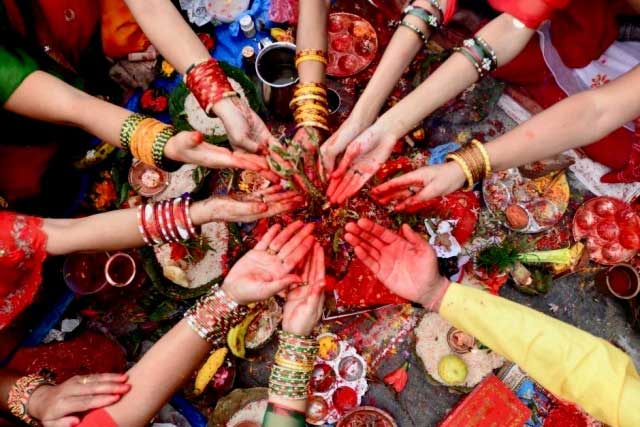
Rishi Panchami: From a Narrow Menstruation Narrative to Scientific and Spiritual Awakening
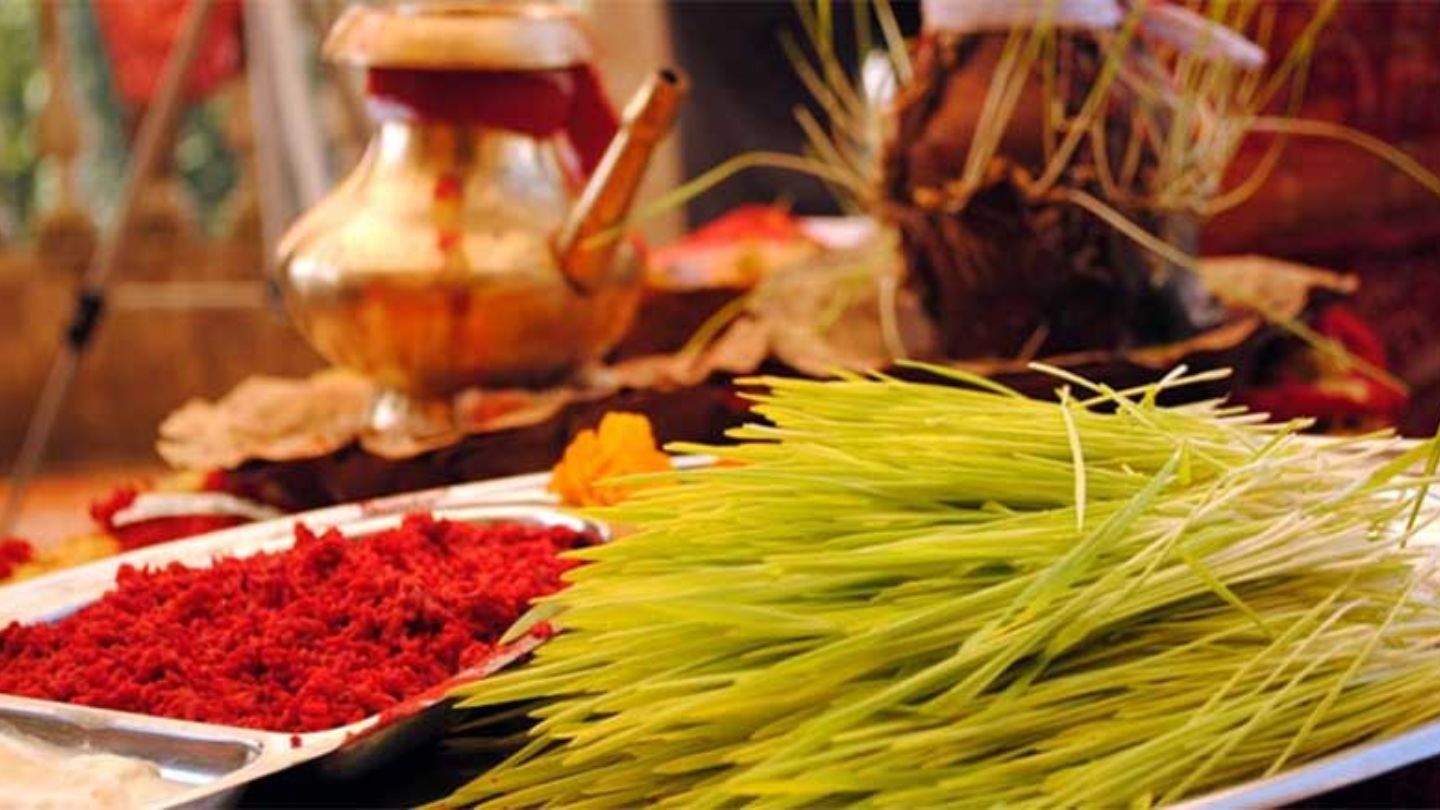
Rishi Panchami, a festival observed in Nepal, holds significant religious and spiritual importance in Hindu culture. According to traditional religious beliefs, women worship the Saptarishis and Goddess Arundhati on this day for any rules unknowingly violated or mistakes made during menstruation throughout the year. The tradition of brushing the teeth with datiwan, applying soil, sesame, and cow dung, and bathing in a sacred river or body of water is regarded as a process of physical and spiritual purification.
Menstruation Is Not a Sin, but a Natural Gift
Over the past centuries, the meaning of this festival has gradually narrowed, and it has come to be understood mainly as a day for women to “remove the faults associated with menstruation.” In modern times, however, menstruation is increasingly understood as a natural process rather than a form of impurity. In this context, connecting the festival with awareness of women’s health and hygiene is viewed as a positive development.
Menstruation is a sacred and essential biological gift that nature has given women for the continuation of human life. Without this cycle, human civilization itself could not continue. The article therefore states that associating such a fundamental law of nature with sin is, in itself, a major conceptual misunderstanding.
Scientific and Environmental Significance of Traditional Bathing
The bathing practice observed on Rishi Panchami was not merely a ritual but was also considered an effective method of physical cleansing in ancient times. The use of apamarga (datiwan) for brushing the teeth and bathing with cow dung from free-grazing cattle, clean soil, ash, and kush grass is described as having specific scientific significance.
The medicinal properties attributed to datiwan helped support oral and dental health, while applications of soil and ash were regarded as natural antiseptics that could help protect against skin conditions. Modern studies are also described as indicating that direct contact between the human body and soil can be important for health. Practices such as walking barefoot on the ground or touching soil with the hands are said to help maintain the body’s microscopic environment through a closer connection with nature.
Although such bathing close to nature was associated with the idea of washing away sin, an important aspect of the practice was also to address physical ailments and promote well-being while reconnecting people with a natural way of life.
The Meaning of Rishihood and Brahmavadini Women
“Devo bhutva devam yajet” means that, to worship the divine, one must also cultivate divine qualities within oneself. Worship is not limited to offering flowers and akshata; it also means remembering the virtues of those one reveres, embracing their ideals, and putting those ideals into practice in one’s own conduct.
“Rishi” is not the name of any particular caste, class, or gender. Rather, it represents an elevated state of consciousness characterized by noble thought, self-discipline, sacrifice, inquiry, and a commitment to public welfare. In Vedic literature, many Rishis were women, known as “Rishikas” or “Brahmavadinis.”
Therefore, the deeper meaning of Rishi Panchami is not confined to worshipping images of the Saptarishis. Its essence lies in bringing into one’s own life the path of knowledge, spiritual discipline, and inquiry demonstrated by the Rishis.
Meaning of Rituals and Social Transformation
Traditional rituals hold their own distinct importance in our culture. Although their deeper meaning or underlying principles may not always be immediately understood, rituals and practices passed down through generations have helped maintain continuity with the Vedic heritage.
Just as people today use highly advanced digital devices without necessarily understanding the science inside them, our ancestors may not always have known the scientific explanations behind certain practices. Nevertheless, they framed those practices through concepts such as “dharma,” “punya,” or “washing away sin” and established them as rules so that people would continue observing them, whether through reverence or fear.
Rituals help bind society together through a shared discipline and framework, but they should not become actions repeated mechanically. Today’s informed society needs to look seriously at the inner awakening and consciousness that lie behind such practices.
When Rishi Panchami is viewed beyond narrow ideas associated with menstruation, it takes on the meaning of an “awakening of Rishihood.” Its deeper meaning is to resolve to make one’s thoughts and character pure, disciplined, and altruistic like those of the Rishis.
The festival is not meant for women or men alone. It can be understood as a day for every individual to give up harmful thoughts, embrace constructive ones, move from ignorance toward knowledge, and commit to connecting one’s life with the welfare of others. Only when wisdom is combined with ritual can any festival or tradition guide society toward meaningful direction and transformation.

.png)

Comments 0
No comments yet. Be the first to start the conversation.