



National Curriculum Framework Revision: Provinces Suggest Reducing Curriculum Load and Including AI
Workshops held across all seven provinces to revise the “National Curriculum Framework, 2076 BS” have produced key suggestions, including reducing curriculum load, making education employment- and entrepreneurship-oriented, and incorporating artificial intelligence (AI) into the curriculum.
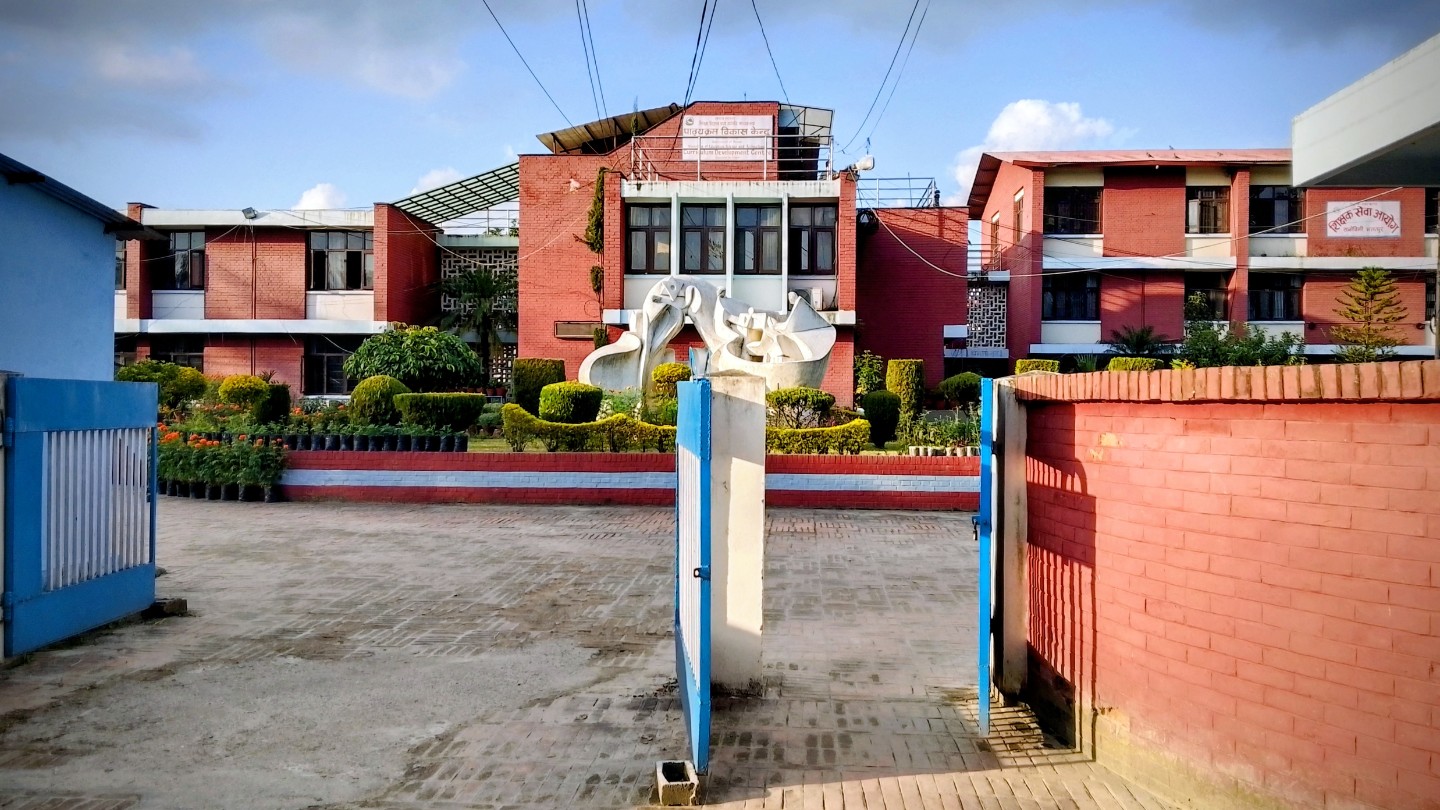
In accordance with a ministerial-level decision of the Ministry of Education and Sports, the National Curriculum Framework Revision Task Force collected suggestions and feedback from stakeholders in 28 districts across all seven provinces with the aim of making the curriculum timely, practical, useful for life, and effective. The workshops, organized by the Curriculum Development Centre, included direct interaction with teachers, students, headteachers, parents, experts, policymakers, and representatives of local levels.
According to Mahendra Parajuli, Executive Director of the Centre, suggestions were collected from 28 districts in the first phase. He said suggestions would also be collected from all 77 Education Development and Coordination Units and through the Centre’s website.
Key Suggestions Received by Province
-
Koshi Province: Education should be linked with local production and made self-employment- and entrepreneurship-oriented, while learning should be technology-friendly and practical. Technical and vocational education should be expanded, along with education that promotes patriotism, morality, and the preservation of traditional languages and cultures. The curriculum should be made flexible, with some responsibility for its development and implementation given to schools and teachers.
-
Madhesh Province: Curriculum content and workload should be reduced. The curriculum should include subjects that create employment through tourism, agriculture, and indigenous knowledge and skills, along with moral education and knowledge related to AI. Students should be made proficient in their mother tongue, Nepali, and English; headteachers should be developed as educational leaders; psychosocial counselling should be provided to students; and local levels should be given the authority to develop local curricula.
-
Bagmati Province: Education should be entrepreneurship- and employment-oriented, while mandatory parent education, moral education, and the promotion of local knowledge, skills, and culture should be included.
-
Gandaki Province: Education should be practical, useful for life, and skill-based. Pre-vocational, agricultural, and technical education should help produce self-reliant human resources, while local geography, history, arts, and diversity should be incorporated into the curriculum.
-
Lumbini Province: Excessive curriculum load and content should be reduced. The curriculum should foster patriotism, increase creativity through the use of AI, and enable young people to create employment within the country rather than migrate abroad.
-
Karnali Province: Early childhood development and education should be brought within the school structure as a two-year program. Confusion created by frequent curriculum changes should be ended, implementation monitoring should be made effective, and necessary support should be provided to teachers.
-
Sudurpaschim Province: Although the Ministry of Social Development and PABSON Sudurpaschim conducted a program in Dhangadhi, details of the main suggestions received from the discussion have not been made available.
Based on these suggestions received from workshops across all seven provinces, the Curriculum Development Centre has stated that it will move forward with the necessary process to revise the National Curriculum Framework, 2076 BS.

Comments 0
No comments yet. Be the first to start the conversation.