



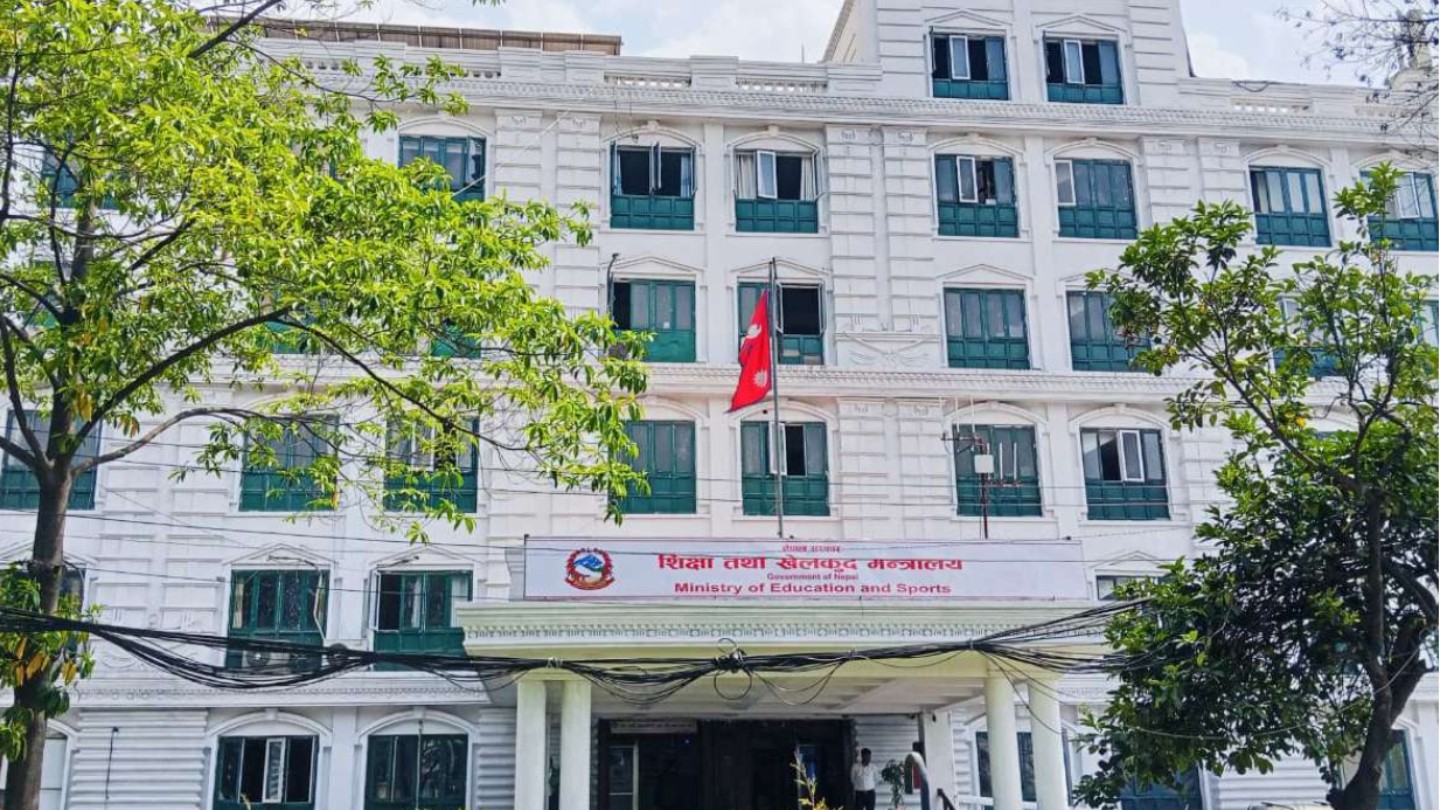
112 Local Levels Yet to Be Declared Literate, All Districts to Be Made Literate This Fiscal Year
Although a nationwide literacy campaign has been running for around one and a half decades with the aim of eliminating illiteracy from the country, 112 local levels have yet to be declared literate. According to the Department of Education, 68 districts have so far been declared literate, while the government is preparing to declare all remaining districts literate within the current fiscal year.
Status of Madhesh Province and Dolpa
The local levels yet to be declared literate are in Madhesh Province and Dolpa district of Karnali Province.
-
Madhesh Province: Of the 136 local levels in Madhesh, only 25 have so far been declared fully literate, while another 25 are in the final stage of being declared literate.
-
Dolpa: Chharka Tangsong Rural Municipality in Dolpa district has yet to be declared literate. According to the department, most residents there are literate in the Tibetan language and conduct their daily activities in that language, but they do not know how to write or speak Nepali.
Expert Task Force Recommendations for Madhesh Province
As the problem of illiteracy was found to be more significant in Madhesh Province, the government formed a seven-member “High-Level Expert Task Force on Preparations for a Literate Madhesh Province” under the coordination of former secretary Dr. Ramswarup Sinha.
The task force submitted its report to Minister for Education and Sports Sasmit Pokharel on Baisakh 30. The report includes recommendations on the literacy situation in Madhesh Province, the main causes of illiteracy, identified problems, strategies for solutions, and innovative practices. Based on the report, the government has adopted a strategy to mobilize the provincial and local governments.
Background and Expenditure of the Literacy Campaign
The government first made a written commitment at an international conference held in Jomtien, Thailand, in 2000 to eliminate illiteracy from the country by 2015. Subsequently, the campaign was launched in 2065 BS with the target of eliminating illiteracy within two years.
The campaign has continued every year since then, with nearly Rs 10 billion spent on it so far.
According to educationist Prof. Dr. Vidyanath Koirala, the campaign has not achieved the expected level of success because it remains unclear who is responsible for making citizens literate.
However, Ministry of Education and Sports spokesperson Shree Prasad Bhattarai said there are plans to mobilize facilitators from community learning centres as well as students from Grades 10, 11, and 12 to make the literacy campaign more effective.
Literacy Indicators and Statistics
According to United Nations practice, a district, local level, or province can be declared literate when at least 95 percent of its population is literate.
A citizen is considered literate if they are capable in at least six of 12 literacy indicators. These include being able to read and write letters of the national language or mother tongue, read price lists and bills, read and write their own name and age as well as those of family members, use a mobile phone and calculator, tell the time by looking at a clock, and identify dates using a wall calendar.
According to the latest data, Nepal’s literacy situation is as follows:
-
Literacy rate among people aged five years and above: 76.2 percent, including 83.6 percent for males and 69.4 percent for females
-
Literacy rate among people aged 15 years and above: 72 percent
-
Literacy rate among people aged 15 to 24 years: 94 percent
-
Literacy rate among people aged 15 to 60 years: 85 percent
International Literacy Day Programs Postponed
This year’s main slogan for International Literacy Day has been set as “Literacy for People, Planet and Prosperity.”
However, the Department of Education has stated that no formal programs related to Literacy Day will be held this time because the country is in mourning following the damage caused by flooding in the Bhotekoshi River.

Comments 0
No comments yet. Be the first to start the conversation.