



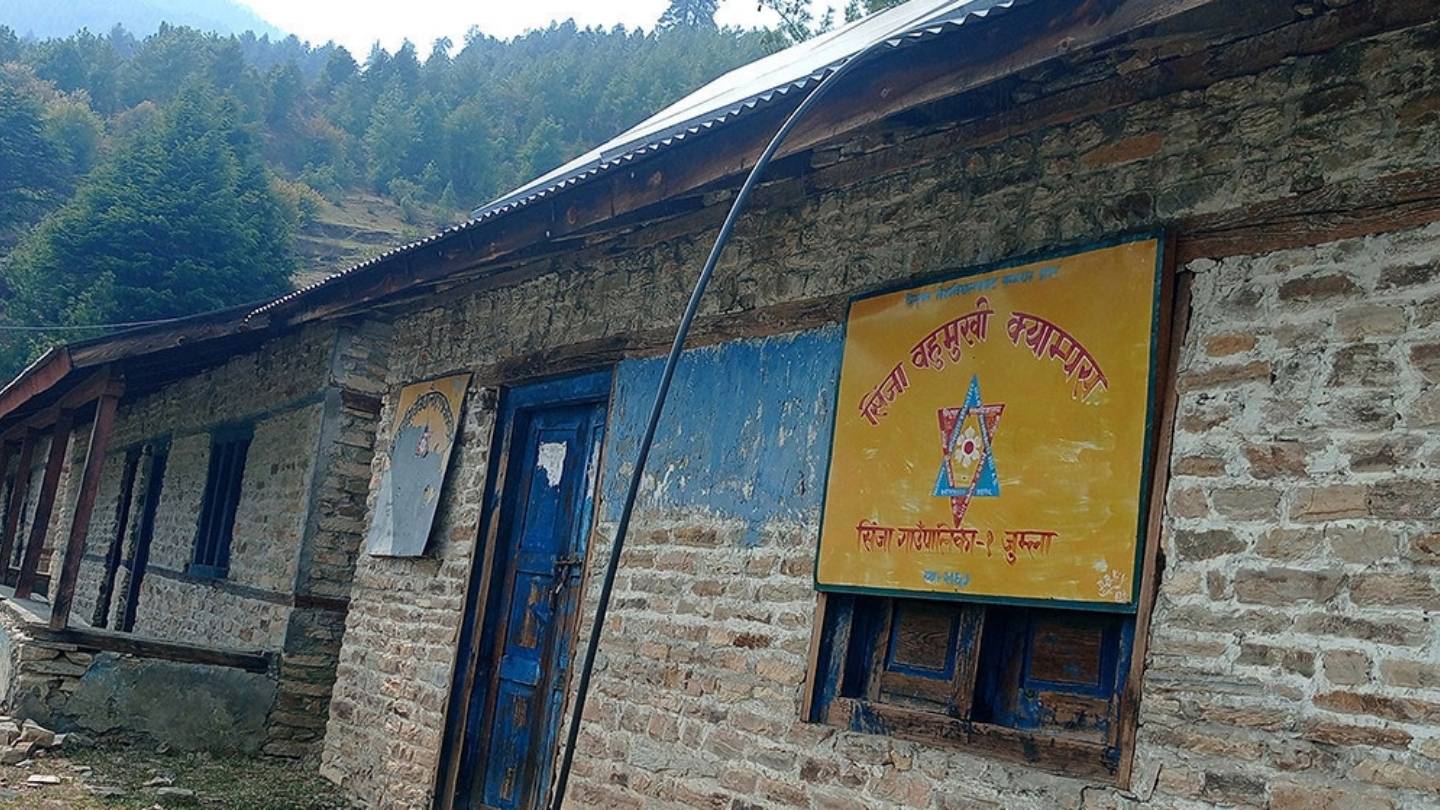
Sinja Multiple Campus: A Dream Now Under Question
When Sinja Multiple Campus was established in 2067 BS, residents of Sinja, Kanakasundari, and Hima rural municipalities in Jumla felt a strong sense of hope. The excitement that “a campus has arrived right at our doorstep” spread from village to village. In the very first year, nearly three hundred students enrolled—an achievement considered significant for remote Jumla.
But over time, the situation changed. At present, the campus does not run regular classes throughout the year. Each year, only around fifteen to twenty students enroll, and many of them come mainly to sit for exams under the campus name rather than to study here.
“Student fees are the main support for running the campus,” says Campus Chief Tirtha Nepal. “There are no permanent teachers, no sanctioned posts. Part-time teachers are somehow managing the teaching.”
Sinja Multiple Campus received approval in 2069 BS to run Bachelor’s level programs under Tribhuvan University in the faculties of Education and Management. Although teaching began in subjects such as English, Nepali, Mathematics, Economics, Marketing, and Finance, the campus administration complains that after approval, the state’s role almost ended. No budget arrived, no teacher posts were provided, and no infrastructure improvements were made. As a result, the campus has gradually been reduced to an institution in name only.
The campus buildings are in a dilapidated condition. Because the land is steep, there is a recurring problem of landslides every year. Without fencing, livestock can be seen grazing inside. On some days, the campus looks more like an empty field than an educational institution.
The reason students do not come is not only the physical condition. Irregular classes, exam centers being set elsewhere, and the shortage of teachers have pushed students to go outside. “If you have to go elsewhere to study even after enrolling here, then why enroll?” parents ask.
Sinja Multiple Campus was established in 2067 BS at Jacha, Sinja-1, with the aim of making higher education easier for students from Kanakasundari, Sinja, and Hima rural municipalities. Education experts say that merely opening a campus in a remote area is not enough. Without sustained government investment, quality teachers, and curricula aligned with local needs, a campus cannot become sustainable.
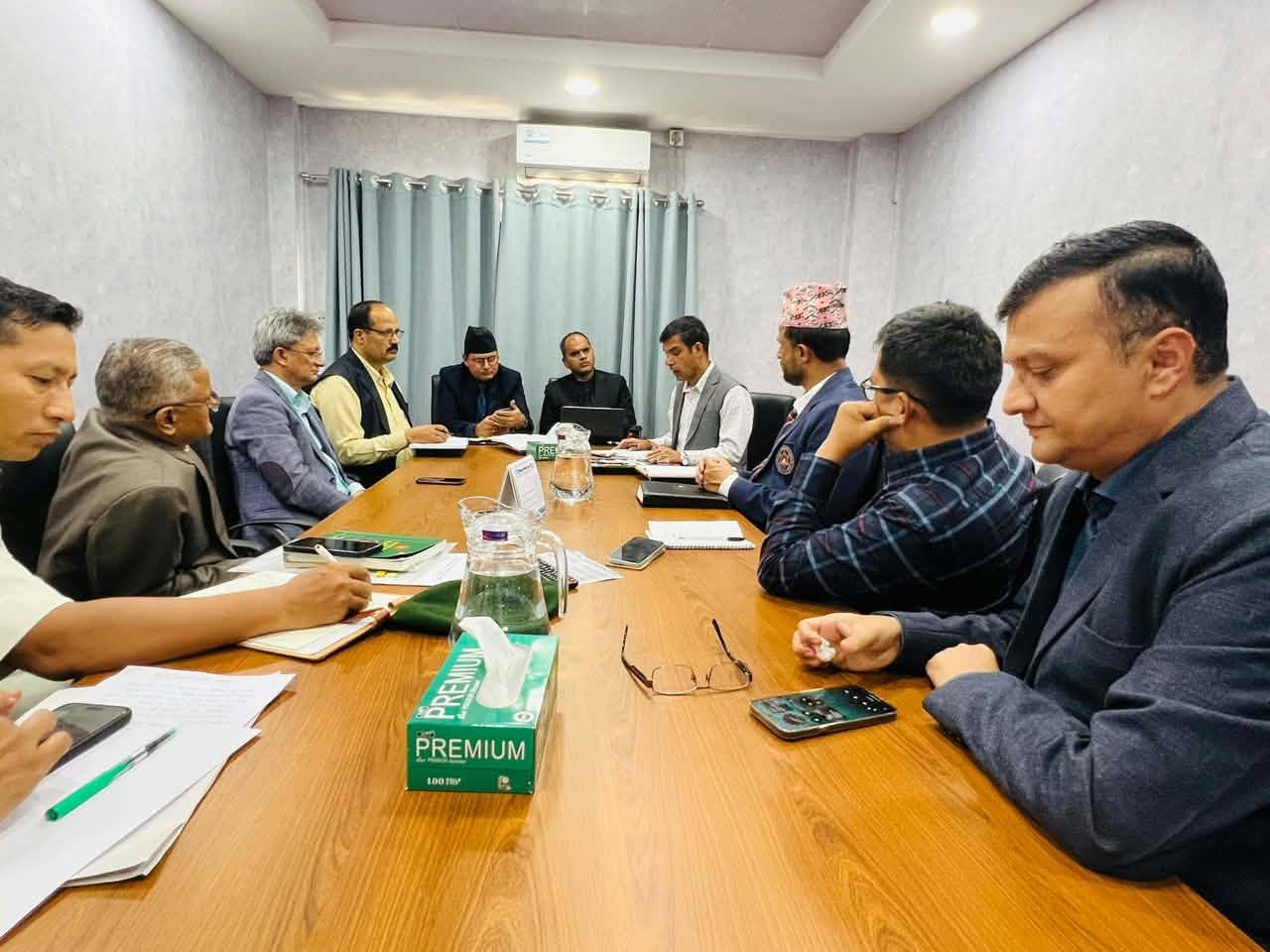
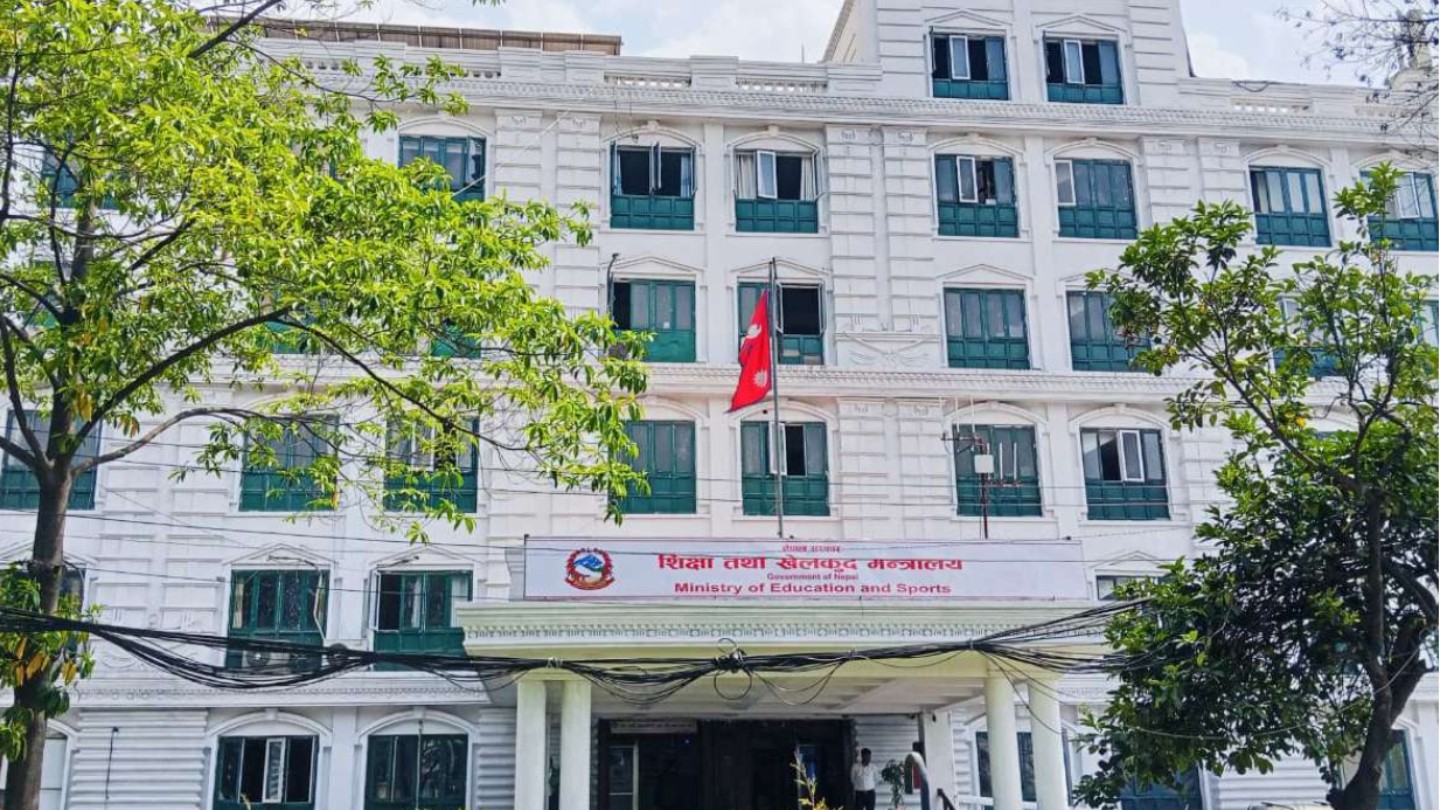
With this situation in mind, a team led by Sinja Rural Municipality Chairperson Purna Prasad Dhital recently reached Kathmandu. The team met Education Minister Mahabir Pun and demanded that Sinja Multiple Campus be made a constituent campus.
“This is the only higher education center in this area,” Dhital told the minister. “If we cannot protect it, the students’ future will be in darkness.”
During the meeting, Minister Pun expressed a commitment to prioritize the campus. The team also went to the University Grants Commission to demand sanctioned teaching posts.
However, residents of Sinja say they have been forced to hear such commitments many times before. Located along the Nagma–Gamgadi road section of the Karnali Highway, this campus could have become a hub linking tourism, history, and education. Now, many travelers passing along the road reportedly mock the campus when they see it.
The dream seen fifteen years ago has now become a question. Will Sinja Multiple Campus once again echo with students’ voices, or will it remain only a historical example of state neglect? The answer will come not through assurances, but through implementation.


Comments 0
No comments yet. Be the first to start the conversation.