Chitwan College of Cookery offers culinary training in Bharatpur-07, Chitwan. Its course options are Certificate III in Commercial Cookery, customized short-term culinary courses, Bakery, and Barista. The courses cover commercial kitchen preparation, cuisine-focused short programs, bread and patisserie preparation, and espresso coffee service.
The available course details cover duration, entry requirements, delivery format, learning resources, internship exposure, work settings, and contact information.
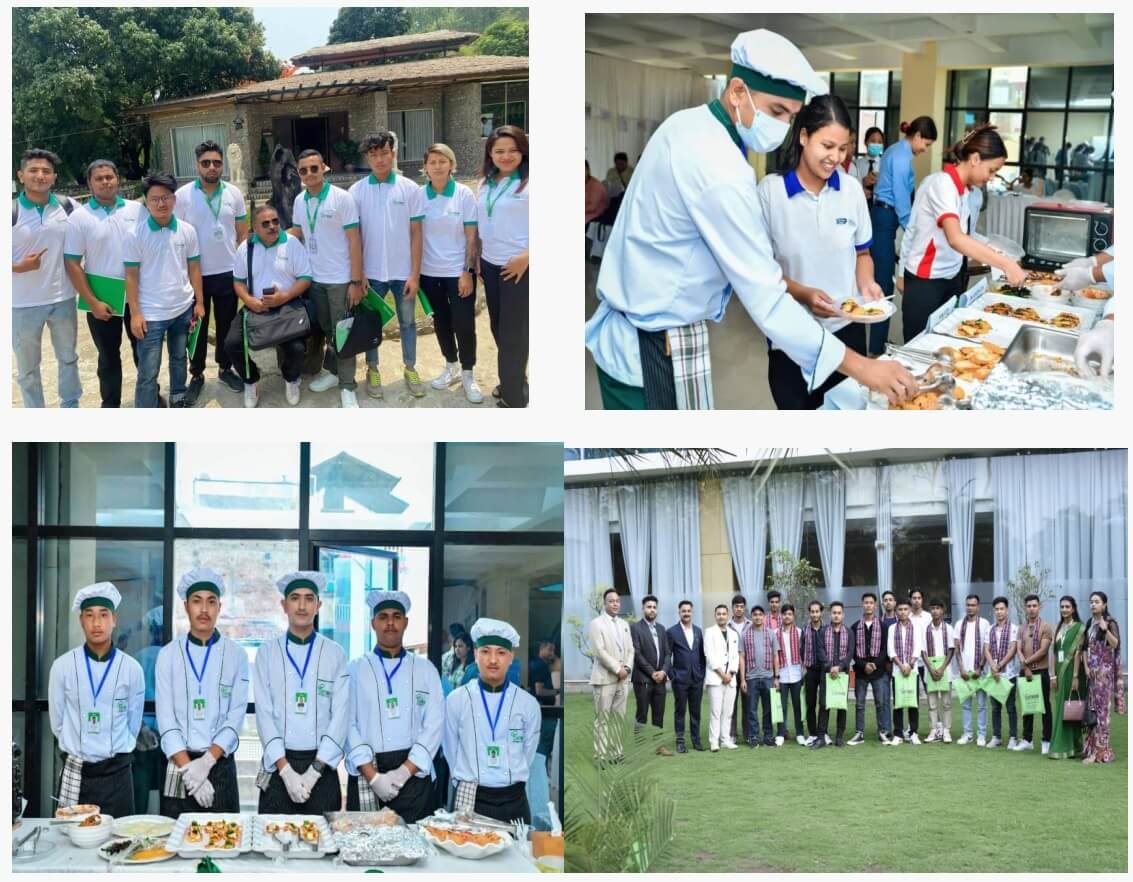
College: Chitwan College of Cookery
Location: Bharatpur-07, Chitwan
Main Course: Certificate III in Commercial Cookery
Course Mode: Full time
Commercial Cookery Duration: 6 months hands-on practical and 6–12 months internship
Eligibility: SEE / +2 Graduates or Equivalent; must be over 18 years of age
Short-Term Course Duration: 4 to 12 weeks
Bakery Course Duration: 6–9 weeks
Barista Course Duration: 3–4 weeks
Certificate III in Commercial Cookery is the main long-term course at Chitwan College of Cookery. The course is an introductory-level program for students who want to start working in kitchens or continue further study in the culinary field.
The course is offered full time. It includes 75% practical learning and 25% theory. The duration includes 6 months of hands-on practical learning and 6–12 months of internship.
Course Level: Certificate III
Course Mode: Full time
Duration: 6 months hands-on practical and 6–12 months internship
Practical-Theory Ratio: 75% practical and 25% theory
Eligibility: SEE / +2 Graduates or Equivalent
Age Requirement: Must be over 18 years of age
Resources: Online learning platform, resources for practical learning, and student loan assistance
The Certificate III in Commercial Cookery course structure includes 25 units: 22 core units and 3 elective units. Elective selection is guided by the job outcome sought, local industry requirements, and the skill level of the qualification.
The course covers the following areas:
Hygienic practices for food safety
Safe food handling practices
Menus for special dietary requirements
Safe work practices
Working effectively with others
Workplace diversity
Cakes, pastries, desserts and breads
Food preparation equipment
Work as a cook
Food preparation for special dietary requirements
Basic methods of cookery
Poultry dishes
Seafood dishes
Meat dishes
Appetizers and salads
Menu planning and costing
Stocks, sauces and soups
Environmentally sustainable work practices
Vegetable, fruit, egg and farinaceous dishes
Work health and safety practices
Conflict management
Elective units include Produce desserts, Coach others in job skills, and Prepare and monitor budgets.
Named work settings for the Commercial Cookery qualification include restaurants, hotels, clubs, pubs, cafes, cafeterias, event catering organizations, airlines, hospitals, student accommodation areas, industry cafeterias, and corporate organizations.
Career outcomes named for the program include:
Commis Chef
Cook
Assistant cook
Chitwan College of Cookery offers customized short-term culinary courses with a duration of 4 to 12 weeks. These courses are listed in the following areas:
Continental
Chinese
Japanese
Mexican
Thai
Indian
Italian
Bakery
These courses are shorter culinary training options for learners seeking preparation in selected cuisine and kitchen areas.
The Bakery Course teaches the skills and requirements of preparing and serving bread and patisserie items for real customers in a live retail environment. It includes practical and theory training within a simulated cafe environment.
Duration: 6–9 weeks
Work Settings: Hotels, cafes, and restaurants
Resources: Courseware/handouts
Class Plan: On-college classroom-based delivery and simulated real-workplace training environment
Entry Requirements: There are no entry requirements for this qualification
Qualification: National statement of attainment from Chitwan College of Cookery upon successful completion
Practical Experience: Direct practical experience is available to complement vocational preparation
Students are required to wear correct clothing and footwear to meet Workplace Health and Safety standards. Units completed in the course do not provide credit recognition for further study towards other qualifications.
The Barista Course teaches the skills and requirements of making and serving espresso coffee. It includes practical and theory training within a simulated cafe environment.
Duration: 3–4 weeks
Work Settings: Hotels, cafes, and restaurants
Resources: Courseware/handouts
Class Plan: On-college classroom-based delivery and simulated real-workplace training environment
Entry Requirements: There are no entry requirements for this qualification
Qualification: National statement of attainment from Chitwan College of Cookery upon successful completion
Practical Experience: Direct practical experience is available to complement vocational preparation
Students are required to wear correct clothing and footwear to meet Workplace Health and Safety standards. Units completed in the course do not provide credit recognition for further study towards other qualifications.
The Certificate III in Commercial Cookery course follows a 75% practical and 25% theory format. Bakery and Barista include practical and theory training within a simulated cafe environment.
Commercial Cookery students have access to an online learning platform, resources for practical learning, and student loan assistance. Bakery and Barista students receive courseware or handouts.
Certificate III in Commercial Cookery includes a 6–12 month internship period after 6 months of hands-on practical learning. The long-term course is connected with TAJSATS, India.
Bakery and Barista course details include direct practical experience to complement vocational preparation. Internship and job assistance are connected with Hospitality Solutions.
College: Chitwan College of Cookery
Location: Bharatpur-07, Chitwan
Phone: +977-056-494666
Email: chitwancookery@gmail.com
Social Media: chitwancookery, chitwan_college_of_cookery
Website: www.chitwancookery.com
Chitwan College of Cookery offers Certificate III in Commercial Cookery, customized short-term culinary courses, Bakery, and Barista.
Certificate III in Commercial Cookery includes 6 months of hands-on practical learning and 6–12 months of internship.
Applicants must be SEE / +2 Graduates or Equivalent and must be over 18 years of age.
Short-term course areas include Continental, Chinese, Japanese, Mexican, Thai, Indian, Italian, and Bakery. The duration is 4 to 12 weeks.
The Bakery Course duration is 6–9 weeks. It includes practical and theory training within a simulated cafe environment.
The Barista Course duration is 3–4 weeks. It focuses on making and serving espresso coffee through practical and theory training in a simulated cafe environment.
Upon successful completion, students are issued a national statement of attainment from Chitwan College of Cookery.
Named work settings include restaurants, hotels, clubs, pubs, cafes, cafeterias, event catering organizations, airlines, hospitals, student accommodation areas, industry cafeterias, and corporate organizations.

.jpg)