



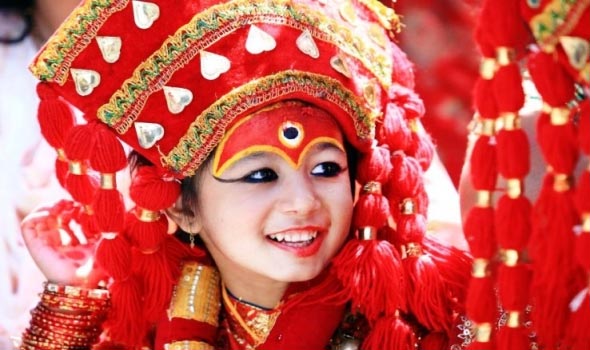
Nepali culture reflects centuries of interaction among different communities, religious traditions, languages, and ways of life. From the temples and historic settlements of the Kathmandu Valley to the festivals, music, food, and customs of the Himalayan mountains, hills, and Terai plains, Nepal's cultural identity is shaped by both shared traditions and regional differences.
Hinduism and Buddhism have influenced much of Nepal's religious and artistic heritage. However, understanding Nepali culture requires looking beyond these two religions. Indigenous beliefs, community-specific practices, local languages, agricultural traditions, and historical relationships with neighboring regions also contribute to the country's cultural diversity.
Nepal is not culturally uniform. Customs surrounding marriage, festivals, food, worship, clothing, and community gatherings vary across ethnic groups, geographical regions, and individual families.
This article examines the historical foundations of Nepali culture, the influence of religion, major festivals, ethnic traditions, traditional arts, and the continuing efforts to preserve cultural heritage.
Table of Content
- Historical Background of Nepali Culture
- Religious Traditions and Their Cultural Influence
- Major Festivals and Celebrations in Nepal
- Ethnic Diversity and Cultural Traditions
- Traditional Art, Architecture, and Craftsmanship
- Music, Dance, and Oral Traditions
- Traditional Nepali Food and Regional Cuisine
- Language and Cultural Identity in Nepal
- Modernization and Changes in Nepali Cultural Practices
- Preservation of Nepal's Cultural Heritage
- Understanding and Respecting Nepali Cultural Practices
- The Continuing Importance of Nepali Culture
Historical Background of Nepali Culture
Nepal's cultural history developed through interactions among communities living in the Himalayan region, the middle hills, the Kathmandu Valley, and the southern plains. Its geographical position between China and India also contributed to the movement of religious ideas, artistic traditions, goods, and cultural practices.
The Kathmandu Valley became an important center of political, religious, and artistic activity. Different ruling dynasties supported the construction of temples, palaces, monasteries, public squares, and religious monuments.
The Licchavi and Malla periods were particularly significant in the development of the valley's architectural and artistic traditions. Religious monuments, inscriptions, sculptures, and historic settlements provide evidence of the cultural achievements associated with these periods.
According to UNESCO, Hindu and Buddhist traditions contributed to a distinctive artistic and architectural heritage, particularly between the 16th and 18th centuries.
The unification of Nepal under the Shah dynasty in the 18th century brought previously separate kingdoms and territories into a larger political structure. However, communities retained many of their own languages, religious traditions, and cultural practices.
Nepal's political identity subsequently changed. The country was historically governed as a Hindu monarchy, but Parliament declared Nepal secular in 2006. The monarchy ended in 2008, and the Constitution of Nepal adopted in 2015 established the country as a secular federal democratic republic.
These political developments form part of the historical context in which Nepal's religious and cultural diversity is understood. The country's constitutional framework recognizes its multiethnic, multilingual, multireligious, and multicultural character.
Religious Traditions and Their Cultural Influence
Religion influences festivals, architecture, life-cycle ceremonies, household customs, and community relationships in Nepal. Hinduism and Buddhism are particularly prominent, but Nepal also includes followers of Islam, Christianity, Kirat traditions, Jainism, Sikhism, Bon, and other religious and indigenous belief systems.
Religious practices differ among communities, and some traditions incorporate elements associated with more than one religious system.
Hinduism in Nepali Culture
Hinduism is the religion followed by the largest share of Nepal's population. Its influence appears in temples, household worship, pilgrimage traditions, seasonal festivals, and ceremonies marking important stages of life.
Deities such as Shiva, Vishnu, Durga, and Ganesh occupy significant places in Hindu religious practice. Their worship may involve offerings, prayers, fasting, and participation in community festivals.
Several major Nepali festivals, including Dashain, Tihar, and Teej, have strong connections with Hindu religious traditions.
Pashupatinath Temple in Kathmandu is an important center of Shiva worship. Other temples, family shrines, and sacred sites serve religious and social functions within local communities.
However, Hindu customs are not identical throughout Nepal. Ritual practices can differ according to regional traditions, community identities, family customs, and religious interpretations.
Buddhism in Nepali Culture
Buddhism has a longstanding presence in Nepal and has influenced religious practice, architecture, philosophy, painting, and sculpture.
Lumbini, located in Nepal's southern plains, is recognized as the birthplace of Siddhartha Gautama, the Buddha. The site contains archaeological remains, sacred monuments, and places associated with Buddhist pilgrimage.
UNESCO inscribed, on the World Heritage List in 1997 because of its religious and archaeological significance.
Buddhist traditions in Nepal include forms of Vajrayana Buddhism practiced among Newar communities and Tibetan Buddhist traditions associated with several Himalayan communities.
Monasteries, stupas, prayer flags, ritual objects, and religious paintings are visible expressions of these traditions.
Swayambhunath and Boudhanath in the Kathmandu Valley are important Buddhist religious sites. Their significance extends beyond architecture because they remain active places of worship and pilgrimage.
Shared Religious Traditions
Hinduism and Buddhism have influenced one another in parts of Nepal, particularly in the Kathmandu Valley.
Some sacred places attract followers of both religions, while certain deities, festivals, and ritual traditions have interpretations within more than one religious framework.
UNESCO identifies the coexistence and interaction of Hinduism, Buddhism, indigenous beliefs, and Tantric practices as an important characteristic of Kathmandu Valley heritage.
This historical interaction does not mean that the religions are identical or that every community practices them in the same way. Each has distinct teachings, traditions, and forms of worship.
Major Festivals and Celebrations in Nepal
Festivals are central to Nepali cultural life. They bring together religious observance, family relationships, seasonal traditions, food preparation, music, and community participation.
Some celebrations are observed across much of Nepal, while others are closely associated with particular ethnic groups or regions.
Dashain
Dashain is one of Nepal's major Hindu festivals and is widely associated with the worship of Goddess Durga and the victory of good over evil.
The festival extends over approximately two weeks, with particular importance attached to its first ten days.
During Dashain, many families gather for religious ceremonies, shared meals, and visits to relatives. Elders traditionally offer tika and jamara to younger family members as blessings.
For families whose members live in different locations, Dashain can provide an important opportunity for reunion.
Celebrations differ across communities. Although Dashain has broad national significance, not all Nepalis observe it in the same way or participate in its religious practices.
Tihar
Tihar, also called Deepawali in Nepal, is a festival associated with light, worship, family relationships, and expressions of gratitude.
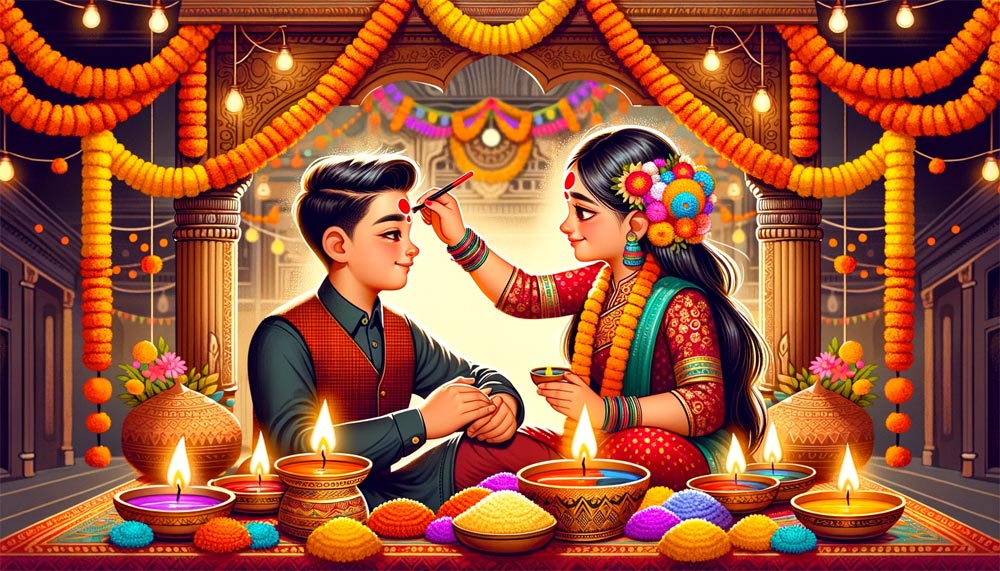
Homes and public spaces may be decorated with lamps, flowers, and colorful designs.
Different days of Tihar are associated with the honoring of crows, dogs, cows, and the worship of Goddess Lakshmi. Bhai Tika, an important part of the festival, celebrates relationships between brothers and sisters.
Deusi and Bhailo performances are another recognizable feature, with groups visiting homes to sing traditional songs.
Among Newar communities, Mha Puja, a ritual associated with self-purification and renewal, is observed during the Tihar period. Nepal Sambat New Year celebrations also take place around this time.
Holi
Holi is a Hindu spring festival associated with the arrival of warmer weather and the celebration of good over evil.
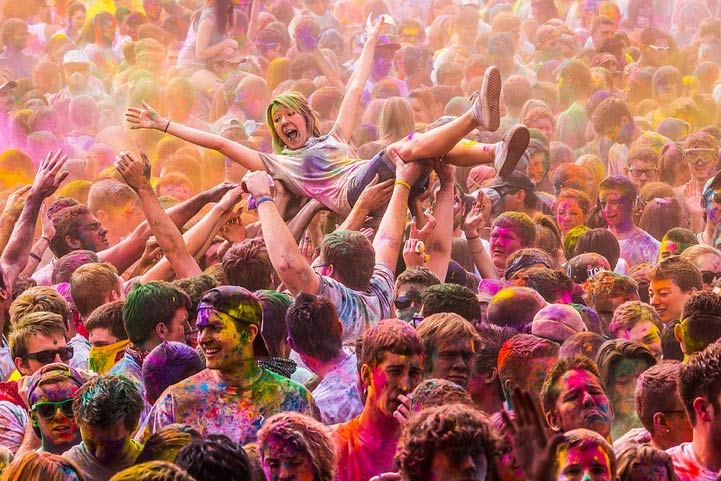
People commonly celebrate by applying colored powder, gathering with friends and relatives, and participating in community activities.
The festival is generally observed on different days in Nepal's hill and Terai regions.
Although public celebrations often receive attention for their colors and festivities, Holi also has religious and cultural meanings that vary among communities.
Gai Jatra
Gai Jatra is closely associated with Newar communities, particularly in the Kathmandu Valley.
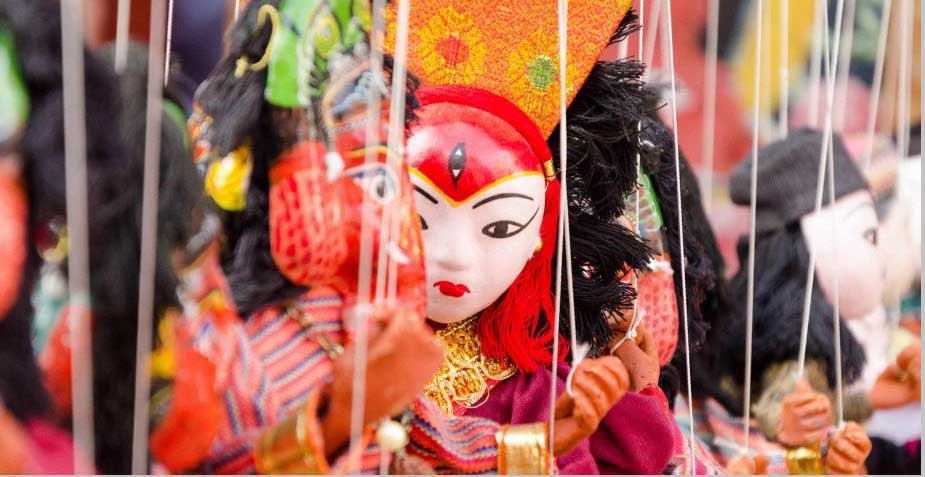
The festival provides an occasion for families to remember relatives who have died during the preceding year.
Processions may feature people dressed as cows or participating in symbolic representations associated with the festival's traditions.
Humor, satire, music, and public performances are also important features of Gai Jatra in parts of the Kathmandu Valley.
Its combination of remembrance and community expression distinguishes it from festivals primarily associated with seasonal worship or agricultural celebrations.
Other Community Festivals
Nepal's festival calendar extends well beyond Dashain, Tihar, Holi, and Gai Jatra.
-
Indra Jatra is associated with Newar traditions in Kathmandu and includes processions, masked dances, and ceremonies involving Kumari, the Living Goddess.
-
Tamu Lhosar marks the New Year among Gurung communities.
-
Sonam Lhosar is observed by Tamang communities and others following associated cultural traditions.
-
Maghi has particular cultural significance among Tharu communities, while Maghe Sankranti is observed more broadly under different traditions.
-
Chhath is an important festival of sun worship, especially among communities in the Terai.
-
Buddha Jayanti commemorates the birth of the Buddha and is observed by Buddhist communities and other devotees.
Festival dates frequently follow lunar or traditional calendars. Their corresponding dates in the Gregorian calendar can change from year to year.
These celebrations demonstrate how Nepali cultural life includes religious, agricultural, historical, and community-specific traditions.
Ethnic Diversity and Cultural Traditions
Nepal is home to numerous caste, ethnic, linguistic, and cultural communities. Their histories and traditions contribute to the country's broader identity.
The Nepal Tourism Board (NTB) identifies communities living across the mountains, hills, valleys, and Terai, including Gurung, Tamang, Newar, Magar, Tharu, Rai, Limbu, and many others.
Ethnic identities cannot be reduced to a single occupation, festival, costume, or religious belief. Practices vary within communities, and migration, education, urbanization, and family circumstances influence how traditions are maintained.
Gurung Community
Gurung communities, also known as Tamu, have historical roots in Nepal's middle hills, particularly in western regions.
Their cultural heritage includes distinctive music, dance, ceremonial practices, oral traditions, and forms of community organization.
Traditional performances such as Ghatu or Ghantu are associated with Gurung cultural practices in particular localities.
Tamu Lhosar is an important cultural celebration marking the New Year. Gatherings may include religious observances, traditional clothing, music, dance, and shared meals.
Gurung communities also maintain diverse religious traditions, including Buddhist and indigenous practices.
Tamang Community
Tamang communities have a longstanding presence in the hills surrounding the Kathmandu Valley and other parts of central Nepal.
Their cultural practices include Buddhist religious traditions, community ceremonies, oral narratives, music, and dance.
Tamang Selo is a recognized musical tradition, commonly associated with the damphu, a circular frame drum.
Sonam Lhosar is an important celebration in Tamang cultural life. It provides an occasion for family gatherings, religious observances, and community events.
While shared traditions contribute to Tamang identity, local differences remain important.
Newar Community
Newar communities have played a significant role in the cultural history of the Kathmandu Valley.
Their traditions are closely associated with historic urban settlements, architecture, religious monuments, metalwork, woodcarving, festivals, and culinary practices.
Newar religious life includes both Hindu and Buddhist traditions, with distinct rituals and community institutions.
The Newar language, also known as Nepal Bhasa, is an important part of this cultural heritage.
Festivals such as Indra Jatra, Gai Jatra, Mha Puja, and Yomari Punhi illustrate different aspects of Newar religious and social life.
Newar cuisine includes dishes such as yomari, bara, and various preparations served during festivals and family ceremonies.
The community's artistic contributions are visible in the carved windows, temple structures, courtyards, and metal sculptures preserved throughout the Kathmandu Valley.
Tharu Community
Tharu communities have historical roots in Nepal's Terai plains.
Their cultural practices are connected with local environments, agriculture, seasonal celebrations, community gatherings, and distinctive artistic traditions.
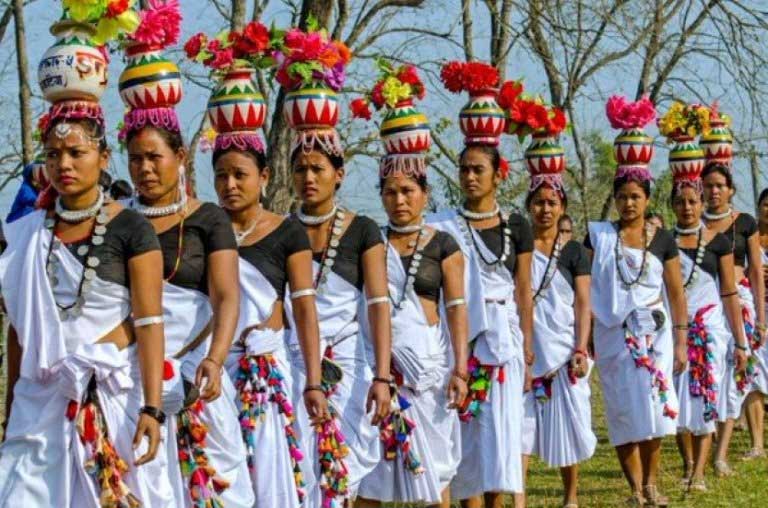
Maghi is an important celebration for many Tharu communities and is associated with renewal, family gatherings, and community activities.
Traditional dance forms, decorative wall art, and locally prepared foods also contribute to Tharu cultural identity.
The NTB documents examples of traditional housing, decorative arts, dances, food, and community celebrations.
However, Tharu traditions vary across geographical areas, and the practices associated with one locality should not be treated as representative of every Tharu community.
Traditional Art, Architecture, and Craftsmanship
Nepal's artistic heritage includes religious sculpture, woodcarving, metalwork, paintings, textiles, pottery, and traditional building techniques.
These forms of expression often serve practical or ceremonial purposes rather than functioning solely as decorative art.
Architecture and Historic Monuments
The Kathmandu Valley contains important examples of traditional Nepali architecture.
UNESCO's Kathmandu Valley World Heritage property comprises seven monument zones:
-
Kathmandu Durbar Square
-
Patan Durbar Square
-
Bhaktapur Durbar Square
-
Swayambhunath
-
Boudhanath
-
Pashupatinath
-
Changu Narayan
Together, these sites illustrate the development of Hindu and Buddhist religious architecture, palace complexes, historic public spaces, and traditional craftsmanship.
Pagoda-style temples, carved wooden windows, brick structures, courtyards, and stone sculptures are recognizable elements of the valley's historic architecture.
Many of these places remain part of daily religious and community life.
Traditional Painting and Handicrafts
Religious paintings and handcrafted objects are important expressions of Nepali cultural knowledge.
Paubha painting, associated particularly with Newar artistic traditions, depicts Buddhist and Hindu religious subjects through established artistic conventions.
Thangka painting is associated with Tibetan Buddhist artistic traditions and is also produced and used in Nepal.
Traditional crafts include metal statues, ritual objects, carved wooden architectural elements, woven fabrics, pottery, and handmade decorative items.
Producing these objects requires specialized knowledge that may be transmitted through family workshops, apprenticeships, or other forms of training.
Their cultural importance extends beyond commercial value. Religious objects, architectural components, and ceremonial textiles can carry meanings connected with worship, identity, and community history.
Music, Dance, and Oral Traditions
Music and dance are important parts of festivals, religious ceremonies, weddings, and community celebrations.
Nepal has numerous regional and community-specific musical traditions, each with its own styles, instruments, and performance settings.
The madal, a double-headed drum, is widely associated with Nepali folk music. Other instruments include the sarangi, bansuri, damphu, and various cymbals and percussion instruments.
Different traditions use these instruments in different ways.
For example, Tamang Selo performances are associated with the damphu, while Newar ceremonial music includes distinctive ensembles and percussion traditions.
Folk songs may communicate stories about relationships, agricultural life, migration, religious devotion, and community history.
Traditional dance can also carry religious or narrative meanings. Masked dances performed during particular festivals differ in purpose from dances associated with social gatherings.
Oral traditions remain another important means of transmitting cultural knowledge. Stories, religious narratives, songs, and community histories can preserve meanings that written accounts do not fully capture.
Understanding these traditions requires attention to their cultural settings rather than viewing every performance as entertainment alone.
Traditional Nepali Food and Regional Cuisine
Nepali food reflects geographical conditions, agricultural practices, community traditions, and historical cultural exchanges.
Rice, lentils, vegetables, grains, and locally available ingredients form the basis of many meals, although eating habits vary considerably across regions.
Dal bhat tarkari, consisting of lentils, rice, and vegetables, is a familiar meal in many Nepali households.
Other commonly encountered foods include dhido, roti, momo, and achar. Their preparation and importance differ according to locality and household tradition.
Regional cuisines provide additional examples of cultural diversity.
Newar cuisine includes distinctive ceremonial foods and dishes associated with festivals. Yomari, a steamed rice-flour preparation with sweet filling, is especially associated with Yomari Punhi.
Tharu cuisine includes preparations such as dhikri, a steamed rice-flour food, alongside other locally specific dishes.
Food also plays an important role in hospitality and family relationships. Meals prepared during festivals may carry symbolic meanings or follow customary practices.
Not every Nepali household follows the same dietary customs. Religious traditions, personal choices, geography, and access to ingredients all influence food practices.
Language and Cultural Identity in Nepal
Language is an important part of Nepal's cultural diversity because it carries oral history, literature, songs, religious knowledge, and community identity.
Nepali, written in the Devanagari script, is the country's official language at the federal level.
However, Nepali is not the mother tongue of every citizen. Other languages spoken in Nepal include Maithili, Bhojpuri, Tharu, Tamang, Nepal Bhasa, Magar, Gurung, and numerous additional languages.
The Constitution of Nepal recognizes all mother tongues spoken in the country as national languages.
Language preservation matters because some cultural practices depend on words, expressions, stories, and ritual meanings that cannot be transferred fully into another language.
Traditional songs, oral narratives, and community ceremonies may lose aspects of their original meaning when the language through which they are transmitted is no longer widely understood.
Families, community organizations, writers, educators, and cultural institutions can contribute to language continuity through everyday use, documentation, teaching, and creative expression.
Preservation does not require communities to avoid other languages. Multilingualism can exist alongside the continued use of a community's mother tongue.
Modernization and Changes in Nepali Cultural Practices
Nepali culture continues to change as communities respond to migration, urban development, education, communication technology, and changing social relationships.
These changes affect how traditions are learned, practiced, and passed between generations.
For example, families living away from their ancestral communities may adapt festival celebrations to different schedules or locations.
Traditional performances may take place in community centers or organized cultural events rather than exclusively in their historical settings.
Digital recordings and online communication can also provide ways to document music, language, festivals, and oral traditions.
However, cultural change creates challenges for practices that depend on specialized skills, ceremonial knowledge, or direct participation.
A traditional craft may require years of training, access to materials, and sufficient opportunities for practitioners to continue their work.
Similarly, community rituals may depend on particular spaces, relationships, or forms of local organization.
It would be misleading to assume that modernization necessarily causes cultural disappearance. Some traditions decline, others change, and some acquire new forms of expression.
The central issue is whether communities retain meaningful opportunities to practice, transmit, and adapt their cultural knowledge.
Preservation of Nepal's Cultural Heritage
Cultural preservation involves protecting physical heritage while supporting the people, skills, and traditions that give it meaning.
Physical heritage includes monuments, temples, historic settlements, sculptures, and archaeological remains.
Intangible cultural heritage includes practices such as music, storytelling, rituals, festivals, traditional craftsmanship, and knowledge transmitted within communities.
Both require attention, but their preservation needs differ.
Protection of Historic Sites
Nepal's Department of Archaeology, local authorities, heritage organizations, and international partners participate in various conservation activities.
UNESCO's work at the Kathmandu Valley and Lumbini illustrates the importance of documentation, conservation planning, and appropriate management of historic sites.
The UNESCO lists Kathmandu Valley and Lumbini among Nepal's inscribed cultural World Heritage properties.
Preservation requires more than repairing damaged structures. Historic buildings may depend on traditional construction techniques, suitable materials, and an understanding of their religious or community functions.
Urban development, environmental conditions, and disasters can complicate conservation.
Protecting Living Cultural Traditions
Living traditions depend on people who continue to practice and transmit them.
Community involvement is therefore important in decisions concerning festivals, languages, religious ceremonies, and traditional arts.
Documentation can help record knowledge, but it cannot fully replace active practice.
For example, recording a traditional dance preserves information about its movements and music. Maintaining the tradition also requires opportunities for performers to learn its social meaning and practice within an appropriate cultural setting.
Likewise, preserving a traditional language involves more than compiling vocabulary. Continued use in families, community activities, literature, and education contributes to its survival.
Cultural preservation should also respect the right of communities to change their practices. Maintaining heritage does not mean requiring every generation to reproduce customs without adaptation.
Understanding and Respecting Nepali Cultural Practices
For readers unfamiliar with Nepal, understanding cultural diversity is essential to interpreting traditions accurately.
A festival observed in one community may have different meanings elsewhere. A religious site may welcome visitors to certain areas while restricting access to spaces reserved for worship.
Some practices may also differ between public ceremonies and private family observances.
A respectful approach includes several practical considerations:
-
Learn the local name and meaning of a festival or ceremony rather than assuming it represents all Nepali communities.
-
Follow instructions concerning footwear, photography, dress, and access at religious sites.
-
Seek permission before photographing people during private or sensitive ceremonies.
-
Recognize that traditional clothing and performances may have ceremonial importance beyond their visual appearance.
-
Avoid treating a single village, religious tradition, or ethnic community as representative of Nepal as a whole.
The Nepal Tourism Board explains that customs vary across regions and that visitors may encounter different expectations at homes and religious sites.
Understanding these differences supports a more accurate appreciation of Nepal's cultural heritage.
The Continuing Importance of Nepali Culture
Nepali culture is shaped by the interaction of religious beliefs, community histories, languages, artistic traditions, and everyday social practices.
Hinduism and Buddhism have made substantial contributions to the country's heritage, but they represent only part of a broader cultural history that includes indigenous traditions and numerous ethnic and linguistic communities.
Festivals such as Dashain, Tihar, Gai Jatra, and Lhosar celebrations demonstrate how cultural practices express different relationships with religion, family, remembrance, and community identity.
Traditional architecture, craftsmanship, music, food, and language further illustrate the variety of cultural knowledge maintained across Nepal.
Preserving this heritage requires attention to historic monuments and continued support for living traditions. It also requires recognizing that cultural identities are neither fixed nor identical across communities.
Nepal's cultural heritage is best understood as a collection of interconnected traditions that have developed over generations and continue to be practiced, interpreted, and adapted by the people who maintain them.







Comments 0
No comments yet. Be the first to start the conversation.