




Education and entrepreneurship are connected through knowledge, skills, research, practical experience, and problem-solving. Educational institutions prepare learners to examine needs, assess ideas, organise resources, and work with others. Entrepreneurs and external organisations, in turn, expose schools, colleges, and universities to changing technologies, workplace practices, market conditions, and community needs.
This relationship is not limited to teaching students how to establish a business. Entrepreneurship education can help learners create economic, social, cultural, or public value through businesses, community projects, research, public institutions, and existing organisations. The European Commission’s EntreComp framework treats entrepreneurship as a lifelong competence based on turning ideas and opportunities into value for others.
Table of Content
- Historical Development of Entrepreneurship Education
- How Education and Entrepreneurship Influence Each Other
- What Entrepreneurship Education Covers
- How Education Supports Entrepreneurial Development
- How Entrepreneurship Contributes to Education
- Entrepreneurship at Different Levels of Education
- Role of Incubation Centres
- Benefits of Including Entrepreneurship in Education
- Limits of Entrepreneurship Education
- Challenges for Educational Institutions
- Principles for Responsible Entrepreneurship Education
- Conclusion
Historical Development of Entrepreneurship Education
Entrepreneurship was once taught mainly through subjects related to business ownership, small-business management, and venture creation. Formal academic study expanded as institutions began examining innovation, opportunity recognition, financing, management, and the conditions affecting new enterprises.
Harvard Business School states that it offered the first entrepreneurship course at a United States business school in 1947. This is a documented milestone in American business education, although it should not be described as the first entrepreneurship course offered anywhere in the world.
Entrepreneurship education later moved beyond business schools. It is now used in areas such as engineering, agriculture, science, technology, health, vocational education, arts, and the social sciences. This change reflects a broader view of entrepreneurship as the ability to recognise a problem, develop a response, mobilise resources, and learn from the result.
Students seeking a focused introduction may begin with an entrepreneurship course, while institutions may include entrepreneurial learning within broader academic or technical programs.

How Education and Entrepreneurship Influence Each Other
The relationship works in both directions.
Education supports entrepreneurship by providing:
-
subject knowledge;
-
analytical and problem-solving abilities;
-
communication and teamwork experience;
-
access to research, laboratories, and technical facilities;
-
opportunities to test ideas;
-
contact with teachers, mentors, graduates, and external organisations; and
-
an environment in which learners can examine failure without facing the full consequences of an operating business.
Entrepreneurship supports education by providing:
-
practical problems for student projects;
-
information about changing occupations and technologies;
-
internships and work-based learning;
-
industry and community partnerships;
-
feedback on curriculum relevance;
-
mentoring and guest teaching; and
-
opportunities to apply research outside the institution.
The relationship is most useful when it remains educational rather than promotional. External partners may contribute knowledge and experience, but institutions must retain control over academic standards, assessment, student protection, research independence, and conflicts of interest.
What Entrepreneurship Education Covers
Entrepreneurship education may teach about entrepreneurship, prepare learners for entrepreneurial activity, or teach through practical entrepreneurial projects. These approaches serve different purposes and should not be treated as interchangeable.
A theory-based course may examine business models, finance, management, regulation, and entrepreneurial behaviour. A practical course may ask learners to identify a problem, study potential users, estimate costs, test an idea, and revise it after receiving feedback.
The EntreComp framework groups entrepreneurial competence into three connected areas.
| Competence area | Main focus | Educational application |
|---|---|---|
| Ideas and opportunities | Identifying needs, evaluating ideas, creativity, vision, and ethical value | Learners examine whether a problem is worth addressing and who may benefit |
| Resources | Self-awareness, motivation, knowledge, people, finance, and other resources | Learners determine what an idea requires and whether it is realistic |
| Into action | Planning, teamwork, initiative, uncertainty, and learning from experience | Learners test, implement, review, and improve an idea |
These competencies are relevant to business creation, but they also apply to community initiatives, social enterprises, research projects, public services, and innovation within established organisations.
How Education Supports Entrepreneurial Development
1. Building subject knowledge
Entrepreneurial activity usually depends on knowledge of a particular field. A person developing an agricultural service, software product, health-related initiative, educational resource, or manufacturing process needs more than general business knowledge.
Schools, universities, and technical institutions provide the disciplinary foundation needed to understand problems, evaluate evidence, and develop workable responses. Entrepreneurship education is more credible when it is connected to this subject knowledge rather than taught as a collection of motivational slogans.
2. Developing practical competencies
Entrepreneurs may need to communicate clearly, work with different people, manage limited resources, evaluate evidence, make decisions under uncertainty, and respond to setbacks.
Education can create structured opportunities to practise these abilities. A learner may present an idea, calculate costs, divide responsibilities within a team, interview potential users, compare alternatives, or explain why a proposal should be revised.
A separate guide to the skills entrepreneurs need may help learners examine these competencies in greater detail. Completing a course, however, does not guarantee that every learner will develop them to the same level. Teaching quality, practice, feedback, personal circumstances, and access to resources also matter.
3. Connecting theory with practice
Entrepreneurship cannot be understood through lectures alone. Learners need opportunities to apply concepts to real or carefully designed situations.
Useful activities may include:
-
identifying a local or sector-specific problem;
-
interviewing intended users;
-
examining existing solutions;
-
preparing a basic budget;
-
developing a prototype;
-
testing assumptions;
-
presenting findings;
-
receiving critical feedback; and
-
documenting what changed during the project.
Practical learning should not be reduced to pitch competitions. A polished presentation does not prove that an idea is useful, ethical, financially workable, or supported by evidence.
4. Providing access to networks and facilities
Educational institutions can connect learners with teachers, researchers, graduates, employers, community organisations, professional bodies, and public agencies.
Universities may also provide laboratories, libraries, technical facilities, incubation services, intellectual-property guidance, or workspace. The OECD and European Commission’s HEInnovate initiative treats entrepreneurial teaching, knowledge exchange, institutional capacity, startup support, and impact measurement as connected parts of an entrepreneurial higher education institution.
Access to these resources is not always equal. Institutions should ensure that opportunities are not limited to students with personal contacts, financial support, or prior business experience.
5. Applying research outside the institution
Research may lead to new technologies, services, methods, policies, or organisational practices. Entrepreneurship can provide one route for applying research, particularly when a team develops a product, service, spin-off, or social enterprise.
Commercialisation is not the only useful outcome. Research may also create value through public policy, professional practice, open knowledge, community partnerships, and improvements within existing organisations.
How Entrepreneurship Contributes to Education
Entrepreneurs and external organisations can help institutions understand problems that may not yet be reflected in textbooks or established curricula. Their participation can make teaching more practical and expose learners to resource constraints, customer needs, regulation, workplace expectations, and changing technology.
They may contribute through:
-
work-based projects;
-
internships;
-
mentoring;
-
guest lectures;
-
curriculum consultation;
-
collaborative research;
-
technical demonstrations; and
-
feedback on student work.
This involvement requires safeguards. A business representative’s experience is not automatically objective evidence, and one company’s needs do not represent an entire sector. Institutions should compare external input with research, professional standards, public needs, and the long-term educational interests of students.
Entrepreneurship at Different Levels of Education
School education
At school level, entrepreneurial learning should be age-appropriate. It may help students practise initiative, teamwork, planning, responsible use of resources, communication, and reflection.
A project might involve identifying a community need, preparing a simple plan, organising a school activity, or presenting a possible solution. The educational purpose is to develop judgement and participation, not to pressure children to start businesses or treat business ownership as the preferred career path.
Technical and vocational education
Technical and vocational education can connect occupational competence with the practical requirements of self-employment or small-enterprise management.
A technically capable learner may also need to understand:
-
costing and record-keeping;
-
customer communication;
-
quality control;
-
workplace safety;
-
legal responsibilities;
-
procurement;
-
market conditions; and
-
basic financial planning.
The connection between vocational education and entrepreneurship is particularly relevant where graduates may work independently, join small enterprises, or provide specialised services. UNESCO describes technical and vocational education and training as a means of developing the knowledge, skills, values, and attitudes needed for work and wider participation in society.
Entrepreneurial content should complement technical competence rather than replace it. A learner cannot compensate for weak occupational skills with business terminology alone.
Higher education
Universities and colleges may provide entrepreneurship education through:
-
credited courses;
-
interdisciplinary projects;
-
research commercialisation;
-
mentoring;
-
incubation centres;
-
student enterprise programs;
-
external partnerships; and
-
competitions or demonstration events.
Students considering student entrepreneurship need more than encouragement. They need realistic information about time, academic responsibilities, costs, legal requirements, market demand, personal capacity, and the possibility that an idea may not work.
Different institutions require different approaches. Engineering, agriculture, health sciences, arts, teacher education, and business programs operate within different professional and ethical conditions. Entrepreneurship education should therefore be adapted to the discipline rather than copied from a standard business-school model.
Continuing and non-formal education
Entrepreneurial learning also takes place through short courses, community programs, workshops, professional training, and online study.
These formats may help people develop a particular skill or examine a business idea without entering a full academic program. Their quality varies, so learners should examine:
-
the provider’s identity;
-
the instructor’s qualifications;
-
the stated learning outcomes;
-
the relevance of the content;
-
the type of assessment;
-
the amount and transparency of fees; and
-
whether claims about funding, income, employment, or business success are supported.
Role of Incubation Centres
University incubation centres may provide workspace, mentoring, technical advice, networking, training, or support for developing a prototype. They can help students and researchers move from an early idea to a more informed decision.
Their educational role should be clearly defined. Incubators should not be judged only by the number of startups announced. Useful outcomes may also include:
-
identifying an unworkable idea before major resources are spent;
-
improving a prototype;
-
clarifying legal or ethical concerns;
-
connecting research with a public or community need;
-
developing teamwork and project-management abilities; and
-
helping a learner decide that business creation is not the right path.
Institutions should publish clear selection criteria and avoid giving privileged access to a small group without transparent reasons.
Benefits of Including Entrepreneurship in Education
When it is properly designed, entrepreneurship education may provide several educational benefits.
Practical application of knowledge
Learners can apply academic concepts to a defined problem rather than studying them only in theory.
Better understanding of uncertainty
Entrepreneurial projects require students to work with incomplete information, changing assumptions, and limited resources.
Improved collaboration
Projects may require learners from different disciplines to divide tasks, explain technical ideas, and make joint decisions.
Stronger connection with society and work
External projects can help learners understand how academic knowledge relates to community needs, public services, employment, and production.
More informed career decisions
Students may gain a realistic understanding of business ownership, self-employment, social enterprise, or innovation within an existing organisation. This may lead them toward entrepreneurship, but it may also help them decide that another pathway is more suitable.
Limits of Entrepreneurship Education
Entrepreneurship education can influence knowledge, confidence, competencies, and intentions, but its effects should not be overstated.
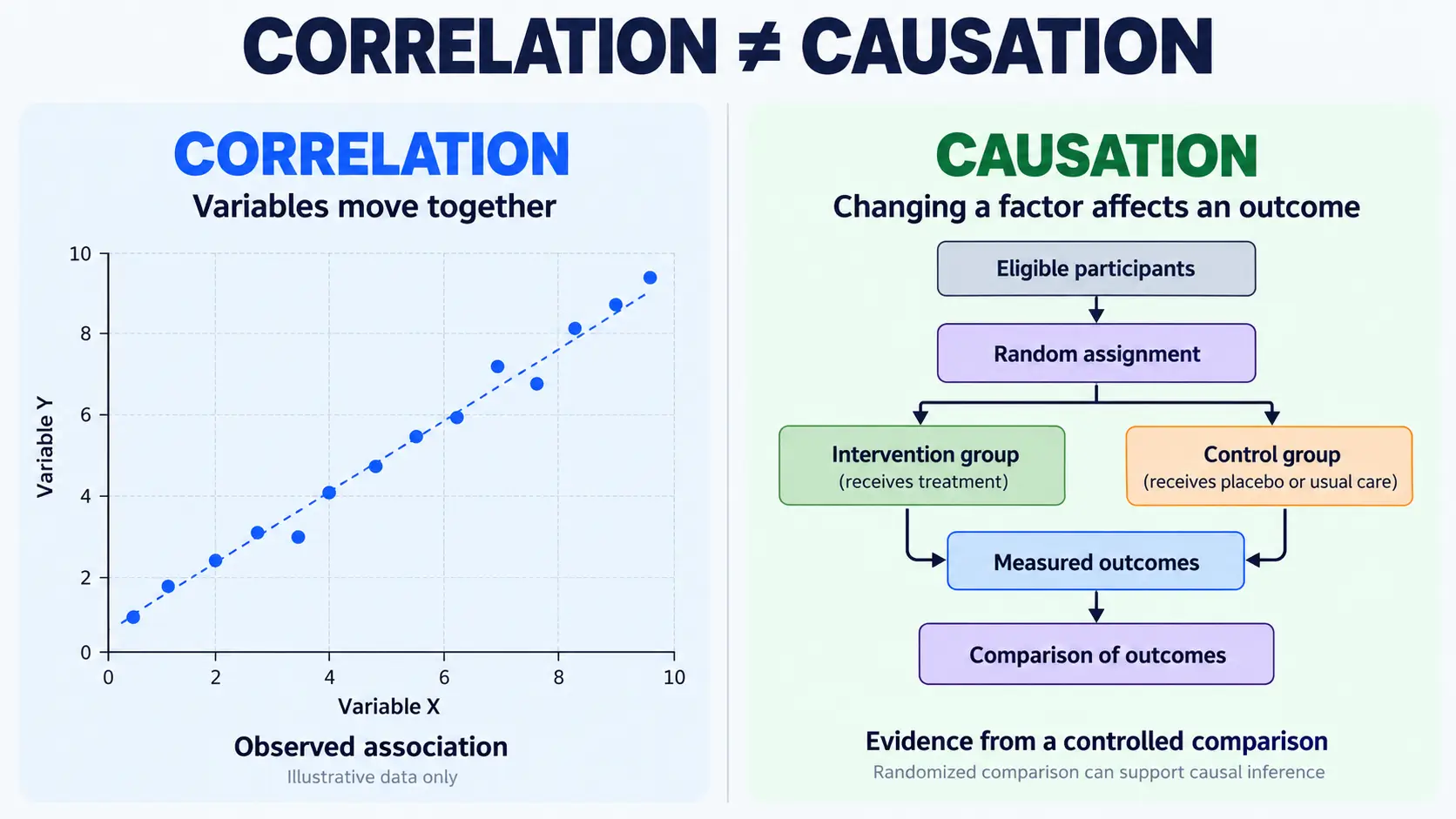
A 2013 meta-analysis reported a positive relationship between entrepreneurship education and entrepreneurship-related human capital and outcomes. A later meta-analysis focused on student samples found small positive effects on entrepreneurial intention and self-efficacy. These findings suggest that education can contribute to entrepreneurial development, but it does not determine whether a learner will establish or sustain a venture.
Business formation and survival are also affected by:
-
access to finance;
-
household circumstances;
-
infrastructure;
-
market demand;
-
regulation;
-
professional networks;
-
economic stability;
-
technology;
-
competition; and
-
previous work experience.
For this reason, the number of startups in a country cannot be explained by entrepreneurship education alone. Claims that one education system produces more successful entrepreneurs than another require evidence that accounts for these wider conditions.
Challenges for Educational Institutions
Keeping curricula relevant
Business practices and technologies change, but education should not follow every short-term trend. Institutions need a process for reviewing content while retaining durable knowledge and critical thinking.
Finding suitable teachers
Entrepreneurship education requires teaching ability as well as knowledge of business, innovation, or sector practice. Professional experience alone does not guarantee effective teaching.
Balancing theory and practice
A course based only on theory may feel disconnected from real decisions. A course based only on activities may leave students without the concepts needed to interpret what happened.
Assessing learning fairly
A successful business launch is not an appropriate requirement for passing an academic course. Assessment should examine research, reasoning, ethical judgement, planning, teamwork, testing, reflection, and the quality of revisions.
Ensuring equal access
Students do not begin with equal financial resources, professional networks, confidence, free time, or family support. Programs should not reward these advantages as though they were evidence of learning.
Avoiding commercial influence
Partnerships may add value, but they should not turn classrooms into marketing spaces or allow private organisations to control academic decisions.
Measuring long-term outcomes
Counting workshops, competitions, pitches, or registered startups provides limited information about educational quality. Institutions also need to examine what students learned, who gained access, whether projects were responsible, and what happened after the program ended.
Principles for Responsible Entrepreneurship Education
A credible program should:
-
define clear educational outcomes;
-
connect entrepreneurship with relevant subject knowledge;
-
use practical activities supported by evidence;
-
include ethical, legal, social, and environmental considerations;
-
allow students to test and revise ideas;
-
provide constructive feedback;
-
assess the learning process rather than presentation style alone;
-
offer fair access to mentoring and facilities;
-
distinguish education from business promotion;
-
avoid promises about income, employment, funding, or success; and
-
review outcomes regularly.
Institutions should also recognise that not every learner needs to become a founder. Entrepreneurship education can still be useful when it improves problem-solving, initiative, judgement, collaboration, or the ability to contribute within an existing organisation.
Conclusion
Education and entrepreneurship reinforce each other when knowledge is connected with responsible action. Education can help learners understand problems, evaluate ideas, organise resources, and learn from evidence. Entrepreneurs and external organisations can help educational institutions engage with practical needs, changing technologies, and workplace realities.
Neither sector can guarantee the success of the other. Education does not ensure that a business will succeed, and entrepreneurial activity does not automatically improve teaching or research.
The relationship is strongest when institutions protect academic independence, provide practical but evidence-based learning, include students from different backgrounds and disciplines, manage external partnerships transparently, and evaluate outcomes honestly.
The purpose of entrepreneurship education should not be to turn every student into a business owner. It should help learners understand how ideas can be examined and developed into responsible economic, social, cultural, or public value.





Comments 0
No comments yet. Be the first to start the conversation.