



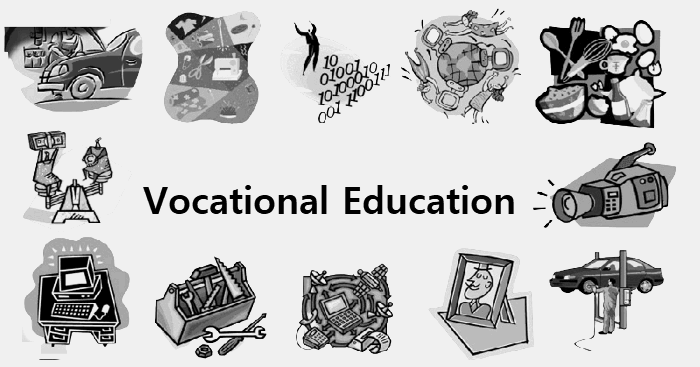
Vocational Education and Entrepreneurship
Vocational education does more than prepare students for a job. At its strongest, it gives learners the practical skills, confidence, and industry understanding they need to build a livelihood of their own.
Also known as career and technical education, vocational education focuses on hands-on training in specific trades, professions, and service areas. It is closely linked to the world of work because students learn by doing. They work with tools, equipment, processes, and real workplace situations instead of relying only on classroom theory.
Entrepreneurship, on the other hand, is the process of identifying an opportunity, creating a product or service, and managing a business around it. It requires initiative, planning, decision-making, and the ability to take calculated risks.
The connection between vocational education and entrepreneurship is therefore practical and direct. A person who has learned a skill in areas such as agriculture, construction, tailoring, hospitality, information technology, beauty services, automotive repair, food production, or electrical work is not limited to seeking employment. With the right support, that person can also turn the skill into a small business, service enterprise, or self-employment opportunity.
How Vocational Education Supports Entrepreneurship
One of the strongest advantages of vocational education is that it builds usable skills. Students do not simply learn what a profession is; they learn how the work is done. This practical foundation is important for entrepreneurship because a business owner must understand the quality, cost, process, and value of the service or product being offered.
Vocational training also helps students understand the realities of a trade. They learn how materials are used, how services are delivered, how customers are handled, and how problems are solved in real situations. This kind of experience is useful for anyone planning to start a business because it reduces guesswork and builds confidence.
Another important benefit is exposure to the workplace. Internships, apprenticeships, workshops, and practical projects allow students to observe how experienced workers manage daily tasks. They also learn about discipline, time management, customer expectations, teamwork, and professional standards. These lessons are often difficult to gain through theory alone.
Vocational education can also develop an entrepreneurial mindset. A skilled worker who understands a field well is often better able to notice gaps in the market. For example, a student trained in food production may identify demand for hygienic local snacks. A student trained in repair and maintenance may see an opportunity to provide reliable service in an underserved area. A student trained in information technology may begin offering digital support to local businesses.
In this way, vocational education helps learners move from “I know this skill” to “I can use this skill to solve a problem for others.”
Skills Beyond the Trade
Successful entrepreneurship requires more than technical ability. A person may be skilled at producing goods or delivering services, but still struggle without basic business knowledge. This is where vocational education can become even more valuable when it includes entrepreneurship training.
Students benefit from learning how to prepare a simple business plan, estimate costs, set prices, keep records, manage income and expenses, communicate with customers, and promote their services. These are practical skills that help turn technical knowledge into a sustainable source of income.
Problem-solving and critical thinking are also essential. Entrepreneurs face uncertainty, competition, changing customer needs, and financial pressure. Vocational education can prepare students for these challenges by giving them real tasks to complete, mistakes to learn from, and practical problems to solve.
Networking is another important part of the link between vocational education and entrepreneurship. Through training institutions, instructors, industry visits, internships, and apprenticeships, students may come into contact with employers, suppliers, mentors, customers, and other skilled workers. These relationships can become useful when they decide to start or grow a business.
Why the Combination Matters
When vocational education and entrepreneurship work together, students gain two important strengths: the ability to perform skilled work and the ability to create opportunities from that skill.
This combination is especially useful in communities where formal employment opportunities are limited. Instead of waiting only for jobs, trained individuals can provide services, create small enterprises, and contribute to local economic activity. They may also create employment for others as their businesses grow.
Vocational education can also help reduce the gap between education and employment. Many students complete formal education without practical work skills. Vocational training addresses this gap by preparing learners for real tasks, real customers, and real industries. When entrepreneurship is added, the training becomes even more useful because students learn how to apply their skills independently.
It also supports social and economic mobility. A person with a practical skill and basic business knowledge has a better chance of building income, improving living conditions, and becoming more self-reliant. This is particularly important for young people, women, rural communities, and groups with limited access to formal employment.
Conclusion
Vocational education and entrepreneurship are naturally connected. Vocational education gives people the skills to do meaningful work, while entrepreneurship shows them how to turn those skills into opportunity.
A strong vocational education system should therefore not only train students for employment but also prepare them for self-employment and enterprise creation. When learners receive technical training, workplace exposure, business knowledge, and guidance, they are better prepared to build stable careers and contribute to their communities.
In a changing economy, this combination matters. Skills alone are valuable, but skills combined with initiative, creativity, and business understanding can open the door to long-term independence and growth.
Further Reading
- Apprenticeships: How to Get Started
- Careers in Trades: Opportunities and Salaries
- Choosing a Vocational Career: What to Consider
- Importance of Vocational Education in Today's Job Market
- Online Vocational Programs: Advantages and Disadvantages
- Preparing for a Vocational Career: Tips and Strategies
- Role of Government in Supporting Vocational Education
- The Advantages of Vocational Education for High School Students
- The Future of Vocational Education: Emerging Trends and Technologies
- The Role of Vocational Education in Economic Development
- The Vocational Education and Training System
- Types of Vocational Programs: Which One is Right for You?
- Vocational Education and Entrepreneurship
- Vocational Education and Industry 4.0
- Vocational Education and Job Placement
- Vocational Education and Lifelong Learning
- Vocational Education and Skills Shortage: How to bridge the gap
- Vocational Education and the Future of Work
- Vocational Education and the Gig Economy
- Vocational Training vs. College: What's the Difference?






Comments 0
No comments yet. Be the first to start the conversation.