



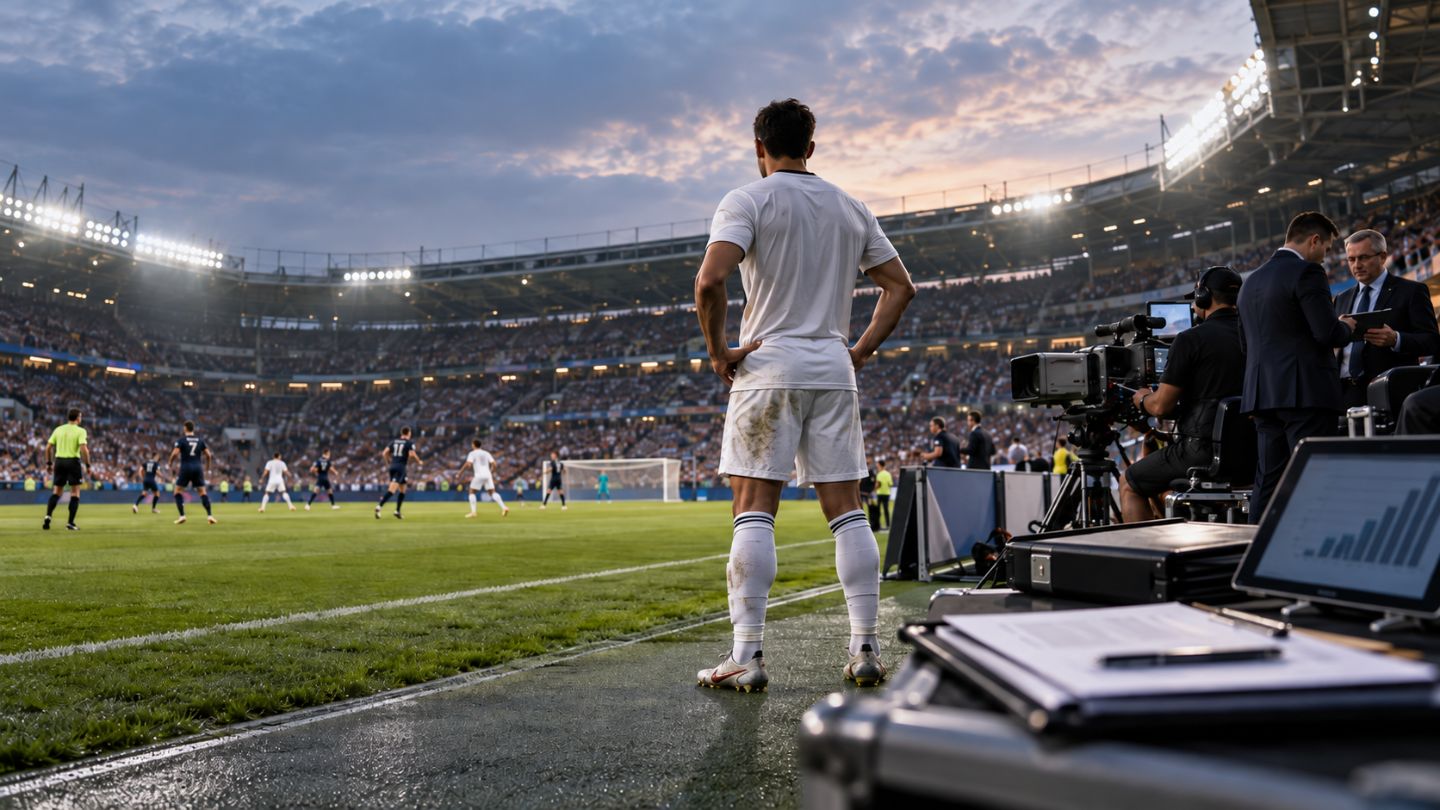
Modern sport is both competition and commerce. Clubs, leagues, governing bodies, athletes, broadcasters, sponsors, event organizers, and media companies depend on revenue to operate. Money pays salaries, supports training and facilities, funds competitions, expands audiences, and keeps many sports organizations functioning. Yet the same financial incentives can create pressure to place revenue, winning, audience growth, or institutional power ahead of fairness, athlete welfare, and public trust.
That tension does not mean money is incompatible with ethical sport. Commercial activity becomes an ethical problem when financial interests distort competition, weaken accountability, expose athletes to avoidable harm, or give decision-makers incentives to ignore rules. The central challenge is not choosing between morality and money. It is building systems in which financial success depends on credible competition, responsible governance, and respect for the people whose work and trust sustain sport.
What Ethics Means in the Sports Industry
Ethics in sport concerns the principles that guide conduct both on and off the field. It includes fair competition, respect for rules, honest administration, athlete welfare, responsible leadership, and accountability for decisions.
The World Anti-Doping Agency (WADA) describes the “spirit of sport” in terms that include health, ethics, fair play, honesty, respect for rules, teamwork, and respect for other participants. Its World Anti-Doping Code also links anti-doping efforts to protecting athlete health and maintaining the integrity of competition.
These principles apply beyond doping. A competition can follow technical rules and still raise ethical concerns if executives have unmanaged conflicts of interest, athletes are pressured to compete when their health is at risk, financial arrangements are hidden from scrutiny, or commercial structures undermine fair access to competition.
Ethical sport can be understood through three connected duties:
-
Protect the integrity of competition.
-
Protect the welfare and rights of participants.
-
Govern organizations in a transparent and accountable way.
When one of these duties is weakened for financial gain, the effects can spread beyond a single athlete, club, or event. Fans may lose confidence, athletes may face unfair conditions, and institutions may face legal, reputational, and organizational consequences.
Why Financial Pressure Creates Ethical Risk
Sports organizations need revenue, and athletes often have short careers with intense performance demands. That makes financial pressure a structural feature of the industry rather than an occasional problem.
A club may depend on broadcasting income, commercial partnerships, ticket sales, competition prizes, or player transfers. A governing body may control valuable hosting rights, media rights, or tournament access. An athlete may depend on selection, prize money, sponsorship, or contract renewal. None of these arrangements is inherently unethical. Risk appears when the financial reward for winning or controlling access becomes stronger than the safeguards designed to protect fairness.
The problem is also one of incentives. If an executive can influence a contract without independent review, a conflict of interest may arise. If a team has strong financial reasons to keep an injured player on the field, medical independence becomes important. If an athlete believes that success is impossible without banned substances, anti-doping rules alone may not be enough; education, testing, medical oversight, and a culture that does not reward rule-breaking are also needed.
Ethical failures often occur when organizations treat compliance as a public-relations task instead of a governance responsibility.
Doping: When Winning Becomes More Valuable Than Fair Competition
Doping is one of the clearest examples of the morality-versus-money conflict. Performance can affect contracts, selection, prize money, sponsorship, status, and future opportunities. That can create incentives to seek an unfair advantage.
The ethical problem is broader than breaking an anti-doping rule. Doping can undermine fair competition, place athlete health at risk, and damage trust in results. WADA’s anti-doping framework is built around those concerns, including athlete health and respect for fair competition.
Lance Armstrong remains a significant historical example. After years of denying doping allegations, Armstrong acknowledged in a 2013 interview that he had used banned performance-enhancing methods during his cycling career. The U.S. Anti-Doping Agency said his admission confirmed that his career had involved doping and deception.
The lasting lesson is not limited to one athlete. When winning carries major financial and status rewards, organizations need controls that reduce both the opportunity and the incentive to cheat. Testing, independent enforcement, protection for people who report misconduct, and clear medical guidance are part of that system.
Match Manipulation and Corruption
Competition loses meaning when results or events are improperly influenced for private gain. Match manipulation can involve athletes, officials, intermediaries, or other participants and may be connected to financial incentives outside the normal sporting contest.
The Council of Europe’s Macolin Convention treats manipulation of sports competitions as an international integrity issue. It calls for cooperation among public authorities, sports organizations, competition organizers, and regulated betting sectors to prevent, detect, and sanction manipulation.
Corruption in sports administration creates a related problem. Decision-makers may control contracts, commercial rights, host selection, or access to competitions. Weak oversight can allow private interests to influence decisions that should serve the sport as a whole.
The 2015 FIFA corruption case showed how serious those governance risks can become. The U.S. Department of Justice unsealed charges against 14 defendants, including high-ranking FIFA officials and sports marketing executives, alleging racketeering, wire fraud, and money-laundering conspiracies connected to international football. Additional defendants were charged later that year, and several individuals entered guilty pleas.
The case is a reminder that sports bodies do not operate outside ordinary standards of accountability. Where large commercial rights and institutional power are concentrated, financial transparency, conflict-of-interest rules, independent review, and effective reporting channels become essential.
Athlete Health and the Duty of Care
A sports organization’s ethical responsibility does not end with enforcing competition rules. It also includes protecting athletes from avoidable harm and making sure health decisions are not controlled by competitive or commercial pressure.
The National Football League concussion litigation provides an important example of how athlete welfare, institutional responsibility, and financial interests can intersect. Former players brought claims alleging that repetitive head trauma during their NFL careers contributed to long-term neurological problems and that the league failed to warn or protect them adequately. The NFL denied the allegations, and the litigation ended in a class settlement rather than a finding that every allegation was proven. The settlement includes medical assessment provisions, education programs, and an uncapped monetary award fund for qualifying diagnoses under its terms.
The broader ethical point is that medical decisions should be insulated from pressure to protect a team’s competitive position or revenue. Independent clinicians, clear return-to-play rules, injury reporting, and long-term health monitoring can reduce conflicts between performance goals and athlete welfare.
Safeguarding also extends beyond physical injury. The International Olympic Committee’s safeguarding guidance stresses that sports organizations need clear policies, reporting procedures, assigned responsibility, record-keeping, and access to support when harassment or abuse is reported.
Commercial Structures and Sporting Merit
Not every ethical dispute involves illegal conduct. Some involve competing ideas about who sport should serve, how access to competition should be decided, and how revenue should be distributed.
The proposed European Super League in 2021 became a major example. Twelve prominent clubs announced plans for a breakaway competition. UEFA, national football bodies, supporters, players, and other stakeholders objected, with much of the criticism centered on closed or semi-closed competition structures and the role of sporting merit. UEFA and allied football bodies argued that qualification for major competitions should be based on performance within an open sporting system. Several founding clubs withdrew from the project soon after the announcement.
The ethical issue was not simply that clubs wanted more revenue. Sports organizations routinely seek stronger income. The dispute concerned whether a commercial structure would concentrate financial power and competition access in ways that conflicted with established principles of qualification and sporting merit.
This distinction matters. Ethical analysis should examine how money is earned, who bears the costs, who receives the benefits, and whether the rules remain fair.
Why Transparency and Accountability Matter
Financial pressure becomes more dangerous when decision-making is opaque. Transparent systems make it harder to hide conflicts of interest, misuse authority, or direct resources toward private benefit.
The United Nations Office on Drugs and Crime has identified governance measures such as financial transparency, public reporting, conflict-of-interest policies, objective appointment criteria, internal and external controls, and independent compliance functions as relevant safeguards against corruption in sport.
Transparency does not mean publishing every internal discussion or commercially sensitive detail. It means that material decisions should have clear rules, documented authority, and meaningful oversight. Organizations should be able to explain who made a decision, what standards applied, how conflicts were managed, and what review process exists when misconduct is alleged.
Accountability also requires consequences. A code of ethics has limited value if breaches are ignored when the person involved is commercially important or institutionally powerful.
How Sports Organizations Can Balance Ethics and Financial Sustainability
Sports organizations do not need to reject commercial growth to protect integrity. They need governance systems that make ethical conduct part of ordinary decision-making.
Separate Oversight From Commercial Pressure
Integrity, disciplinary, anti-doping, safeguarding, and medical functions need enough independence to act when commercial interests point in another direction. Staff responsible for these areas should not be punished for decisions that protect rules or athlete welfare.
Use Clear Conflict-of-Interest Rules
People who award contracts, select hosts, appoint officials, or make disciplinary decisions should disclose relevant interests and step away from decisions where impartiality is compromised. Conflict rules should apply to senior executives as well as lower-level staff.
Make Financial Decisions Traceable
Major commercial decisions should have documented approval processes, defined authority, and appropriate auditing. The aim is not bureaucracy for its own sake. It is to make improper influence harder to conceal.
Protect People Who Report Misconduct
Athletes, employees, officials, and contractors may notice wrongdoing before senior leaders do. Reporting systems need confidentiality, protection against retaliation, and a credible process for investigation. UNODC has highlighted reporting mechanisms as part of modern anti-corruption systems in sport.
Keep Medical Decisions Clinically Independent
Team performance goals should not determine whether an athlete is medically fit to compete. Independent medical judgment reduces the risk that short-term competitive or financial interests override health considerations.
Educate Athletes and Staff Before Problems Occur
Rules are easier to follow when participants understand why they exist, what conduct is prohibited, how to report concerns, and what consequences apply. Ethics education should cover real situations such as gifts, conflicts of interest, manipulation approaches, doping risks, harassment, and pressure from authority figures.
Measure More Than Revenue and Wins
If organizations judge success only by income and results, staff receive a narrow signal about what matters. Governance quality, athlete welfare, disciplinary integrity, safeguarding performance, and stakeholder trust should also influence internal evaluation.
The Responsibilities of Different Stakeholders
Ethical sport depends on more than governing bodies. Different groups shape the incentives that surround competition.
Athletes and coaches are responsible for following rules, rejecting unfair advantages, respecting opponents, and reporting serious misconduct through appropriate channels. They also need access to systems that protect them when they raise concerns.
Clubs, leagues, and federations carry a wider duty because they design the environment in which athletes compete. They control policies, disciplinary systems, medical structures, commercial agreements, and leadership standards.
Sponsors and commercial partners can influence behavior through contract terms and expectations. Responsible partners should avoid rewarding conduct that conflicts with safety or competition rules.
Media organizations affect public understanding by deciding how scandals, injuries, and governance failures are reported. Accurate reporting can distinguish proven misconduct from allegations and avoid turning ethical disputes into sensational narratives.
Fans also matter because their attention and spending support the industry. Public reaction to corruption, unfair competition structures, or mistreatment of athletes can pressure institutions to respond. Yet ethical reform should not depend only on public outrage. Sound governance should identify and address problems before a scandal forces action.
A Practical Test for Ethical Sports Decisions
Organizations can use a simple decision test when financial benefits appear to conflict with sporting values.
| Question | Ethical concern | What responsible practice looks like |
|---|---|---|
| Is the decision fair to competitors? | Unequal or manipulated competition | Rules apply consistently and sporting merit is protected |
| Does it create avoidable harm to athletes? | Health, safety, or safeguarding risk | Independent welfare and medical safeguards guide the decision |
| Is anyone deciding a matter from which they privately benefit? | Conflict of interest | Disclosure, recusal, and independent review |
| Can the organization explain how the decision was made? | Lack of transparency | Clear criteria, records, and accountable authority |
| Would the decision still be defensible without the financial gain? | Revenue overriding principle | Ethical standards remain binding even when money is at stake |
This test does not resolve every dispute. It does, however, force decision-makers to examine more than immediate revenue.
Morality and Money Are Not Opposites
The sports industry often presents ethical choices as expensive obstacles to commercial success. That framing is too narrow. Rules, independent oversight, athlete protection, and transparent governance are part of what makes sports competition credible.
Revenue depends heavily on people believing that results are meaningful, rules apply fairly, athletes are treated responsibly, and institutions can be trusted with power. When those assumptions fail, the commercial system itself becomes less stable.
The strongest balance is not achieved by treating morality as a limit placed on business. It comes from recognizing that integrity is part of the structure that allows sports business to exist.
Conclusion
The central dilemma in the sports industry is not whether organizations should make money. Commercial revenue supports athletes, events, facilities, employment, media coverage, and the operation of competitions. The ethical problem begins when financial incentives override fair play, athlete welfare, honest administration, or accountable decision-making.
Doping, corruption, match manipulation, health disputes, and conflicts over competition structures show different versions of the same underlying risk: money and power can distort judgment when safeguards are weak.
A credible sports system needs more than rules on paper. It needs independent oversight, clear conflicts policies, financial accountability, safe reporting channels, athlete-centered medical decisions, and consistent consequences for misconduct. When these protections are treated as core operating standards rather than optional restraints, financial sustainability and ethical sport can support each other rather than compete.







Comments 0
No comments yet. Be the first to start the conversation.