



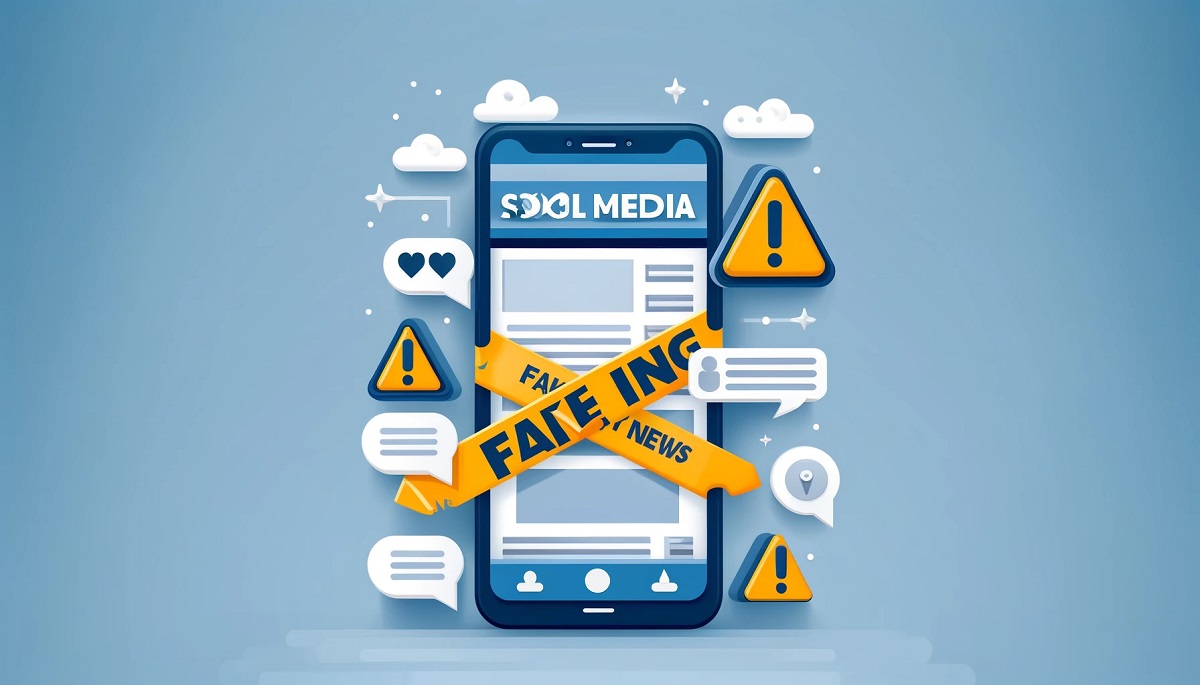
Social media can be useful for quick updates, public discussions, and finding different viewpoints. However, it is not always a reliable source of information. Posts often spread faster than they can be checked, and algorithms may promote content that attracts attention rather than content that is accurate.
For important topics such as health, elections, education, finance, public safety, and government decisions, relying only on social media can lead to confusion, misinformation, and poor decisions.
Table of Content
- Why Social Media Is Risky as an Information Source
- Examples of Misinformation Risks
- Psychological Effects of Misinformation
- Echo Chambers and Confirmation Bias
- Social Media vs. Traditional News Sources
- How to Identify More Credible Sources
- Practical Tips for Verifying Information Online
- Building Information Literacy
- Conclusion
Why Social Media Is Risky as an Information Source
Social media platforms are built for speed, engagement, and sharing. This makes them useful for communication, but it also makes them vulnerable to misinformation.
A widely cited MIT study published in Science found that false news on Twitter spread farther, faster, deeper, and more broadly than true news. The study also found that falsehoods were 70% more likely to be retweeted than true information.
This does not mean every post on social media is false. Many journalists, researchers, institutions, and public agencies use social media responsibly. The problem is that social media often presents verified reporting, opinion, rumor, satire, advertising, and false claims in the same feed. Readers must do extra work to tell the difference.
Examples of Misinformation Risks
COVID-19 Misinformation
During the COVID-19 pandemic, false and misleading information spread widely online. The World Health Organization described this problem as an “infodemic,” meaning an overload of information, including false or misleading claims, during a disease outbreak. WHO warned that such misinformation can create confusion, encourage risky behavior, reduce trust in health authorities, and weaken public health responses.
This example shows why health information should be checked through official health agencies, qualified medical professionals, and reliable scientific sources rather than social media posts alone.
Election Misinformation
Elections are another area where social media misinformation can cause public confusion. False claims about voting procedures, results, or election security can spread quickly and reduce trust in democratic processes.
In the United States, election security agencies issued public statements and resources in 2020 to address misinformation and reassure voters about election infrastructure.
The lesson is broader than one country. When information affects voting, public safety, or civic rights, it should be checked against official election bodies and credible news organizations.
Psychological Effects of Misinformation
Misinformation can influence people even when they do not intend to believe false claims. One reason is the illusory truth effect. This means that repeated information can begin to feel true simply because it becomes familiar.
Research published in Cognition found that repeated exposure to misinformation can increase perceived accuracy and make people more likely to share it.
This effect is especially important on social media because users may see the same claim repeated by friends, influencers, pages, or reposted screenshots. Repetition can create a false sense of credibility.
Echo Chambers and Confirmation Bias
Social media platforms often show users content similar to what they have already liked, watched, or shared. This can create an echo chamber, where people mostly see information that supports their existing beliefs.
Confirmation bias also plays a role. People are more likely to accept information that agrees with what they already think and more likely to reject information that challenges them. Over time, this can make misinformation harder to correct and public debate more polarized.
Social Media vs. Traditional News Sources
Traditional news organizations are not perfect, but credible outlets usually have editorial standards, named reporters, corrections policies, and fact-checking processes. Social media posts often do not.
A post may look professional and still be misleading. A large number of likes or shares does not prove accuracy. A verified account may still make mistakes. A viral video may be missing context.
For this reason, social media can be a starting point for awareness, but it should not be the final source for important information.
How to Identify More Credible Sources
A credible source usually has clear authorship, evidence, transparency, and accountability. Before trusting a claim, ask:
-
Who created the information?
-
What evidence is provided?
-
Is the source qualified to speak on the topic?
-
Do other reliable sources report the same thing?
-
Is the information current?
-
Is the post trying to inform, persuade, sell, or provoke emotion?
For serious topics, prefer official agencies, academic institutions, recognized news organizations, peer-reviewed research, and direct source documents.
Practical Tips for Verifying Information Online
1. Read Beyond the Headline
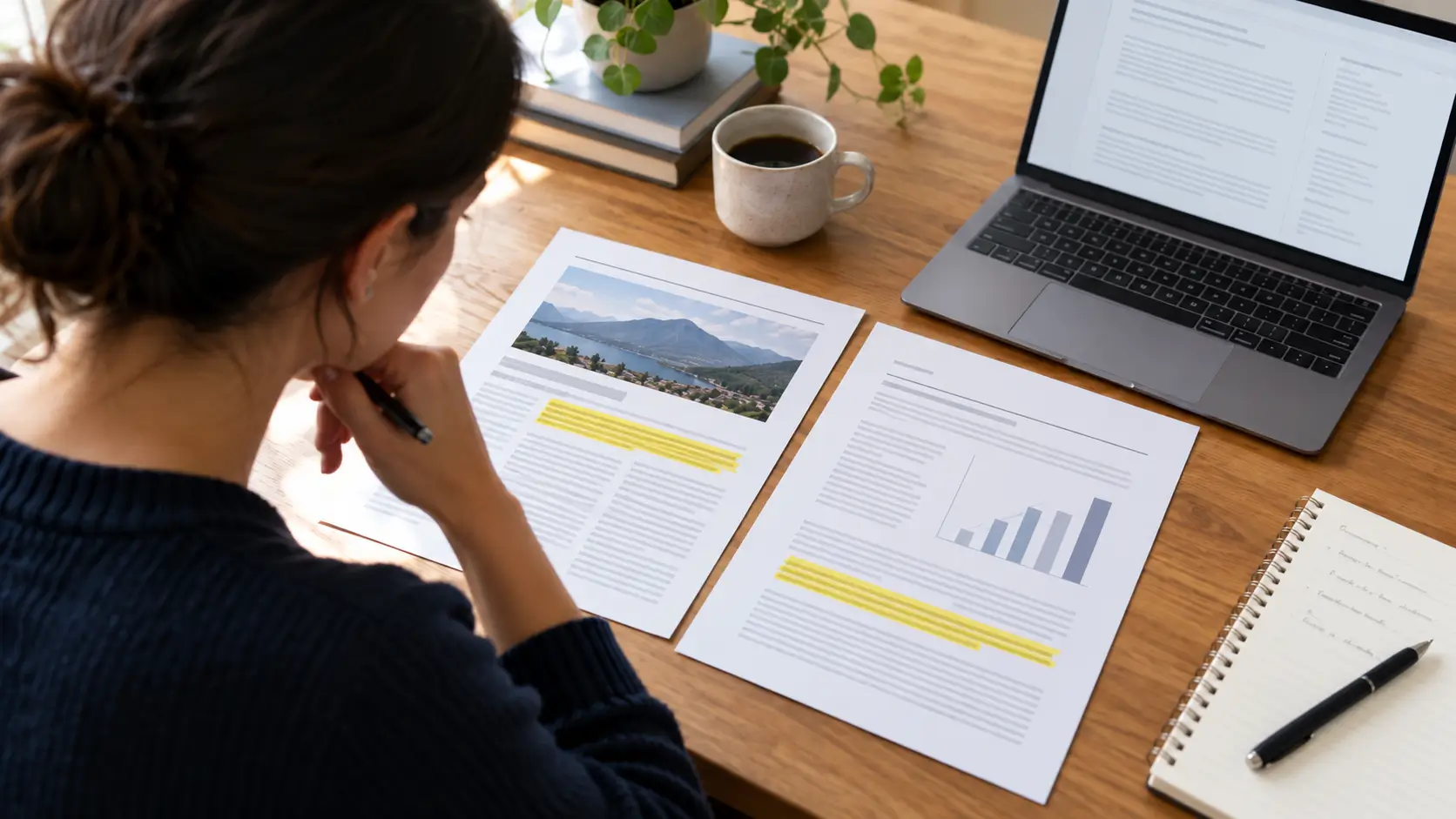
Headlines and captions can be misleading. Open the full article or source before sharing.
2. Check the Original Source
Look for the original report, notice, study, speech, court document, government update, or official announcement. Screenshots and reposts can be edited or taken out of context.
3. Use Lateral Reading
Lateral reading means checking what other reliable sources say about a website, claim, author, or organization instead of staying on one page. Stanford researchers found that short instruction in this method helped students better identify weak or dubious online sources.
4. Compare Multiple Reliable Sources
One source may be incomplete or wrong. Check whether credible organizations are reporting the same facts.
5. Check the Date
Old information can become misleading when shared as if it is new. Always check when the content was published and whether the situation has changed.
6. Watch for Emotional Manipulation
Misinformation often uses anger, fear, shock, or urgency to make people react quickly. Strong emotion is a signal to pause and verify before sharing.
7. Use Fact-Checking Resources
Fact-checking organizations can help verify viral claims, images, public statements, and rumors. Useful examples include Snopes, FactCheck.org, PolitiFact, and recognized fact-checking teams in established newsrooms.
8. Be Careful With Images and Videos
Images and videos can be edited, reused from older events, or presented with false captions. Reverse image search and checking reliable reports can help confirm whether visual content is authentic and current.
Building Information Literacy
Information literacy is the ability to find, evaluate, and use information responsibly. It is now an essential skill because social media users are not only readers; they are also distributors of information when they like, share, repost, or comment.
The American Psychological Association recommends several ways to counter misinformation, including prebunking, correction, media literacy, and reducing repeated exposure to false claims.
Being careful with information is not about distrusting everything. It is about slowing down, checking evidence, and avoiding the spread of claims that may harm others.
Conclusion
Social media can help people discover news and join public conversations, but it should not be treated as a complete or fully reliable information source. False claims can spread quickly, repeated misinformation can begin to feel true, and algorithms can reinforce existing beliefs.
The safest approach is to use social media as a starting point, not the final authority. Before believing or sharing important information, check the source, compare reliable references, read beyond headlines, and verify the context.
A well-informed reader does not rely on speed alone. Accuracy, evidence, and responsible sharing matter more than being the first to react.





Comments 0
No comments yet. Be the first to start the conversation.