



Disability: Types, Barriers Faced by Individuals, and Measures to Reduce Them
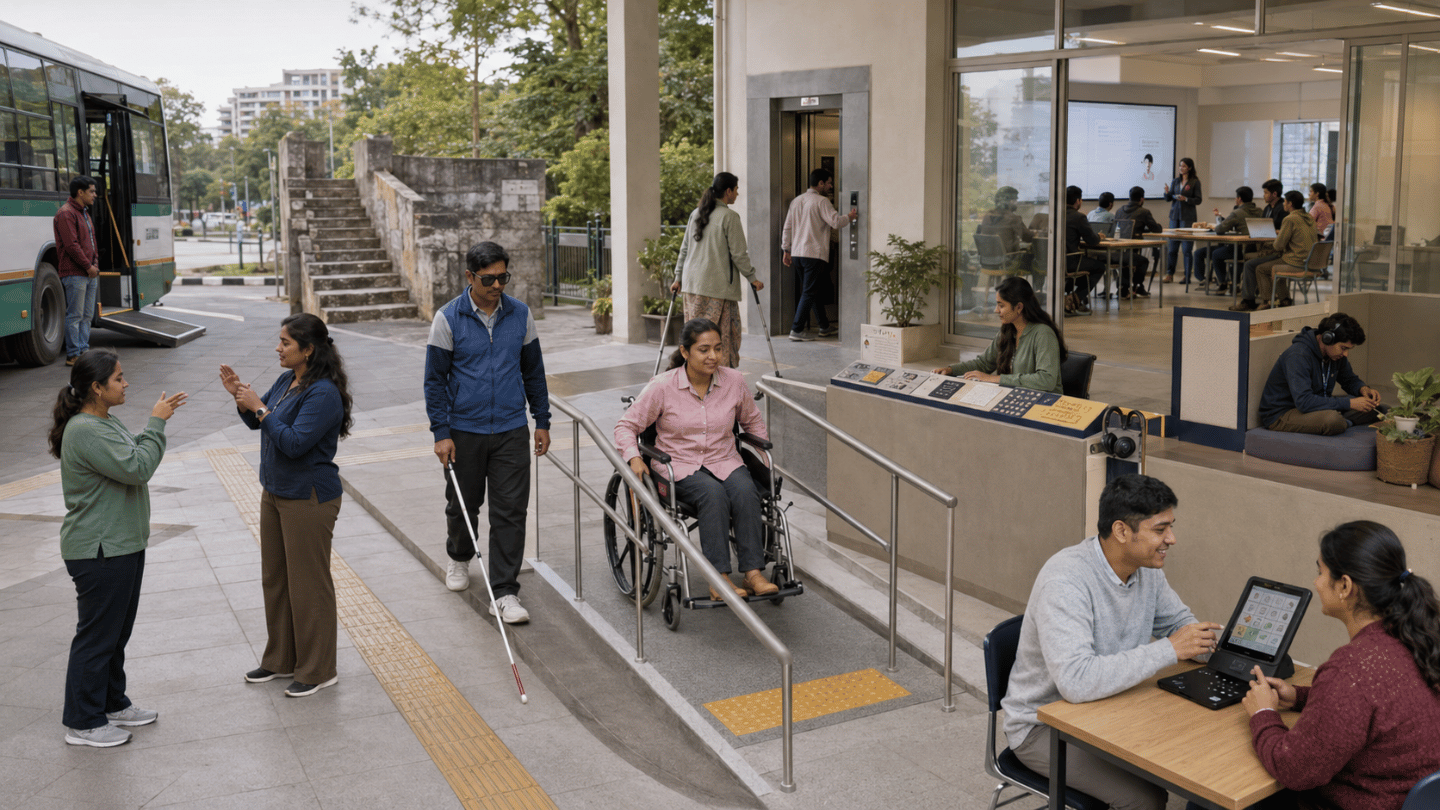
According to the Act Relating to Rights of Persons with Disabilities, 2074, disability refers to a condition in which barriers arising from the physical, social, and cultural environment, as well as communication, make it difficult for a person with problems in a bodily organ or system to carry out daily activities normally and participate fully in social life.
There are two main perspectives on disability. The first is the medical perspective, which regards a defect or illness in a person’s body or mind as the disability. The second is the social perspective, which considers the attitudes and behavior of families and society, rather than the individual’s body, to be the main barriers. The effects of disability can be reduced by changing infrastructure and attitudes and creating a disability-friendly environment.
Classification of Disability Based on Identity Cards
Based on the severity of functional limitations, disability is classified into four categories through the distribution of identity cards:
-
Profound disability: Red identity card
-
Severe disability: Blue identity card
-
Moderate disability: Yellow identity card
-
Mild disability: White identity card
Ten Types of Disability Based on Functional Limitations
-
Physical disability: A condition in which the limbs or body cannot move properly. Individuals may require wheelchairs, crutches, other assistive technologies, and accessible infrastructure.
-
Visual disability: A condition involving complete blindness or low vision. Individuals may require a white cane, Braille, and audio materials.
-
Hearing disability: A condition in which a person has difficulty hearing and communicating through speech. Individuals may require sign language, interpreters, and hearing aids.
-
Deafblindness: A condition in which a person is unable to hear and see. Individuals may require tactile sign language and specialized assistive materials.
-
Voice and speech disability: A condition involving stammering, unclear speech, or an inability to speak. Individuals may require therapeutic methods and speech therapy.
-
Mental or psychosocial disability: A condition in which mental health problems may lead to atypical behavior. Individuals may require psychiatric treatment, medication, counselling, and family support.
-
Intellectual disability: A condition in which intellectual development does not correspond with age, resulting in slower learning and understanding. Individuals may require life skills training and special education.
-
Hereditary bleeding disorder or haemophilia: A condition in which blood does not clot properly or excessive bleeding occurs. Individuals require a safe environment to prevent injuries and continuous medical supervision.
-
Autism: A condition involving difficulties with social interaction and communication. Individuals may require continuous therapy and personal support. Appropriate education for individuals with autism is also important.
-
Multiple disabilities: A condition in which one person has two or more of the disabilities listed above.
Barriers Faced by Persons with Disabilities
-
Social barriers: Lack of inclusive participation in social activities and perceptions that focus on incapacity.
-
Physical infrastructure barriers: Inaccessible roads, transportation, buildings, toilets, and public places.
-
Communication and information barriers: Lack of accessible technologies such as Braille, sign language, captions, and audio materials.
-
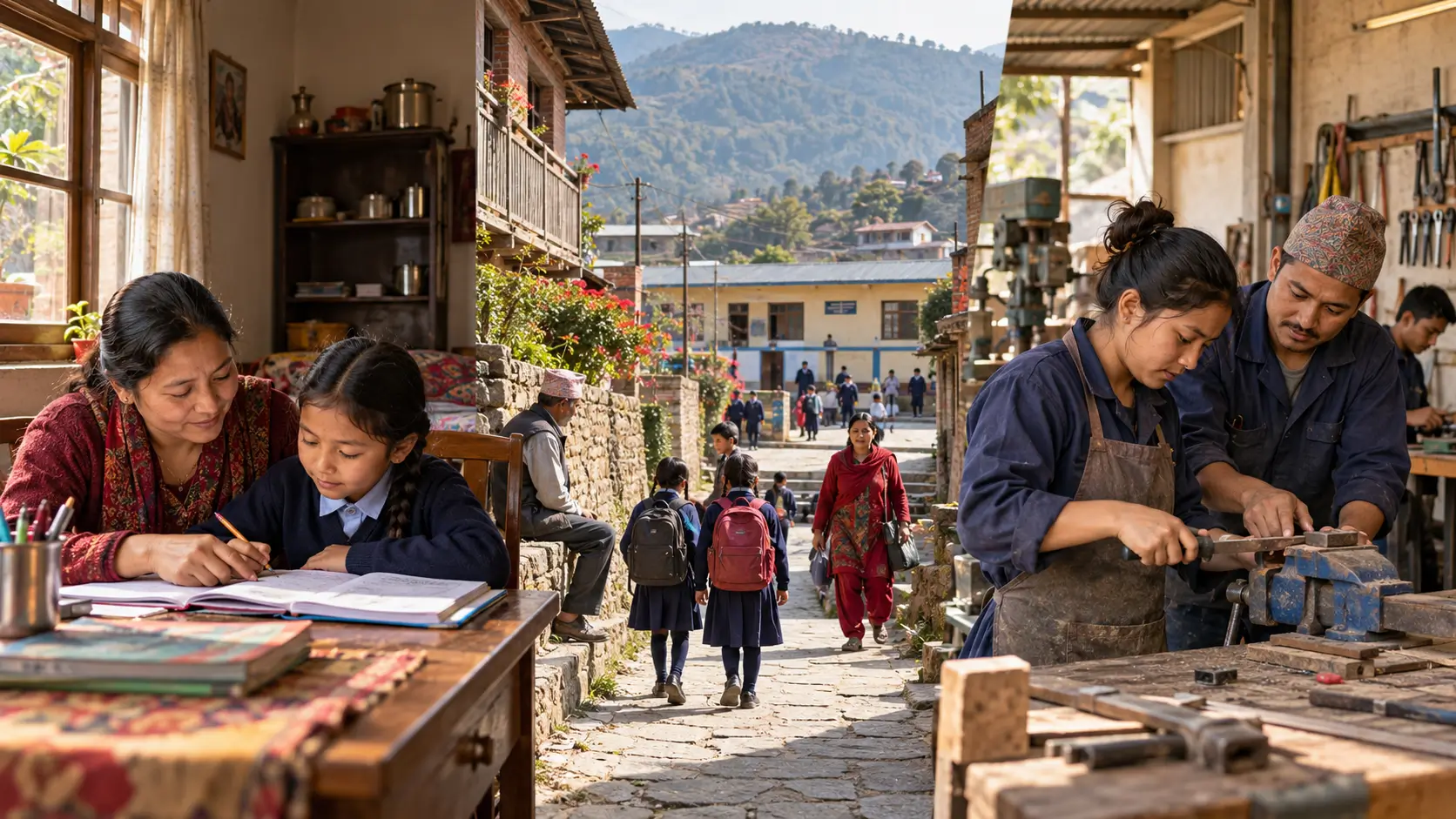
Barriers in school education: Inaccessible curricula, traditional teaching methods, and a shortage of skilled personnel. These contribute to the challenges students with disabilities face in the classroom.
-
Barriers to healthcare: Hospitals that are not accessible and a lack of sensitivity among healthcare workers.
-
Economic barriers: An inability to make sufficient investments in assistive devices, education, healthcare, and employment.
-
Policy and legal barriers: Failure to fully implement existing laws.
-
Psychological and emotional barriers: Stress caused by discrimination from families and the state.
-
Technological barriers: Lack of modern technology that is easy to access and use.
-
Family-related barriers: Controlling or neglectful behavior by family members in the name of protection.
-
Environmental barriers: Dark, steep, unpaved, or slippery roads and places.
-
Employment or occupational barriers: Inaccessible physical infrastructure and employers’ lack of trust in the abilities of persons with disabilities. Appropriate career counselling and employment opportunities for persons with disabilities can help address these barriers.
-
Administrative barriers: Neglect by government bodies when preparing budgets and plans.
-
Attitudinal barriers: A tendency to view persons with disabilities with pity or contempt.
-
Traditional and cultural barriers: Superstitious beliefs that disability is the result of sins or actions from a previous life, along with exclusion from social and religious activities.
Measures and Practices to Reduce Barriers
-
Communicate and provide information in simple, accessible language.
-
Conduct specialized counselling, rehabilitation, and social support programs.
-
Arrange medical treatment according to individual needs.
-
Provide accessible physical infrastructure and technology-enabled assistive devices.
-
Ensure access to services, facilities, and employment.
-
Develop positive attitudes within families and communities and end superstitious beliefs.
-
Arrange training and education to develop the abilities of persons with disabilities.
-
Provide personal assistance services according to the severity of disability.
-
Create disability-friendly and supportive learning environments at home and in schools.
-
Develop the practice of treating persons with disabilities humanely and empathetically in everyday life.
Conclusion
Negative social attitudes and physical and social barriers are depriving persons with disabilities of education, healthcare, and employment, pushing them towards poverty and psychological stress. Therefore, all stakeholders—including the state, society, families, and schools—must understand their abilities and treat them with empathy.
When a disability-friendly environment is created, persons with disabilities can also make significant contributions to the development of society and the nation.


Comments 0
No comments yet. Be the first to start the conversation.