Kanchan Vidhya Mandir Samudayik College (कञ्चन विद्यामन्दिर सामुदायिक क्याम्पस) is a community-based higher education institution located in Bheemdatt-04, Mahendranagar, Kanchanpur, Sudurpashchim Province. Established in 2009 AD (2066 BS), the college is affiliated with Tribhuvan University and offers the Bachelor of Business Studies (BBS) and Master of Business Studies (MBS) programs.
The college began with 28 students in the first-year BBS class. Its development has been supported by local intellectuals, social workers, education supporters, community members, and local government bodies. Its academic work centres on management education, student participation, research, community involvement, and access to higher education for students from hilly, rural, and Terai areas.
| Field | Details |
|---|---|
| Institution | Kanchan Vidhya Mandir Samudayik College |
| Nepali name | कञ्चन विद्यामन्दिर सामुदायिक क्याम्पस |
| Institution type | Community college |
| Established | 2009 AD (2066 BS) |
| Location | Bheemdatt-04, Mahendranagar, Kanchanpur |
| Province | Sudurpashchim Province |
| Affiliation | Tribhuvan University |
| Programs | Bachelor of Business Studies and Master of Business Studies |
| QAA certification | Received from UGC on 2076/09/07 |
| College Chief | Mr. Hari Singh Khati |
| Chairperson | Mr. Durga Prasad Joshi |
Kanchan Vidhya Mandir Samudayik College was founded through the combined efforts of intellectuals, social workers, local residents, education supporters, and local government bodies, including the municipality, District Development Committee, and Town Development Committee.
The institution started its academic activities with the BBS First Year class in 2066 BS. The first group had 28 students. Student participation increased during the following years as the college developed its physical resources, academic services, library, teaching workforce, and community connections.
The college was established to make higher education more accessible to students in Sudurpashchim Province, including learners from rural, hilly, and Terai communities. This community focus remains part of its institutional purpose.
Kanchan Vidhya Mandir Samudayik College is a service-oriented institution rather than an individually owned college. It operates through a management committee formed under university supervision. The governance structure brings community members and education stakeholders into institutional planning and administration.
The college is situated in Bheemdatt-04, Mahendranagar, Kanchanpur, Sudurpashchim Province, Nepal.
Its location serves students from Kanchanpur and surrounding areas, including learners who may find relocation to Kathmandu or other distant cities financially difficult. The college was developed partly in response to the demand for locally available bachelor’s and master’s-level management education.
Kanchan Vidhya Mandir Samudayik College is affiliated with Tribhuvan University for its higher education programs.
The college received a Quality Assurance and Accreditation certificate from the University Grants Commission on 2076/09/07. The certification is connected with the college’s institutional work in academic administration, management, student responsibility, physical resources, and internal improvement.
The college offers two Tribhuvan University-affiliated management programs:
Bachelor of Business Studies (BBS)
Master of Business Studies (MBS)
The Bachelor of Business Studies is the college’s undergraduate program. Kanchan Vidhya Mandir Samudayik College began its academic journey by opening the BBS First Year class in 2066 BS.
The program represents the largest part of the college’s student population. In fiscal year 2081/082, 649 students were studying at the BBS level.
The Master of Business Studies is the college’s postgraduate management program. It allows students in Kanchanpur and nearby areas to continue management education at the master’s level without relocating to a distant city.
In fiscal year 2081/082, the MBS program had 69 students.
The college recorded 718 students in fiscal year 2081/082. This included 649 BBS students and 69 MBS students.
| Fiscal year | BBS students | MBS students |
|---|---|---|
| 2080/081 | 904 | 121 |
| 2081/082 | 649 | 69 |
The enrollment figures show that BBS remains the institution’s main academic program, while the MBS program provides a postgraduate route within the same management education setting.
The mission of Kanchan Vidhya Mandir Samudayik College is to prepare professionals and scholars who can contribute to higher education and human development. It also seeks to prepare students to respond responsibly to contemporary academic, professional, and social challenges.
The mission connects classroom education with professional preparation, social responsibility, research, and the development of skilled human resources.
The college’s vision is to develop as an educational hub in its region. It seeks to function as a higher education institution that creates learning opportunities suited to the needs of local residents.
This vision reflects its community character and its focus on expanding access to bachelor’s and master’s education within Sudurpashchim Province.
The college’s goals combine academic development, research, entrepreneurship, community participation, and institutional management. Its main priorities include:
Developing infrastructure for teaching and research
Creating a research-friendly academic environment
Introducing programs and subjects that respond to changing educational needs
Encouraging young people to continue into higher education
Developing entrepreneurship-related knowledge and abilities
Promoting continuous learning among students and staff
Supporting creative and critical thinking
Preparing management personnel and academically capable graduates
Increasing student participation in academic and campus activities
Improving pass rates through academic reinforcement
Strengthening community and stakeholder participation
Improving institutional records through an effective information management system
Building cooperation among students, guardians, business communities, social workers, local authorities, and other stakeholders
The strategic direction also includes handling research projects, developing sustainable institutional income sources, and increasing stakeholder participation in campus development.
The college uses several classroom and participation-based teaching methods. These include:
Lectures and classroom discussions
Class presentations
Field visits
Group discussions
Role-play activities
Home assignments
Self-correction exercises
These methods allow teaching to combine direct instruction with discussion, presentation, group participation, and activities outside the classroom.
The college also conducts extra classes and academic reinforcement activities. Student groups, presentations, assignments, and field-based learning are used as part of the teaching process.
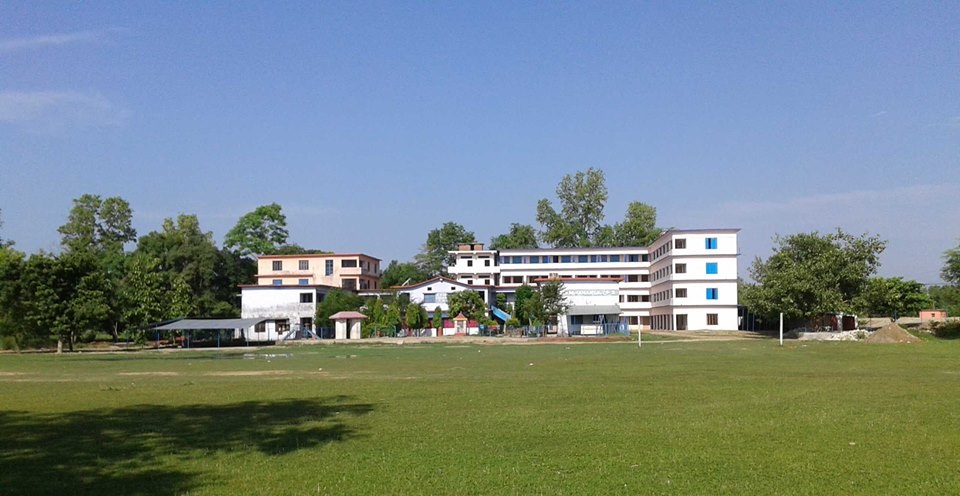
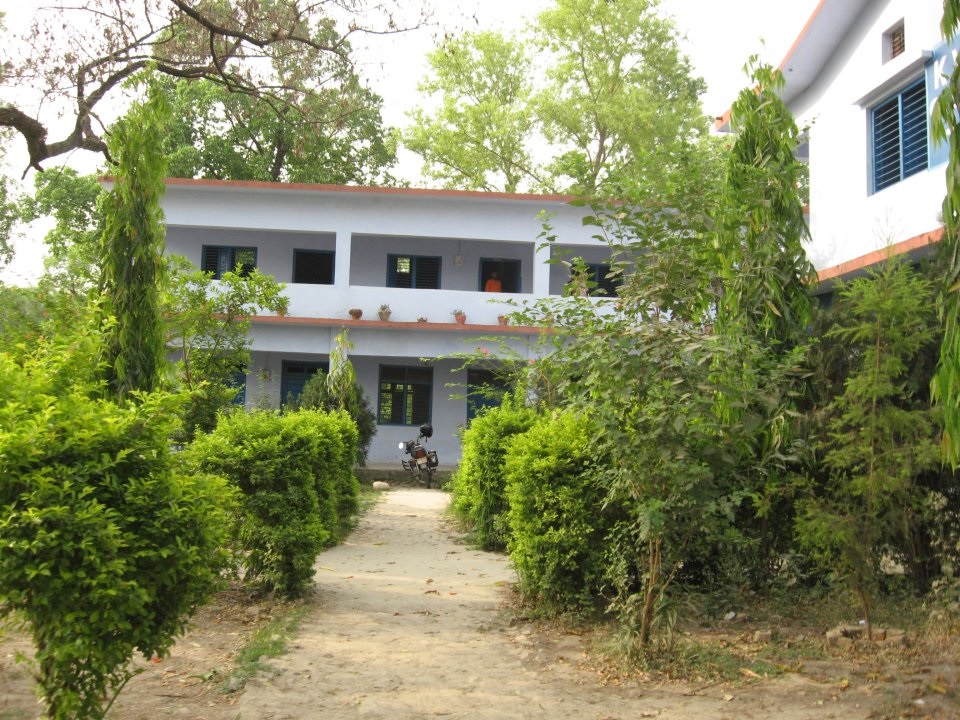
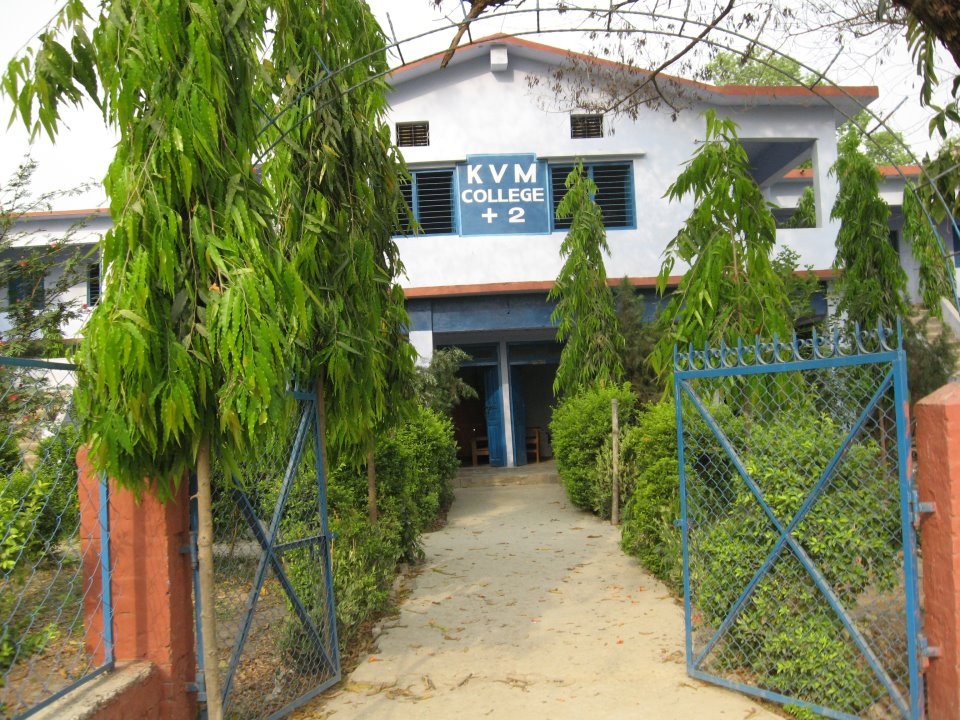
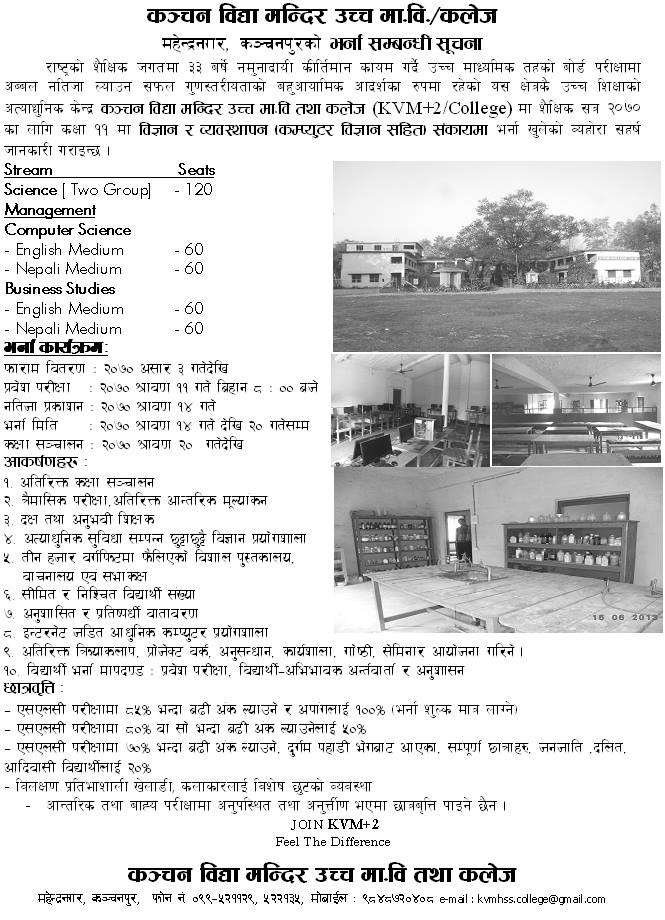
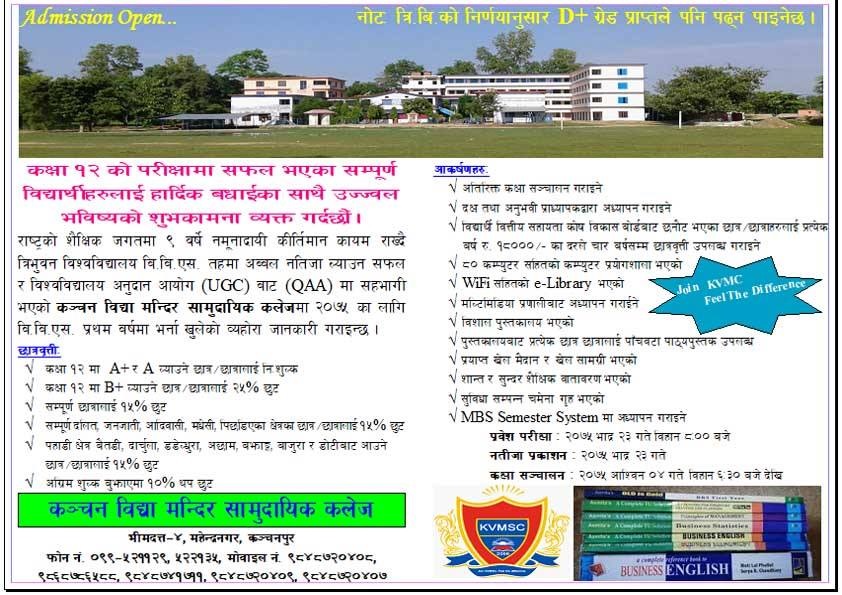
The college has three four-storey buildings containing 37 classrooms and 10 office rooms. A separate four-storey lavatory block is connected with the main physical structure.
Other campus resources include:
A cycle stand with capacity for 1,000 cycles
A drinking-water supply system
Administration and account offices
A platform for cultural activities
A canteen for students and staff
Furnished classrooms
A Saraswati temple within the college compound
A 30 KVA generator
A park and playground
The campus has also developed spaces for administration, academic activities, student gatherings, sports, cultural programs, and routine college services.
The college maintains a library, e-library, computer laboratory, multimedia equipment, internet access, and classroom teaching aids.
Its inventory includes:
| Resource area | Recorded facilities |
|---|---|
| E-library | 10 computers |
| Computer laboratory | 60 computers |
| Library office | 1 computer and 1 laptop |
| Administration and accounts | 7 laptops |
| Multimedia | 11 projectors and 7 smart boards |
| Campus monitoring | 39 CCTV cameras |
| Internet | 3 FTTH connections using 80 and 100 Mbps services |
| Classroom furniture | 430 benches and desks |
| Whiteboards | 28 |
| Library textbooks | 14,373 |
| Reference books | 768 |
| Magazines and journals | 392 |
| Newspapers | 1 national and 7 local newspapers |
The inventory also includes printers, photocopy machines, inverters, fans, tables, chairs, cupboards, racks, telephone sets, and an attendance-recording machine. These resources support classroom teaching, administrative work, independent reading, digital study, and campus communication.
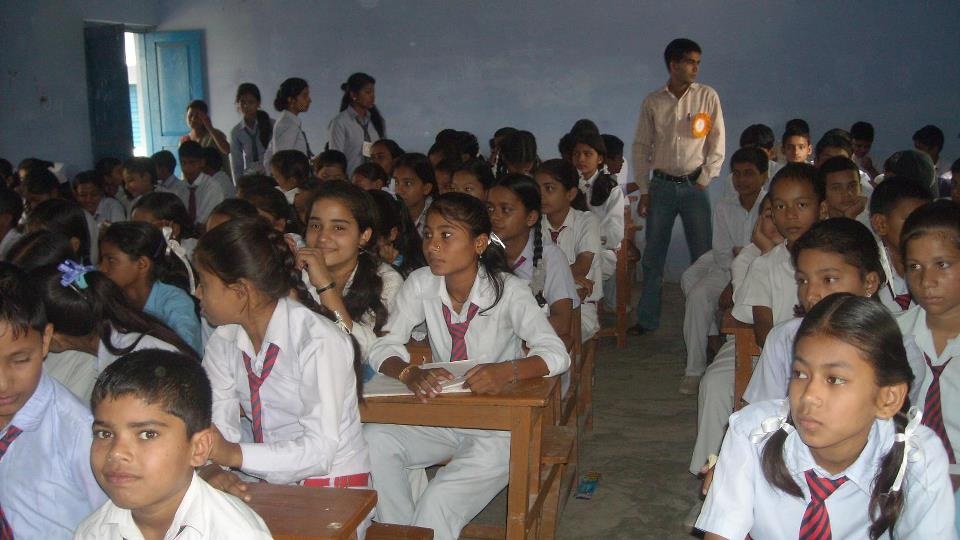
Student participation is organised through education, reader, environment, and cultural groups. The college has formed more than 12 reader groups to encourage regular reading and library use.
Students involved in the reader groups select participants, organise reading activities, and take responsibility for group coordination. The college supports these activities through access to library resources and recognition for participation.
Educational groups also give students opportunities to practise leadership and representation. Members are selected from different academic years, allowing students from several levels to take part in group activities.
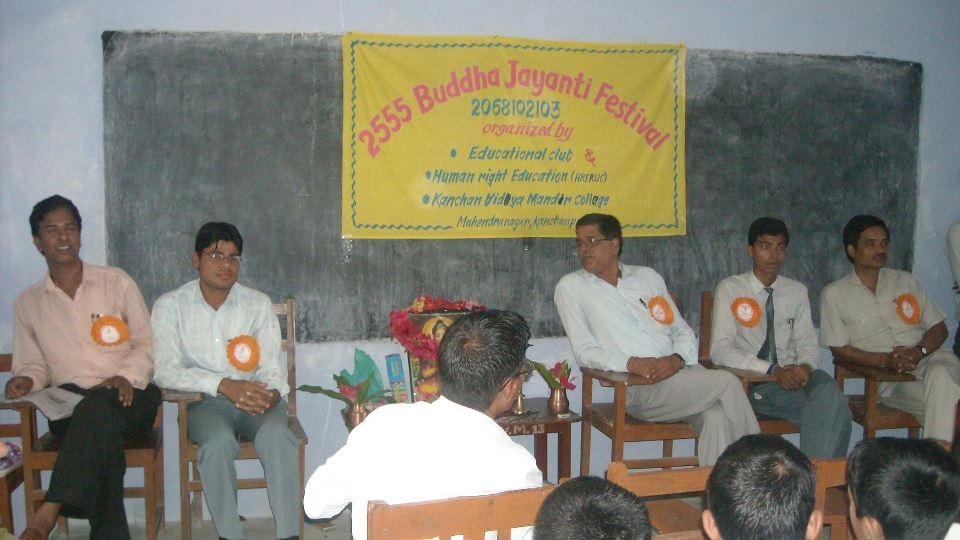
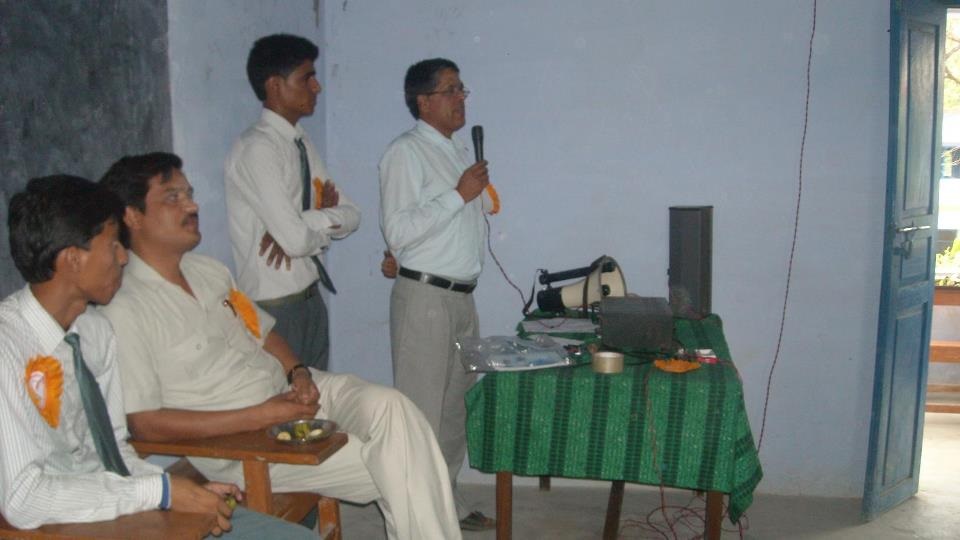
The college conducts academic, cultural, social, and sports-related activities throughout the year. These include:
Orientation and introductory programs for new students
Annual college functions
Welcome programs
Farewell programs
Sports meetings
Quiz, dance, and cultural performances
Reader, education, environment, and cultural groups
Outreach activities
During annual functions, students present local dress, songs, dance, games, and quiz activities. Participants may receive medals and certificates for their involvement and performance.
Welcome and farewell programs also involve students from different academic years. These activities help new students become familiar with the college environment and create interaction among junior and senior groups.
As a community institution, the college takes part in educational and social activities beyond regular classroom teaching.
Its community-related activities have included:
Health awareness programs
Distribution of sanitary pads to bus park staff needing support
Tree plantation within the college premises
A blood donation campaign conducted with the Red Cross Society on 2080-08-15
Financial literacy activities
Sanitation programs at local religious places
Participation in Yoga Day activities organised by Bheemdatt Municipality
The college also seeks regular interaction with guardians, social workers, local authorities, business communities, and other stakeholders. Guardian meetings, seminars, workshops, national-day programs, and community discussions form part of this engagement.
Scholarship schemes are available for students from economically disadvantaged, diligent, and marginalised backgrounds.
Other student services associated with the college include:
Academic counselling
Extra classes
Library and e-library access
Computer laboratory access
Internet and multimedia resources
Sports and extracurricular activities
Educational tours
Cafeteria services
Transportation
Hostel facilities
Scholarships and academic support are intended to reduce barriers for students who may otherwise face difficulty continuing higher education.
Kanchan Vidhya Mandir Secondary School operates as a sister organisation. It offers National Examinations Board-affiliated Ten Plus Two programs in:
Management
Science
Humanities
The secondary school and college are connected institutionally, while the BBS and MBS programs are the higher education programs affiliated with Tribhuvan University.
College Chief: Mr. Hari Singh Khati
Chairperson: Mr. Durga Prasad Joshi
The college chief is responsible for academic and administrative leadership, while the chairperson represents the governing and community management structure.
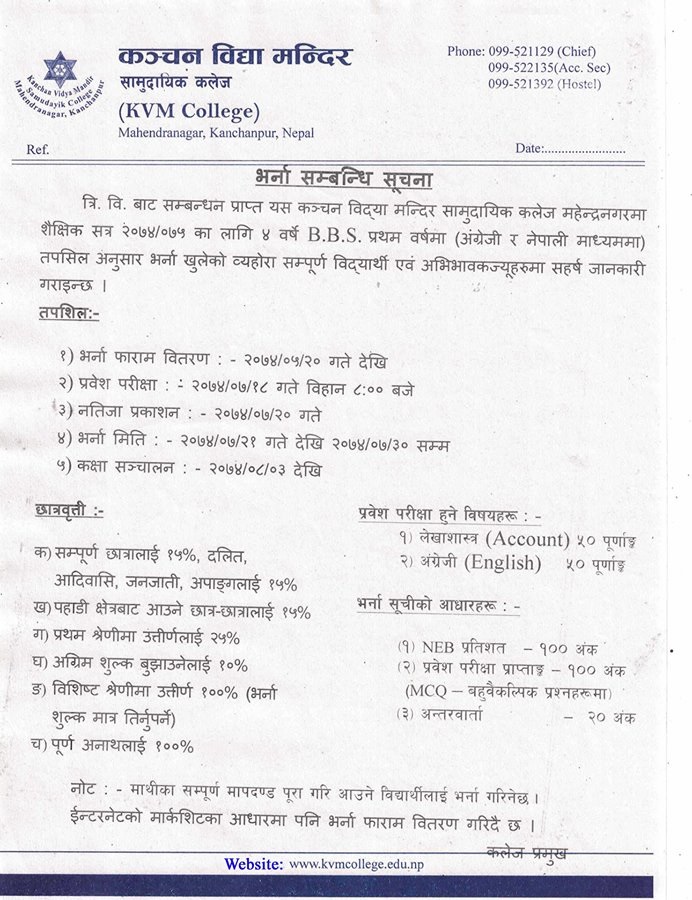
Prospective students can contact the college administration for current information about admission schedules, eligibility requirements, available seats, fees, scholarships, entrance procedures, and required documents.
Students applying for BBS or MBS should use the college’s official phone numbers or email address for the admission details applicable to their intended academic session.
Contact the KVMSC's administrative office for detailed information on the course, admissions, location, fees, scholarships, facilities, counseling, or eligibility.
Address: Bheemdatt-04, Mahendranagar, Kanchanpur, Sudurpashchim Province, Nepal
Phone: 099-521129, +977-99-522135, +977-9848720408
Email: collegekanchan@gmail.com
Website: www.kvmcollege.edu.np
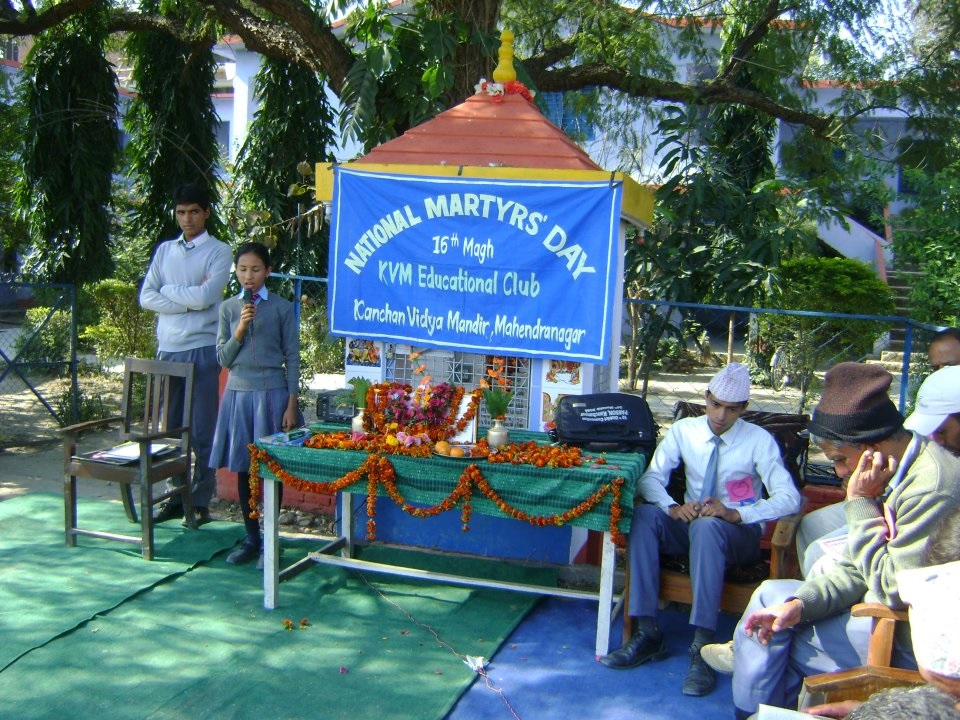
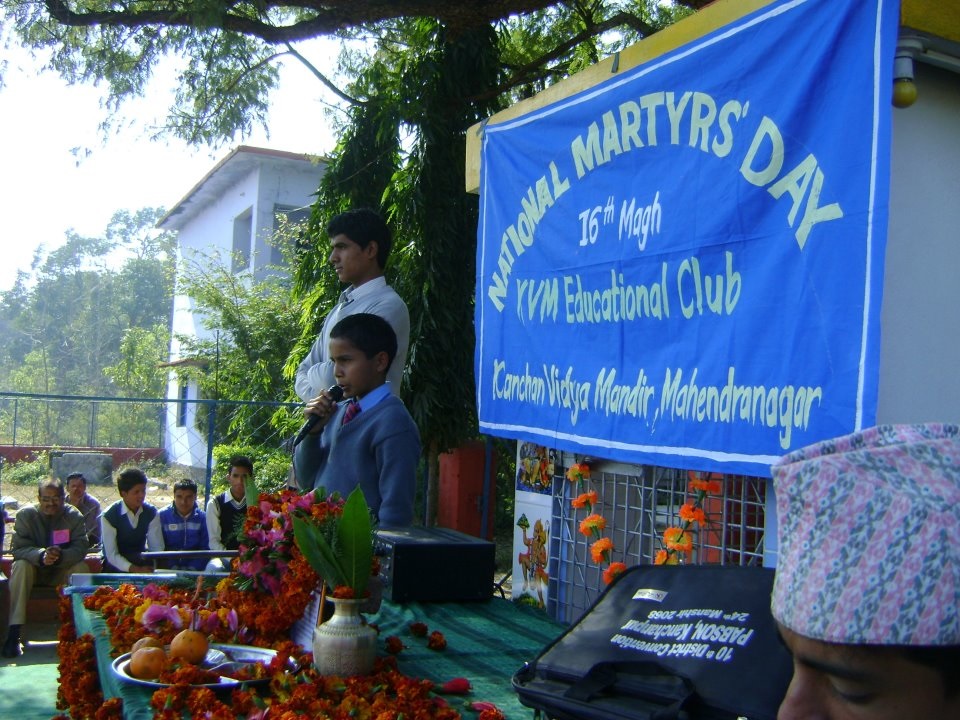
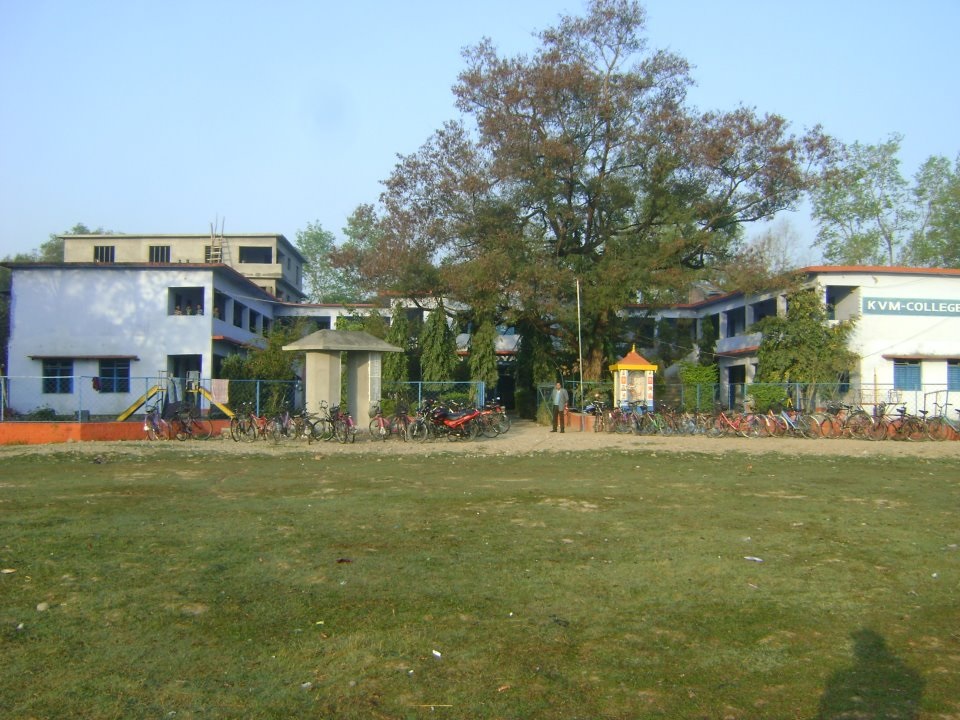
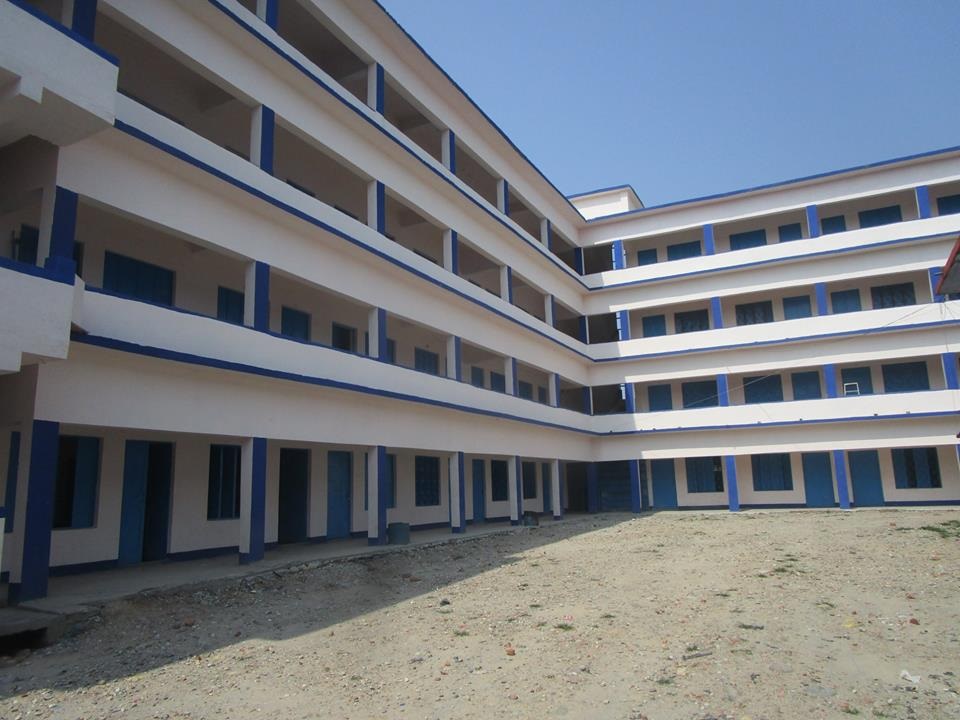
The college is located in Bheemdatt-04, Mahendranagar, Kanchanpur, Sudurpashchim Province, Nepal.
It was established in 2009 AD (2066 BS).
The college is affiliated with Tribhuvan University for its bachelor’s and master’s-level management programs.
It offers the Bachelor of Business Studies and Master of Business Studies programs.
Yes. The college received a Quality Assurance and Accreditation certificate from the University Grants Commission on 2076/09/07.
The college has classrooms, a library, an e-library, a computer laboratory, internet connections, projectors, smart boards, reference materials, journals, newspapers, a playground, and other teaching and administrative equipment.
Scholarship schemes are available for economically disadvantaged, diligent, and marginalised students.