Nepal Technical Institute (NTI) is a CTEVT-affiliated technical college in Janakpurdham, Dhanusa, Nepal, established in 2005. It offers PCL Nursing, Diploma in Civil Engineering, Diploma in Electrical Engineering, Diploma in Pharmacy, and Certificate in Medical Laboratory Technology (CMLT). Pre-Diploma options include Civil Sub-Overseer, Electrical Sub-Overseer, and Survey Engineering (AMIN). These programs follow national standards and are recognized by the Nepal Nursing Council, Nepal Health Professional Council, and Nepal Engineering Council. It's run under the management of Central Engineering College.
NTI focuses on practical learning with labs, workshops, clinical postings, and field exposure. The institute’s aim is to prepare skilled technicians and health workers who can serve hospitals, diagnostic labs, local infrastructure projects, utilities, and community services in Nepal and beyond.
Vision: Grow as a strong technical institute in engineering, health, and related fields while meeting accepted academic and professional norms.
Mission: Support motivated learners, promote safe and ethical practice, and encourage lifelong learning habits through classroom teaching and hands-on training.
Goals:
Prepare future technicians and health workers with workplace-ready skills.
Engage qualified faculty and mentors who guide students closely.
Build a supportive environment among students, staff, and stakeholders.
Founded: 2005
Location: Janakpurdham, Dhanusa, Nepal
Affiliation: Council for Technical Education and Vocational Training (CTEVT)
Recognition: Nepal Nursing Council (NNC), Nepal Health Professional Council (NHPC), Nepal Engineering Council (NEC)
Streams: Health Sciences, Engineering, Pharmacy, Survey
Programs and Seats (CTEVT):
Diploma in Civil Engineering — 48 seats
Diploma in Electrical Engineering — 48 seats
Diploma in Pharmacy — 40 seats
PCL Nursing — 40 seats
Certificate in Medical Laboratory Technology (CMLT) — 30 seats
Pre-Diploma in Civil Engineering (Civil Sub-Overseer) — 40 seats
Pre-Diploma in Electrical Engineering (Electrical Sub-Overseer) — 40 seats
Pre-Diploma in Survey Engineering (AMIN) — 40 seats
Learning Mode: Lab practice, workshops, field/clinical postings, and board assessments as per CTEVT rules
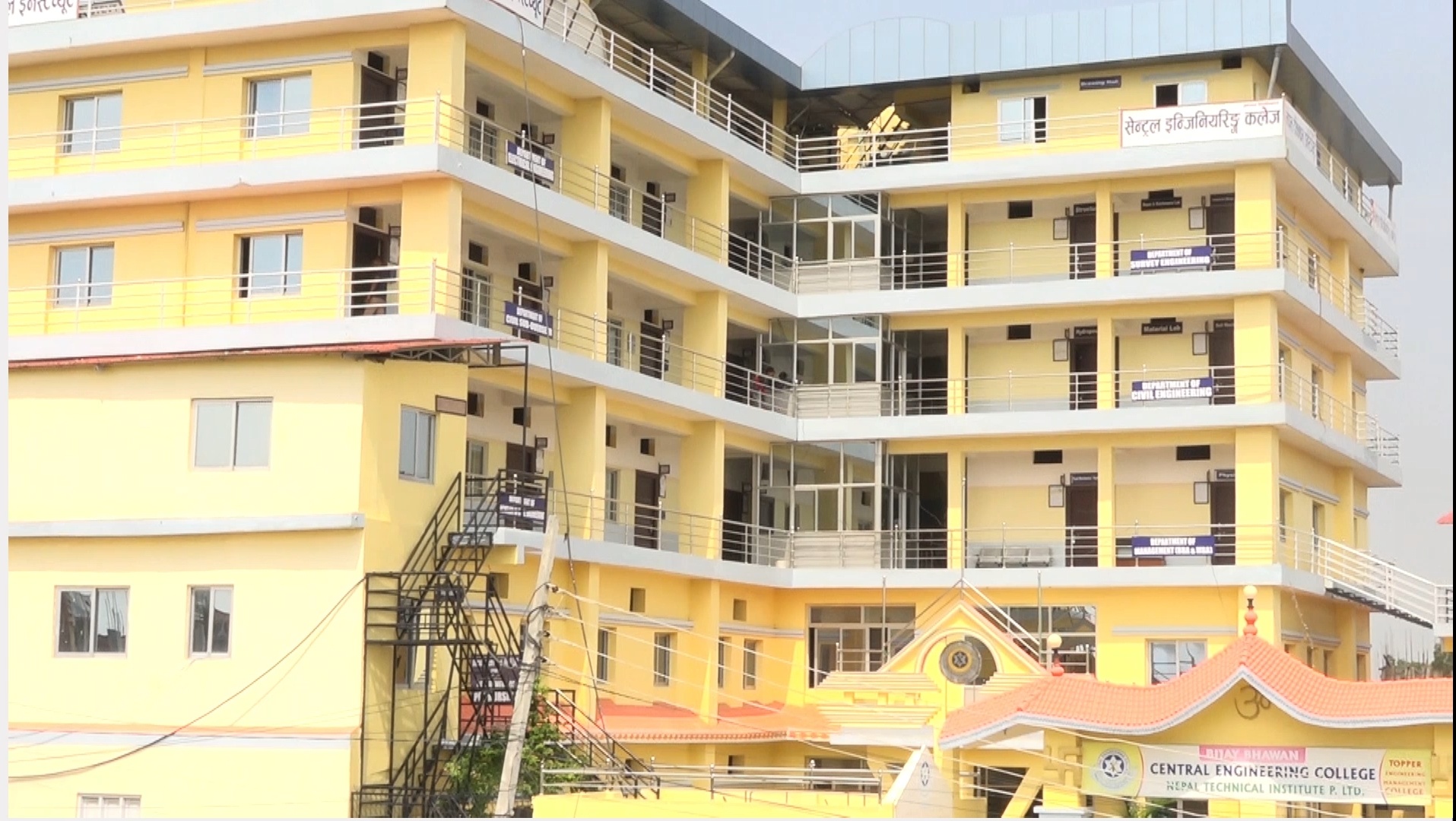
Core study includes construction materials, surveying, drawing, estimation, hydraulics, and basic structures. Students complete field practice and project work. Graduates support site supervision, quantity work, local infrastructure development, and junior roles in consulting offices.
The course covers electrical machines, wiring practice, instrumentation, power basics, renewable energy fundamentals, and safety. Learners handle installation, testing, and maintenance in buildings, industry, and utility contexts.
Focus areas include pharmaceutics, pharmacology basics, dispensing, quality standards, and community pharmacy practice. Practical sessions involve compounding, dosage forms, and patient counseling aligned with national rules for safe use of medicines.
Students study nursing foundations, medical-surgical care, maternal and child health, community health, and ethics. Clinical rotations take place in approved hospitals and health posts. Emphasis is placed on patient safety, documentation, and communication.
The curriculum includes hematology, clinical biochemistry, microbiology, parasitology, and lab organization. Training covers sample collection, biosafety, quality control, and standard reporting used by diagnostic labs.
Students learn basic drafting, surveying, construction materials, estimation, and site supervision. Practical exercises prepare learners for entry-level work on local projects.
Training includes domestic and commercial wiring, motor control, testing, and safety routines. Graduates assist in installation and maintenance under supervision.
Study covers plane surveying, leveling, mapping, and basic GIS exposure. Graduates support land measurement, record preparation, and local planning tasks.
Short-term skill programs may run based on approvals and demand (e.g., Telecom Technician, Livestock Assistant Technician), subject to official notices.
Eligibility: As per CTEVT rules for each level and stream. Pre-Diploma programs generally require SEE or equivalent. Diploma/PCL programs follow specific academic criteria set by CTEVT and the relevant councils.
Entrance & Merit: CTEVT conducts entrance examinations and publishes merit lists. NTI admits candidates according to merit, seat availability, and category provisions.
Application Steps:
Submit the application within the announced window.
Sit for the CTEVT entrance test (where required).
Attend counseling/verification with the required documents.
Complete fee payment and enrollment within the deadline.
Documentation: Academic certificates, character certificate, citizenship/ID, photographs, and any category-related documents as per the notice.
Faculty members bring sector experience from hospitals, labs, construction sites, utilities, and community projects. Teaching combines lectures, tutorials, lab practice, clinical postings, surveying camps, and site visits.
Nursing and CMLT students learn clinical etiquette and lab safety in real settings. Engineering students work with tools, instruments, drawing boards, and measurement devices under supervision.
Assessment follows CTEVT guidelines: internal evaluations, practical exams, project work, and final board examinations. Mentoring and a teacher-guardian approach support attendance, timely submission of tasks, and regular feedback to students and parents/guardians.
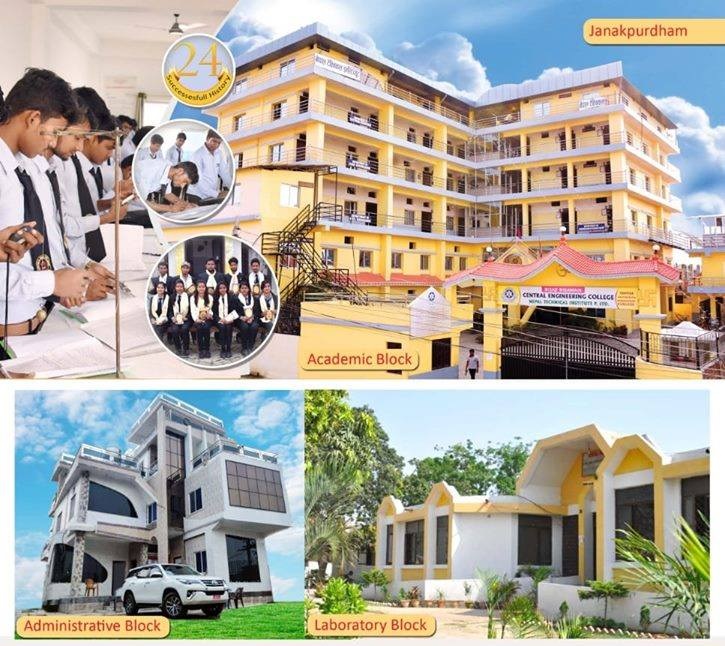
Labs and Workshops: Civil, Electrical, Pharmacy, and Medical Laboratory units for practical classes and assessments.
Library and Learning Resources: Textbooks, reference titles, journals/periodicals, e-resources, and a book-bank scheme for core texts.
ICT Access: Computer labs, Wi-Fi/LAN, and basic software tools for coursework and documentation.
Campus Services: EPABX/telephony, canteen, first aid, transport facility, and common areas for group study.
Quality Practices: Syllabus coverage as per plan, additional learning beyond minimum requirements, and periodic review of progress.
Facilities are used for routine classes, lab work, and board assessments. Students receive orientations on safety and standard operating procedures before hands-on sessions.
NTI follows a professional academic routine with clear rules on attendance, internal marks, and conduct. Timetables are shared in advance, and notices are posted for exams, deadlines, and events. Tutorials and consultation hours help students clear doubts and plan their study schedule.
Peer learning is encouraged through group labs and projects. The institute values punctuality, proper lab etiquette, respectful behavior in clinical and field settings, and honest academic practice.
Seminars and Guest Sessions: Talks by practitioners from hospitals, construction firms, pharmacies, and local projects.
Workshops and Industrial Visits: Exposure to tools, equipment, and on-site routines that reflect workplace realities.
Clubs and Outreach: Professional society activities, Rotaract initiatives, and student forums for social and academic engagement.
Sports and Cultural Events: Indoor/outdoor sports and cultural programs scheduled around the academic calendar.
These activities help students build teamwork, confidence, and communication skills that matter in the workplace.
CTEVT Schemes: National and provincial scholarships apply where announced. Students should follow official notices for quotas, criteria, and timelines.
Institutional Support: Awards for high performers and limited aid for economically needy students, as per rules.
External Support: Municipal/provincial assistance, NGO/INGO scholarships, or employer-linked sponsorships may be available based on eligibility.
All scholarships require proper documentation and must be completed within the declared deadlines.
Since 2005, NTI has prepared graduates who now serve in hospitals, diagnostic labs, health posts, construction sites, survey units, and electrical maintenance teams. Students have earned placements in board merit lists and completed field assignments that support local health and infrastructure needs.
Regular activities include industry interaction, training programs, and awareness sessions on safety and professional ethics. Alumni continue to contribute across the region’s healthcare and engineering services.
Recognized Programs: CTEVT affiliation with recognition from NNC, NHPC, and NEC.
Program Range: Health, pharmacy, electrical, civil, and survey options with defined seat capacity.
Hands-On Learning: Labs, workshops, clinical and field postings guided by safety and supervision.
Student Support: Teacher-guardian contact, counseling, and regular feedback loops.
Resources: Library access, book-bank, e-materials, and scheduled seminars/guest sessions.
Regional Context: Janakpurdham location with access to local industries, health units, and infrastructure projects.
These points help students plan realistic academic pathways and early career steps in their chosen field.
Nepal Technical Institute offers diploma and pre-diploma pathways in health, engineering, pharmacy, and survey for students seeking practice-oriented education in Janakpurdham. With recognized programs, structured labs and clinical postings, and assessments based on national standards, the institute supports steady academic progress for learners from Nepal and abroad who wish to study in Nepal. Applicants should track CTEVT and NTI notices for entrance schedules, counseling dates, and scholarship updates.
Note: Program structures, seats, and admission criteria follow CTEVT and relevant professional council rules. For the latest details, refer to official notices before applying.
Contact Nepal Technical Institute's administrative office for detailed information on the course, admissions, location, fees, scholarships, facilities, counseling, or eligibility.