Shubhashree College of Management is located in New Baneshwor, Kathmandu. Established in 2013 AD, the college operates as part of the DV Education Group and is affiliated with Pokhara University. Its undergraduate academic areas cover business administration, hotel management, and computer system and information technology.
The college combines university coursework with practical sessions, projects, presentations, workshops, field visits, industry interaction, technical training, hospitality practice, career preparation, competitions, and student activities. These activities vary by program, giving BBA, BHM, and BCSIT students opportunities related to their respective areas of study.
Institution: Shubhashree College of Management
Established: 2013 AD
Location: New Baneshwor, Kathmandu
Institutional Group: DV Education Group
Affiliation: Pokhara University
Academic Areas: Management, Hospitality, and Information Technology
Programs: BBA, BHM, and BCSIT
Learning Support: Classrooms, library, computer lab, research and training activities, business incubation support, and sports facilities
Student Activities: Workshops, practical sessions, projects, industry visits, career sessions, competitions, clubs, sports, and community programs
The college states a vision of becoming a preferred choice for management, hospitality, and IT education in Nepal. Its academic and student activities reflect an emphasis on coursework as well as practical exposure, professional interaction, communication, teamwork, and subject-based application.
Shubhashree College of Management is affiliated with Pokhara University. The affiliation forms the academic framework for the bachelor's programs offered by the college.
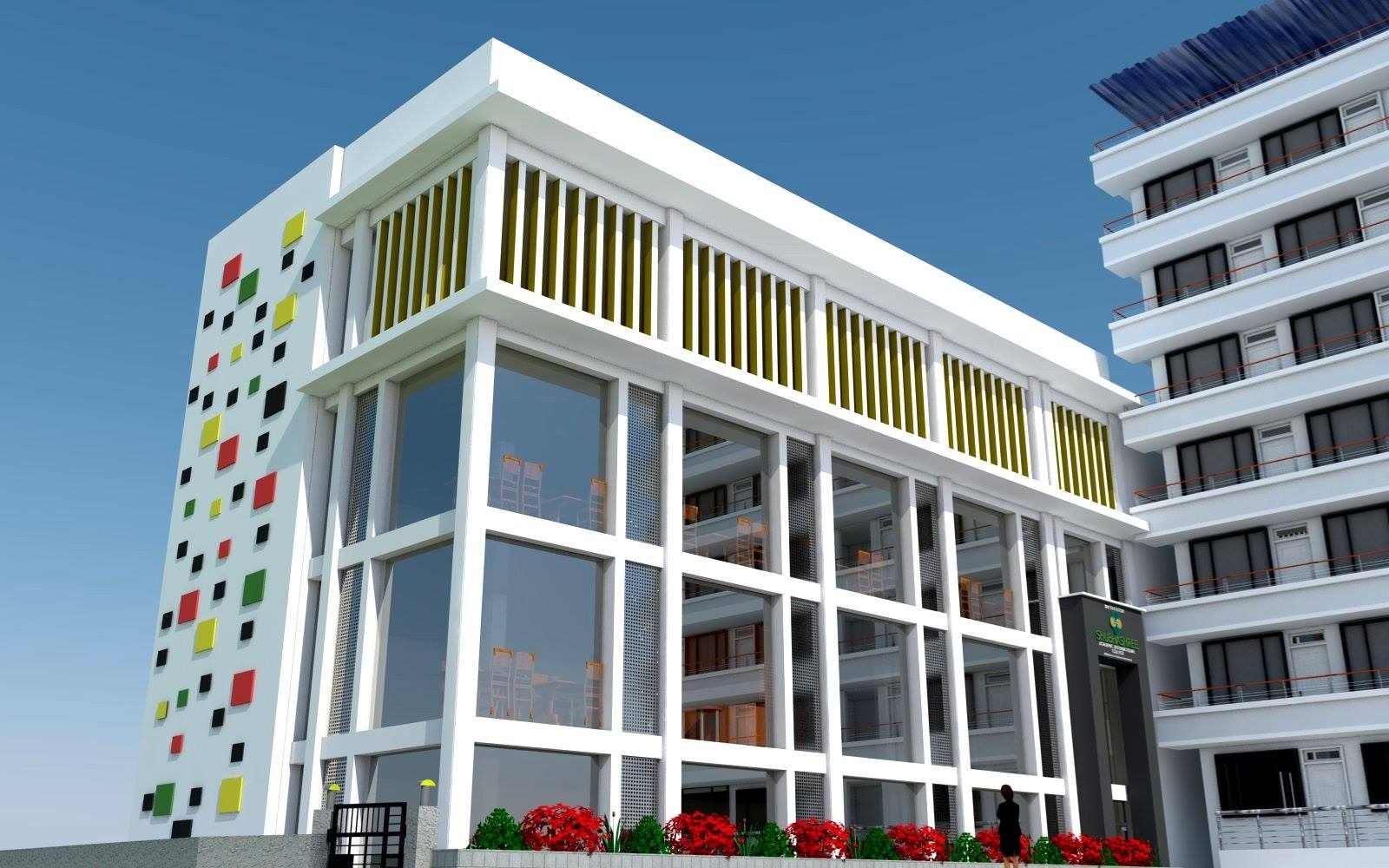
The three programs represent separate but related areas of professional education. BBA addresses business and management studies, BHM focuses on hospitality, and BCSIT combines computing with information systems. This academic mix brings management, hospitality, and technology students into one institutional setting while allowing each program to maintain its own practical and subject-specific activities.
The college supplements regular academic study with presentations, assignments, workshops, project work, practical sessions, software-based learning, field exposure, and interaction with professionals and organizations.
| Program | Academic Area | Main Learning Context |
|---|---|---|
| Bachelor of Business Administration (BBA) | Business and management | Business analysis, presentations, practical exercises, software skills, and field exposure |
| Bachelor of Hotel Management (BHM) | Hospitality management | Hospitality operations, food and beverage practice, service skills, and industry exposure |
| Bachelor of Computer System and Information Technology (BCSIT) | Computing and IT | Programming, web technologies, computer systems, projects, and technical practice |
The Bachelor of Business Administration (BBA) program focuses on business administration and the development of analytical, critical, and reflective thinking in business-related situations.
The academic environment includes activities connected with communication, accounting, human resource management, marketing, entrepreneurship, data analysis, finance, and workplace preparation. Students have participated in SPSS practical sessions, Advanced Excel training, case-study exercises, marketing practical work, presentations, career-mapping sessions, business communication programs, accounting training, and share-market learning activities.
Human resource-related activities have included field exposure and discussion around workforce issues. Business students have also taken part in role-play exercises and presentations, allowing classroom concepts to be examined through situations that require communication, interpretation, and decision-making.
Entrepreneurship has appeared through startup-focused activities and idea-development programs. These activities give students space to discuss how a business idea can be presented, examined, and developed within an academic setting.
Internship interaction, interview preparation, employer contact, and job-focused sessions form another part of the BBA student experience. They sit alongside academic study rather than replacing it, providing students with opportunities to understand workplace expectations and professional communication.
The Bachelor of Hotel Management (BHM) program is centered on hospitality knowledge and practical skills related to hotel and service operations.
Hospitality students take part in practical sessions that connect their studies with food production, beverages, service operations, hygiene, hotel systems, and related areas. Activities have included bakery training, mixology sessions, food hygiene and HACCP awareness, coffee preparation, ice and vegetable carving, barista activities, cooking competitions, Property Management System training, and semester-based practical work.
These activities create opportunities to work with hospitality tasks rather than studying them only as classroom concepts. Practical exercises also require students to follow procedures, organize their work, communicate within teams, and present outcomes.
Hospitality-related visits and institutional interaction extend this learning outside the classroom. Students have been exposed to hotel operations, tourism organizations, food and beverage environments, production settings, and other workplaces connected with hospitality and service management.
Competitions in cooking, barista skills, and related areas add another form of practical participation. Such activities allow students to apply what they have practiced in a structured setting while working within time, presentation, and task requirements.
The Bachelor of Computer System and Information Technology (BCSIT) provides the college's undergraduate pathway in computing and information technology.
BCSIT learning includes technical practice alongside academic coursework. Students have participated in HTML and CSS training, GitHub workshops, Python-related sessions, microprocessor practical work, project submission, technical quizzes, and student-led technical training.
Project work gives students opportunities to connect concepts with a defined technical task. Web development activities introduce practical work with front-end technologies, while programming and computer-system sessions extend the learning context into coding and hardware-related areas.
Student-to-student training has also formed part of the technology program. This creates a setting in which students can practice explaining technical concepts as well as applying them.
The technology program is also supported by interaction with organizations working in software, financial technology, and related sectors. Such contact gives students a view of professional environments associated with computing and information systems.
A noticeable part of the college's academic activity is the use of practical work in different forms. The approach differs between programs rather than applying the same activity to every student.
BBA activities often involve presentations, software use, business cases, role play, marketing exercises, workplace communication, and field-based learning. BHM students work through hospitality practice, food and beverage sessions, service-related exercises, hotel systems, and competitions. BCSIT students undertake programming, web development, computer-system practical work, projects, and technical workshops.
Cross-program activities have included:
internship interaction and report-writing sessions;
interview preparation and career-mapping programs;
communication and workplace-attire sessions;
accounting and spreadsheet training;
digital marketing workshops;
entrepreneurship and startup activities;
case-study exercises;
field and industrial visits;
employer and company interaction;
project presentations and viva sessions.
The activities complement regular teaching by creating occasions where students must perform a task, present an idea, use software, communicate with others, or observe an organization outside the college.
The college identifies several facilities intended to support academic and student activities. These include classrooms, a library, a computer lab, a cafeteria-cum-cafe, a business incubation center, research and training arrangements, and sports facilities.
The facilities correspond with different aspects of the college's academic work. Computer-based activities support IT and software-related learning, while classrooms and presentation spaces are used for lectures, discussions, workshops, and student presentations.
The business incubation center relates to entrepreneurship and business-development activities. Research and training activities provide additional settings for workshops and skills-oriented sessions. Hospitality learning also involves practical work that requires spaces and equipment suited to food, beverage, and service training.
The college describes its campus environment in terms of cleanliness, connectivity, multimedia use, and sustainability. Within the academic context, these elements are tied to the broader aim of providing a setting where regular coursework and practical activities can take place together.
Shubhashree College of Management has recorded Memoranda of Understanding with organizations in technology, financial technology, hospitality, and higher education.
Organizations associated with these agreements include:
F1Soft International, associated with eSewa and Fonepay;
Leapfrog Connect Pvt. Ltd., an initiative of Leapfrog Technology Pvt. Ltd.;
Source Code;
Hansikar Technologies;
Mercure Kathmandu;
Bellevue University in Nebraska, USA.
The agreements have been connected with areas such as internships, industry exposure, professional interaction, workshops, academic cooperation, and career-related activities.
The technology-sector agreements are especially relevant to students studying computing and information systems, while the hospitality relationship provides a connection with hotel operations. The Bellevue University agreement has been associated with academic opportunities for BBA students.
These arrangements are better understood as institutional channels for interaction rather than automatic outcomes for individual students. Their relevance lies in providing opportunities for academic and professional contact, internships, workshops, organizational visits, or related student activities where applicable.
Field and industrial visits form another part of student activity. Students have taken part in visits or interaction involving organizations from production, tourism, hospitality, beverage operations, technology, and other sectors.
Examples have included Dairy Development Corporation, Nepal Distillery Pvt. Ltd., Dusit Princess Hotel, Nepal Tourism Board, Barahsinghe Brewery, and Leapfrog Technology.
Such visits allow students to observe organizational settings that differ from the classroom. For management students, a visit may provide context for operations, human resources, marketing, or organizational processes. Hospitality students can observe service environments and hotel functions, while technology students can gain exposure to workplaces connected with software and IT services.
The value of these visits rests in observation and interaction. They give students a chance to relate academic subjects to organizations operating in relevant fields.
Career preparation at the college includes a placement cell, internship-related activities, CV writing, interview preparation, employer interaction, and job-focused sessions.
Students have also participated in pre-placement activities and direct interaction with organizations. Internship sessions cover practical concerns around workplace experience and report writing, while interview-preparation programs address communication and presentation during recruitment processes.
Career preparation is not limited to placement activity. Communication sessions, presentations, software training, practical projects, industrial visits, and company interaction can also contribute to students' familiarity with professional environments.
The college's MoU network adds another point of contact between students and organizations. These relationships can support exposure to different sectors without implying a guaranteed internship, placement, or employment outcome.
Student life includes clubs, sports, academic competitions, cultural events, community activities, health-related programs, and program-specific competitions.
Activities have included:
technology quizzes;
community donation activities;
health-awareness programs;
health camps;
psychological counseling sessions;
sports programs and futsal;
cultural and religious events;
hospitality competitions;
academic presentations;
practical demonstrations;
student projects.
Some activities have a direct relationship with academic programs, while others focus on participation outside formal coursework. Sports and cultural programs provide a different type of campus involvement from classroom work, while community activities introduce students to social participation.
Student clubs also provide space for students with common interests to organize activities around technology, community work, and other areas.
International activity appears through academic partnerships and student-exchange arrangements. One identified relationship is the agreement with Bellevue University in Nebraska, USA, associated with opportunities for BBA students.
The college has also engaged in discussion connected with international internship and institutional cooperation. These activities form part of its broader external academic engagement.
International cooperation should be distinguished from guaranteed overseas study or internship opportunities. It represents institutional contact through which academic exchange, collaboration, or related activities may be arranged according to the terms of the particular partnership.
The college places academic knowledge alongside practical application and student development. Its programs use different forms of learning according to the subject area: business exercises for BBA, hospitality practice for BHM, and technical work for BCSIT.
Faculty teaching is accompanied by guest sessions, professional interaction, workshops, practical exercises, field visits, competitions, and projects. This gives students several ways to engage with a subject beyond lectures alone.
Communication and teamwork also appear repeatedly across activities. Presentations, role plays, practical competitions, projects, industrial visits, and student-led training all require students to work with others or explain their ideas.
The result is an academic setting where classroom study remains central but is supported by subject-specific practice and wider student participation.
Shubhashree College of Management is based in New Baneshwor, Kathmandu. The location serves the college's business administration, hotel management, and computer system and information technology programs.
Its Kathmandu setting also provides the base for industry visits, professional sessions, company interaction, academic programs, student clubs, competitions, and other college activities.
Shubhashree College of Management is a Pokhara University-affiliated college in New Baneshwor, Kathmandu, offering undergraduate education in business administration, hotel management, and computer system and information technology.
Its academic environment brings together regular coursework with program-specific practical sessions, projects, presentations, workshops, field exposure, industry interaction, career preparation, student clubs, sports, and community activities. The three programs follow different practical paths while sharing the same institutional setting and broader focus on connecting academic study with applied learning.

Shubhashree College of Management is located in New Baneshwor, Kathmandu, Nepal.
The college is affiliated with Pokhara University.
The college offers Bachelor of Business Administration, Bachelor of Hotel Management, and Bachelor of Computer System and Information Technology.
Activities differ by program. BBA students participate in business exercises, software training, presentations, case work, and field exposure. BHM students undertake hospitality practical sessions and service-related activities. BCSIT students work with programming, web technologies, computer systems, projects, and technical training.
The college has recorded agreements and interactions with organizations from technology, financial technology, hospitality, and higher education. These relationships have been associated with internships, professional interaction, workshops, academic cooperation, and industry exposure.
Facilities identified by the college include classrooms, a library, computer lab, cafeteria-cum-cafe, business incubation center, research and training arrangements, and sports facilities.