BE Computer Engineering at Himalayan Institute of Science and Technology (HIST), Gwarko, Lalitpur-17, is a bachelor's-level engineering program affiliated with Purbanchal University. HIST has 48 seats for the program.
The academic structure follows the Purbanchal University Faculty of Engineering curriculum effective from the 2021 batch. The curriculum is arranged across eight semesters and covers 150 credit hours. It begins with mathematics, science, programming, computing fundamentals, engineering drawing, and workshop study before moving into data structures, databases, computer architecture, operating systems, networks, software engineering, cloud computing, cybersecurity, project work, electives, and internship.
Affiliation: Purbanchal University
Level: Bachelor's
Academic Structure: Eight semesters
Total Credit Hours: 150
Seats: 48
Curriculum: Effective from the 2021 batch
Class Schedule at HIST: Morning shift, 6:30 AM to 12:30 PM
Includes programming, computer systems, electronics, databases, networking, software engineering, cloud computing, and cybersecurity subjects.
Project courses appear in the third, fifth, seventh, and eighth semesters.
Internship is included in the eighth semester.
The curriculum contains both theory and practical components across a range of technical subjects.
The BE Computer Engineering curriculum develops in stages rather than concentrating only on programming. Early semesters establish mathematics, science, computing, electrical, and engineering fundamentals. The middle semesters add software development, databases, electronics, computer architecture, operating systems, networks, and research-related coursework. The final semesters place greater emphasis on distributed computing, project management, cybersecurity, electives, project work, and internship.
| Semester | Main Subjects | Credit Hours |
|---|---|---|
| First | Mathematics I, Physics, English for Technical Communication, Computer Programming, Fundamental of Computing Technology, Engineering Drawing, Workshop Technology | 21 |
| Second | Mathematics-II, Chemistry, Object Oriented Programming with C++, Digital Logic, Basic Electrical Engineering, Applied Mechanics | 18 |
| Third | Mathematics-III, Data Structure and Algorithm, Object Oriented Analysis and Design, Computer Graphics, Electronic Devices and Circuits, Applied Sociology, Project I | 20 |
| Fourth | Database Management System, Python Programming, Discrete Structure, Microprocessor, Communication System, Probability & Statistics | 18 |
| Fifth | Algorithm Analysis and Design, Computer Architecture and Design, Numerical methods, Operating system, Engineering Economics, Research Methodology, Project-II | 20 |
| Sixth | Artificial Intelligence, Computer Network, Internet of Things (IoT), Software Engineering, Theory of Computation, Elective-I | 18 |
| Seventh | Distributed & Cloud Computing, Information Technology Project Management, Simulation and Modeling, Elective-II, Elective-III, Project-III (Part A) | 18 |
| Eighth | Cyber Security, Engineering Professional Practice, Elective-IV, Project-III (Part B), Internship | 17 |
The first semester carries 21 credit hours and establishes the initial engineering and computing base.
Students study Mathematics I and Physics alongside English for Technical Communication. Computer Programming and Fundamental of Computing Technology introduce the computing side of the degree, while Engineering Drawing and Workshop Technology bring in broader engineering study.
Computer Programming includes lecture, tutorial, and practical components. Physics and Fundamental of Computing Technology also include practical work.
The second semester carries 18 credit hours.
Mathematics-II and Chemistry continue the science and mathematics component. Object Oriented Programming with C++ moves programming into object-oriented development, while Digital Logic introduces digital systems. Basic Electrical Engineering and Applied Mechanics maintain the engineering foundation of the program.
Object Oriented Programming with C++, Digital Logic, Basic Electrical Engineering, and Chemistry contain practical components within the semester structure.
The third semester carries 20 credit hours and moves further into computing and electronics.
Data Structure and Algorithm introduces the organization and processing of data, while Object Oriented Analysis and Design continues the object-oriented sequence. Computer Graphics adds graphical computing, and Electronic Devices and Circuits extends the electronics component.
Students also study Mathematics-III and Applied Sociology.
Project I appears in this semester as the first dedicated project course in the curriculum.
The fourth semester has 18 credit hours.
Database Management System and Python Programming develop two distinct areas of software study. Discrete Structure provides a mathematical component connected with computing, while Microprocessor and Communication System extend the hardware and communication side of the curriculum.
Probability & Statistics completes the semester and provides another mathematical subject within the program.
Database Management System, Python Programming, Microprocessor, Communication System, and Probability & Statistics contain practical components.
The fifth semester carries 20 credit hours and brings together algorithms, computer systems, numerical computation, operating systems, economics, research, and project work.
Students study Algorithm Analysis and Design along with Computer Architecture and Design. Numerical methods and Operating system add computational and system-level study.
Engineering Economics and Research Methodology broaden the academic structure beyond purely technical subjects. Project-II continues the project sequence introduced in the third semester.
The sixth semester has 18 credit hours.
Artificial Intelligence, Computer Network, Internet of Things (IoT), Software Engineering, and Theory of Computation form the core of the semester. Students also take Elective-I.
Several subjects combine lectures with practical work, including Artificial Intelligence, Computer Network, Internet of Things (IoT), and Theory of Computation.
The seventh semester carries 18 credit hours and introduces Distributed & Cloud Computing, Information Technology Project Management, and Simulation and Modeling.
Students also take Elective-II and Elective-III, giving the semester two elective components.
Project-III (Part A) begins during this semester and continues into the final semester. Distributed & Cloud Computing, Simulation and Modeling, and both electives include practical components in the curriculum.
The eighth semester has 17 credit hours and completes the academic sequence with Cyber Security, Engineering Professional Practice, Elective-IV, Project-III (Part B), and Internship.
Project-III therefore runs across the final two semesters in two parts. The internship is a separate three-credit course in the eighth semester.
Programming begins in the first semester with Computer Programming and develops through several later subjects.
The curriculum includes:
Computer Programming
Object Oriented Programming with C++
Data Structure and Algorithm
Object Oriented Analysis and Design
Python Programming
Database Management System
Algorithm Analysis and Design
Operating system
Software Engineering
Theory of Computation
This sequence places programming alongside software design, databases, algorithms, operating systems, and software engineering rather than treating coding as a standalone part of the degree.
The curriculum also contains subjects focused on the physical and systems side of computing.
Digital Logic and Basic Electrical Engineering appear in the second semester. Electronic Devices and Circuits follows in the third semester, while Microprocessor and Communication System are part of the fourth semester.
Computer Architecture and Design appears in the fifth semester. Computer Network and Internet of Things (IoT) are taught in the sixth semester, followed by Distributed & Cloud Computing in the seventh and Cyber Security in the eighth.
Mathematics is present through the first three semesters as Mathematics I, Mathematics-II, and Mathematics-III. Probability & Statistics appears in the fourth semester, while Numerical methods is included in the fifth.
Physics, Chemistry, Engineering Drawing, Workshop Technology, Basic Electrical Engineering, and Applied Mechanics provide the broader engineering and science components of the program.
Engineering Economics, Research Methodology, Applied Sociology, Information Technology Project Management, and Engineering Professional Practice add academic and professional subjects alongside the main technical courses.
Project work is distributed across several stages of the curriculum rather than being confined to the final semester.
Project I is included in the third semester, followed by Project-II in the fifth. Project-III is divided into Part A in the seventh semester and Part B in the eighth semester.
HIST also has a project room where students can work on hardware or software projects. The campus infrastructure includes computer facilities and internet connectivity that can support this type of academic work.
The semester structure contains practical hours in numerous programming, electronics, computing, communication, and technical subjects.
Computer Programming, Fundamental of Computing Technology, Object Oriented Programming with C++, Digital Logic, Data Structure and Algorithm, Computer Graphics, Database Management System, Python Programming, Microprocessor, Computer Architecture and Design, Operating system, Artificial Intelligence, Computer Network, Internet of Things (IoT), and several later subjects include practical components.
The eighth-semester internship provides another distinct component beyond regular classroom subjects.
Elective study begins in the sixth semester and continues through the final year.
The curriculum provides:
Elective-I in the sixth semester
Elective-II and Elective-III in the seventh semester
Elective-IV in the eighth semester
The available curriculum structure identifies these elective positions without specifying the individual elective subjects.
The Purbanchal University course structure separates assessment into internal and final components. Depending on the subject, assessment may include theory, practical work, or both.
Programming and laboratory-oriented subjects frequently carry separate practical marks, while project courses use assessment arrangements suited to project work. This pattern continues across the eight-semester curriculum.
HIST conducts bachelor's-level classes in the morning shift from 6:30 AM to 12:30 PM. The college is located at Gwarko, Lalitpur-17.
For BE Computer Engineering students, this places regular undergraduate teaching within the college's established morning academic schedule.
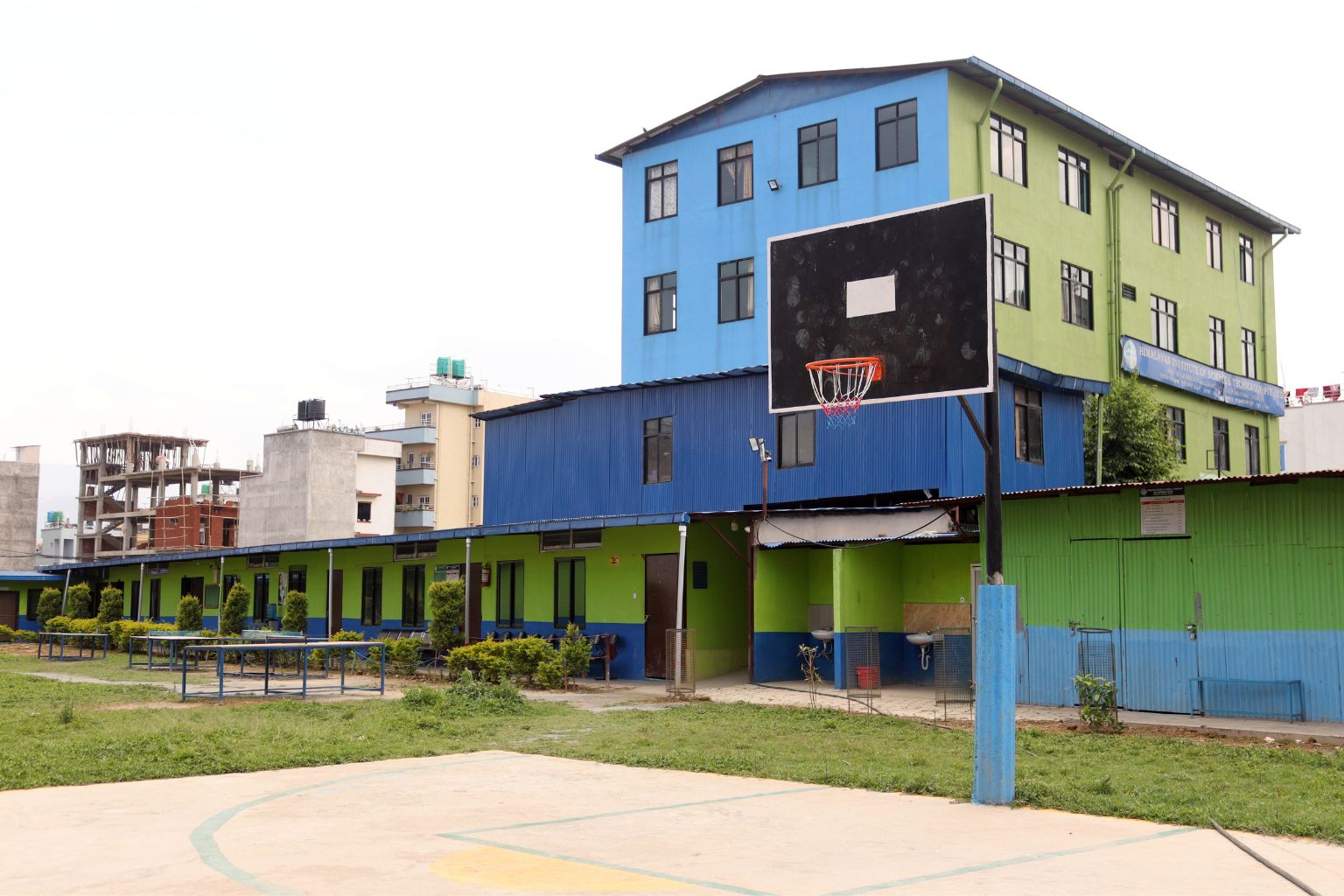
The HIST campus includes a computer lab, library and computer center, laboratories, lecture halls, drawing halls, workshop facilities, and project space.
The college also has optical-fiber-based broadband internet connectivity and an open-access library system with an E-lab facility. A project room is available for hardware and software project work.
These facilities correspond with curriculum components that require programming practice, computer work, technical projects, laboratory activity, workshop study, and internet access.
BE Computer Engineering at HIST combines computing with engineering foundations across an eight-semester, 150-credit curriculum. Its academic sequence covers programming, algorithms, databases, electronics, computer architecture, operating systems, networks, software engineering, artificial intelligence, cloud computing, cybersecurity, projects, electives, and internship.
With 48 seats, the program is offered at HIST in Gwarko, Lalitpur under Purbanchal University affiliation.