The Diploma in Civil Engineering at Lumbini Engineering College is a three-year technical program affiliated with the Council for Technical Education and Vocational Training (CTEVT). The program has 48 seats and is designed to prepare middle-level technical personnel with academic knowledge and practical skills related to civil engineering.
At the college, diploma study operates under CTEVT, separate from the Pokhara University-affiliated bachelor’s and master’s programs. The Civil Engineering diploma focuses on technical work connected with roads, irrigation, water supply, urban development, building construction, and other civil infrastructure sectors.
| Particular | Details |
|---|---|
| Course | Diploma in Civil Engineering |
| College | Lumbini Engineering College |
| Affiliation | CTEVT |
| Duration | 3 Years |
| Seats | 48 |
| Level | Diploma |
| Location | Tilottama-7, Bhalwari, Rupandehi |
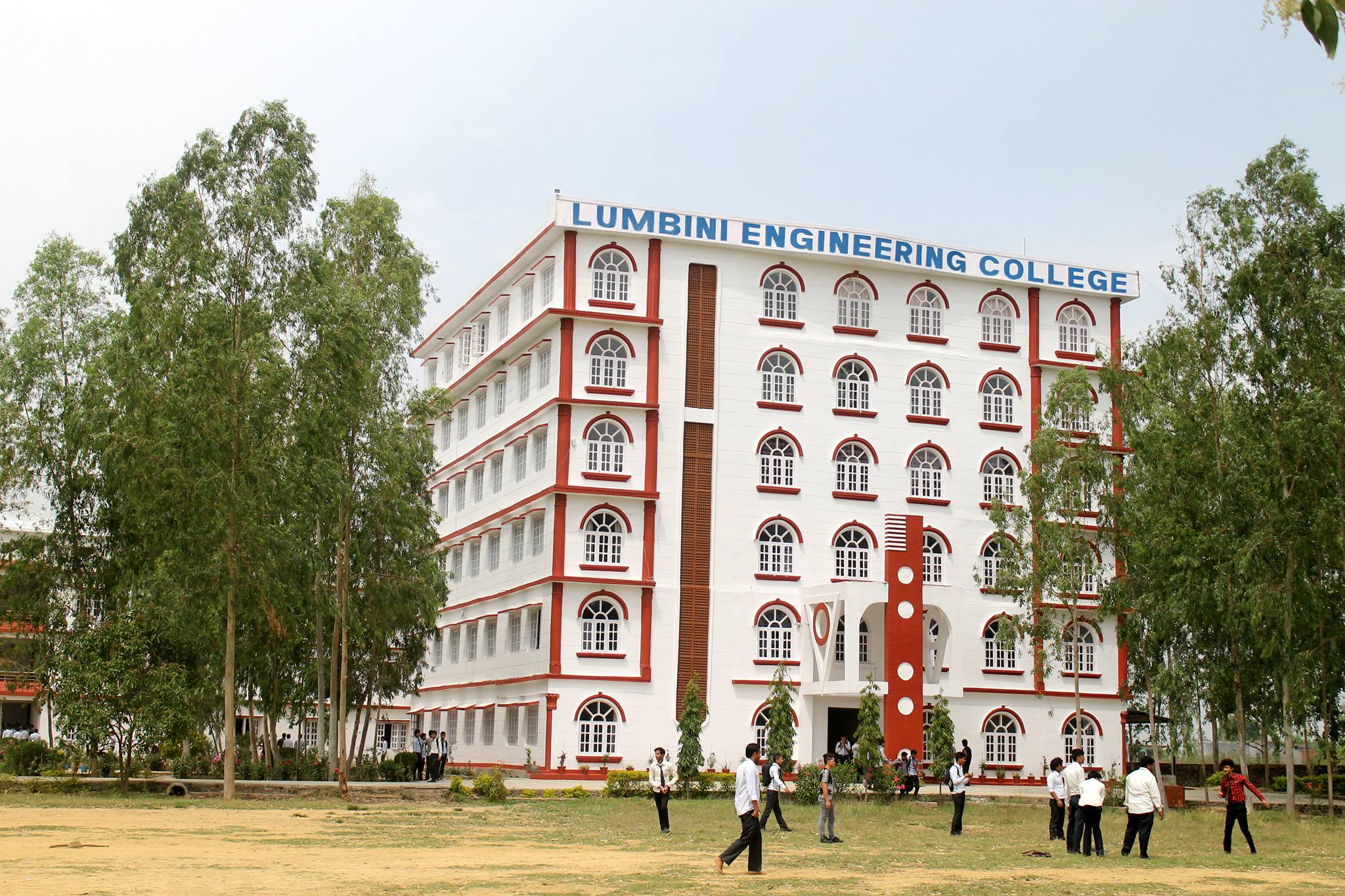
Lumbini Engineering College was established in 2000 A.D. and is located at Tilottama-7, Bhalwari, Rupandehi, Lumbini Province. Diploma-level programs at the institution are affiliated with CTEVT. The college also has a Civil Department and engineering facilities relevant to its technical programs.
The program is structured around the preparation of civil engineering technicians who can work with practical infrastructure activities. Its stated aim is to produce middle-level technical personnel with academic knowledge and technical skills that can be applied in real working situations.
The program’s civil engineering orientation includes:
Road-related technical work
Irrigation projects
Water-supply infrastructure
Urban development
Building construction
Other civil infrastructure development
Supervisory work in civil engineering
These areas place the course close to the day-to-day technical side of infrastructure development rather than advanced engineering design or postgraduate-level management.
The Diploma in Civil Engineering is intended to prepare technicians who can undertake civil engineering work across infrastructure-related departments and sectors.
Its principal objectives include preparing students to:
Work as Civil Engineering Technicians in road, irrigation, water supply, urban development, building construction, and related infrastructure areas.
Carry out supervisory responsibilities associated with civil engineering work.
Develop the technical knowledge and skills required for middle-level civil engineering roles.
Maintain professional attitudes and respect for socio-cultural values.
Contribute technical skills to public and private infrastructure-development activities.
Develop the capacity to consider self-employment within the discipline.
These objectives make the course relevant to students interested in the technical execution and supervision of civil works.
The entry criteria identified for the program are:
SLC Pass or SEE with a minimum C grade in Compulsory Mathematics and Science and D+ in English.
Pre-diploma in Civil Engineering with a minimum of 67.00%.
Applicants must pass the entrance examination administered by CTEVT.
The entrance examination is therefore a required part of admission to the program for eligible applicants.
The Diploma in Civil Engineering runs for three years and has an intake capacity of 48 seats at Lumbini Engineering College.
The three-year duration gives students time to develop technical knowledge alongside practical civil engineering skills. The course is positioned at diploma level within the college’s CTEVT academic stream.
Rather than limiting civil engineering to building construction, the program connects students with several forms of physical infrastructure.
Road work requires technical understanding of construction and supervision. Irrigation and water-supply projects introduce students to infrastructure serving agricultural and community needs. Urban development and building construction bring additional technical responsibilities related to civil works.
The program also prepares students for supervisory functions. This is important because civil engineering technicians may be involved not only in carrying out technical tasks but also in monitoring work and supporting the execution of infrastructure projects.
The college maintains engineering and IT laboratories as part of its academic facilities. Its wider learning resources include an e-library, semester book support, and classrooms equipped with projectors.
Lumbini Engineering College also conducts supplementary technical training in areas that include AutoCAD and E-tabs, alongside other software and technical tools. These activities form part of the college’s broader technical learning environment rather than the stated CTEVT curriculum for the diploma itself.
Field exposure is also included in the college’s academic activities. Students may visit offices, industries, hydropower facilities, and other technical work environments as part of practical exposure. These activities can help students relate engineering study to operating workplaces and infrastructure settings.
The program aims to build practical technical ability at the civil engineering technician level. Based on its stated objectives, students are prepared for work involving infrastructure activities and supervision.
Relevant areas of skill development include:
Applying civil engineering knowledge in practical situations
Supporting road and infrastructure works
Working with irrigation and water-supply activities
Participating in building and urban-development projects
Carrying out technician-level civil engineering responsibilities
Supporting supervision of civil works
The emphasis is on developing a technically competent middle-level workforce rather than treating the diploma as equivalent to a bachelor’s engineering degree.
The program is designed around civil engineering technician roles in infrastructure development. Areas specifically connected with its objectives include roads, irrigation, water supply, urban development, building construction, and other civil infrastructure sectors.
Graduates may therefore consider technician-level and supervisory work related to these areas, depending on available positions, individual skills, experience, and applicable employment requirements.
The program also includes self-employment among its stated objectives. This should be understood as one possible direction rather than a guaranteed outcome. Career progress will depend on technical competence, experience, the nature of available projects, and individual professional development.
The Diploma in Civil Engineering may suit students who meet the CTEVT entry criteria and are interested in practical infrastructure work.
It is particularly relevant for students interested in areas such as:
Buildings and construction
Roads
Water supply
Irrigation
Urban infrastructure
Technical supervision
Field-based civil engineering work
Students should be comfortable with mathematics, science, technical learning, and practical work because these areas are directly connected with the nature of civil engineering education.
The program runs for three years.
The Diploma in Civil Engineering has 48 seats.
The program is affiliated with the Council for Technical Education and Vocational Training (CTEVT).
Yes. Applicants are required to pass the entrance examination administered by CTEVT.
Applicants with SLC Pass or SEE need a minimum C grade in Compulsory Mathematics and Science and D+ in English.
Yes. Pre-diploma in Civil Engineering with a minimum of 67.00% is included in the entry criteria.
The program covers technician-level work related to roads, irrigation, water supply, urban development, building construction, other civil infrastructure, and civil engineering supervision.