



The Bachelor of Computer Engineering (BE Computer) at Lumbini Engineering College is a four-year bachelor-level engineering program with 48 seats. It is offered through Lumbini Engineering, Management and Science College and is affiliated with Pokhara University.
Computer Engineering combines computer science, electronics, and electrical engineering concepts involved in computer systems. The program covers programming, computer architecture, databases, operating systems, networks, embedded systems, artificial intelligence, machine learning, cybersecurity, cloud computing, software engineering, and related engineering subjects. Its eight-semester structure concludes with an internship and Project II in the final semester.
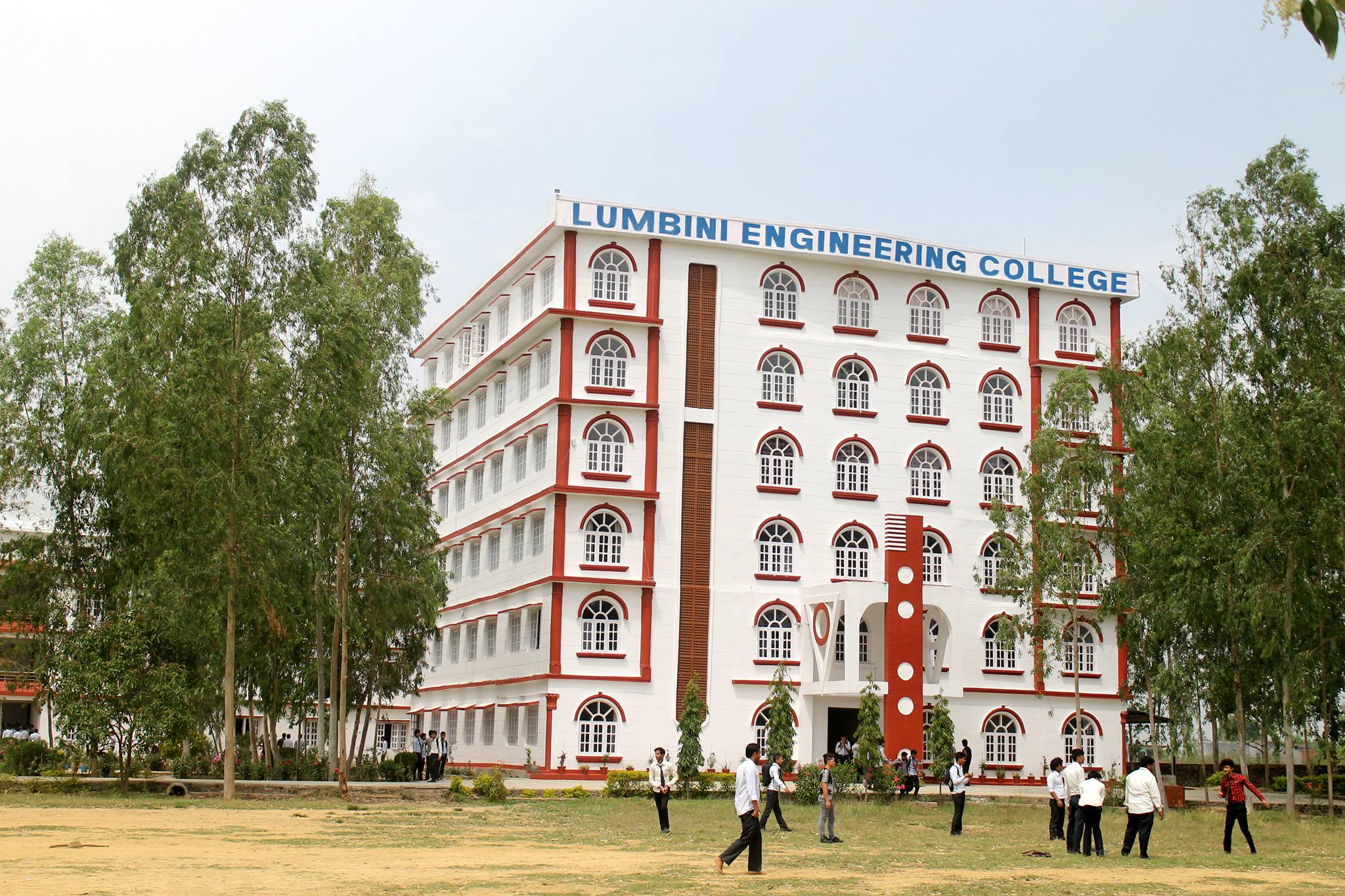
| Particular | Details |
|---|---|
| Course | Bachelor of Computer Engineering (BE Computer) |
| College | Lumbini Engineering, Management and Science College |
| Affiliation | Pokhara University |
| Level | Bachelor’s Degree |
| Duration | 4 Years / 8 Semesters |
| Seats | 48 |
| Location | Tilottama-7, Bhalwari, Rupandehi |
Bachelor-level engineering programs at the institution operate under Pokhara University affiliation. The college also has a Computer Department within its academic structure.
Computer Engineering brings hardware and software into the same field of study. Students work with programming and software development while also studying electronics, digital logic, microprocessors, computer architecture, embedded systems, networks, and data communication.
The course also moves into areas where computer systems process information and make decisions, including artificial intelligence, machine learning, image processing, pattern recognition, data science, and cybersecurity.
Major technical areas associated with the program include:
Computer software
Computer networking
VLSI and design automation
Machine intelligence
Computer systems
Information security
Hardware and software integration
This combination distinguishes Computer Engineering from a course centered only on software development.
Eligibility: +2 Science, I.Sc., or Diploma. Biology Group students are also included within the stated eligibility.
Applicants entering through Grades 11 and 12 are required to have secured at least second division marks or a “C” Grade, calculated as the average of theory and practical, in each subject in Grades 11 and 12.
The identified admission documents are:
I.Sc./10+2 transcript
SLC/SEE transcript
Migration certificate
Provisional certificate
School character certificate
Citizenship photocopy
Equivalence certificate photocopy for applicants who studied abroad
The program has 48 seats.
The academic sequence starts with electrical engineering, mathematics, electronics, programming, and computer workshop subjects. It then progresses into databases, operating systems, computer architecture, software engineering, networks, artificial intelligence, machine learning, cybersecurity, cloud computing, projects, and internship.
| Year / Semester | Main Subjects |
|---|---|
| Year I – Semester I | Basic Electrical Engineering, Calculus I, Communication Techniques, Computer Workshop, Digital Logic, Electronic Devices and Circuits, Programming in C |
| Year I – Semester II | Algebra and Geometry, Applied Chemistry, Applied Physics, Basic Engineering Drawing, Data Structure and Algorithm, Instrumentation, Object Oriented Programming in C++ |
| Year II – Semester III | Calculus II, Computer Graphics, Data Communication, Database Management System, Microprocessor and ALP, Operating Systems |
| Year II – Semester IV | Advanced Programming with Java, Applied Mathematics, Computer Architecture, Numerical Methods, Research Fundamentals, Theory of Computation |
| Year III – Semester V | Artificial Intelligence, Digital Signal Analysis and Processing, Embedded System, Engineering Management, Probability and Statistics, Software Engineering |
| Year III – Semester VI | Computer Networks, Compiler Design, Image Processing and Pattern Recognition, Machine Learning, Project I, Simulation and Modeling |
| Year IV – Semester VII | Cloud Computing and Virtualization, Data Science and Analytics, Engineering Economics, Entrepreneurship and Professional Practice, Network and Cyber Security, Electives |
| Year IV – Semester VIII | Internship, Project II, Elective III |
The later semesters place greater emphasis on advanced computing topics and applied project work after students have completed the mathematical, programming, hardware, and systems foundation of the degree.
Programming begins in the first semester with Programming in C. Object Oriented Programming in C++ follows in the second semester, while Advanced Programming with Java appears later in the course.
Students also study Data Structure and Algorithm, Database Management System, Operating Systems, Theory of Computation, Compiler Design, and Software Engineering.
Together, these subjects address both the development of software and the underlying principles used to organize programs, data, computing processes, and software projects.
The hardware side of Computer Engineering begins with Basic Electrical Engineering, Digital Logic, Electronic Devices and Circuits, and Instrumentation.
Microprocessor and ALP introduces processor-level study, while Computer Architecture addresses the organization and operation of computer systems. Embedded System appears in the third year.
This sequence connects software study with the electronic and computing hardware on which software operates.
Computer networks form another substantial part of the degree. Students study Data Communication before progressing to Computer Networks.
Later subjects include Network and Cyber Security, Cloud Computing and Virtualization, and Data Science and Analytics.
These areas allow students to study how computers exchange information, how networked systems are organized, how data can be processed and analyzed, and how computer systems and networks can be protected.
The curriculum includes Artificial Intelligence in the fifth semester and Machine Learning in the sixth semester.
Image Processing and Pattern Recognition is also included, along with Simulation and Modeling. Data Science and Analytics appears in the fourth year.
These subjects give students academic exposure to computational methods used for data analysis, pattern recognition, intelligent systems, and related computer-engineering applications.
Project work begins before the final year. Project I is included in the sixth semester, giving students an opportunity to bring together knowledge developed in programming, hardware, networks, databases, systems, and other technical subjects.
The eighth semester contains:
Internship
Project II
Elective III
The internship adds a work-related component near the end of the degree, while Project II provides a further structured academic project.
Based on the curriculum, students may develop abilities related to:
Programming and software development
Data structures and algorithms
Database systems
Computer architecture
Microprocessors and embedded systems
Computer networking
Data communication
Software engineering
Artificial intelligence and machine learning
Image processing and pattern recognition
Cybersecurity
Cloud computing
Data analysis
Engineering project work
The degree combines these computing areas with mathematics, electronics, communication, economics, management, research fundamentals, and professional practice.
The program may suit students who meet the engineering eligibility requirements and want to study both computer hardware and software.
It is especially relevant to students interested in programming but who also want to understand processors, computer architecture, digital electronics, embedded systems, networking, communication between computers, and other hardware-related areas.
Students should be prepared for mathematics, programming, electronics, technical analysis, laboratory work, projects, and the broader engineering foundation of the degree.
The program’s academic areas connect with computer software, networking, computer systems, information security, machine intelligence, and system analysis.
Graduates may explore technical work related to software, computer systems, networks, embedded systems, data, cybersecurity, or other computing areas where their knowledge and practical skills match organizational requirements.
Career outcomes depend on technical competence, projects, internship experience, continued skill development, employer requirements, and available opportunities. The degree itself does not guarantee a particular job or employment outcome.
The program runs for four years across eight semesters.
Bachelor of Computer Engineering has 48 seats.
The program is affiliated with Pokhara University.
The stated eligibility includes +2 Science, I.Sc., or Diploma. Biology Group students are also included, subject to the stated academic grade requirement.
The curriculum specifically includes programming in C, object-oriented programming in C++, and advanced programming with Java.
Yes. Artificial Intelligence is included in the fifth semester and Machine Learning in the sixth semester.
Yes. Internship is included in the eighth semester.
Yes. Project I appears in the sixth semester and Project II in the eighth semester.






