



The Bachelor of Electrical and Electronics Engineering at Lumbini Engineering College is a four-year bachelor-level engineering program with 48 seats. It is offered through Lumbini Engineering, Management and Science College and is affiliated with Pokhara University.
The program combines electrical engineering with electronics and covers areas such as electrical circuits, machines, power systems, electronic devices, control systems, instrumentation, signal systems, communication, renewable energy, and transmission and distribution. The academic structure also includes engineering mathematics, programming, management subjects, an internship, electives, and a major project.
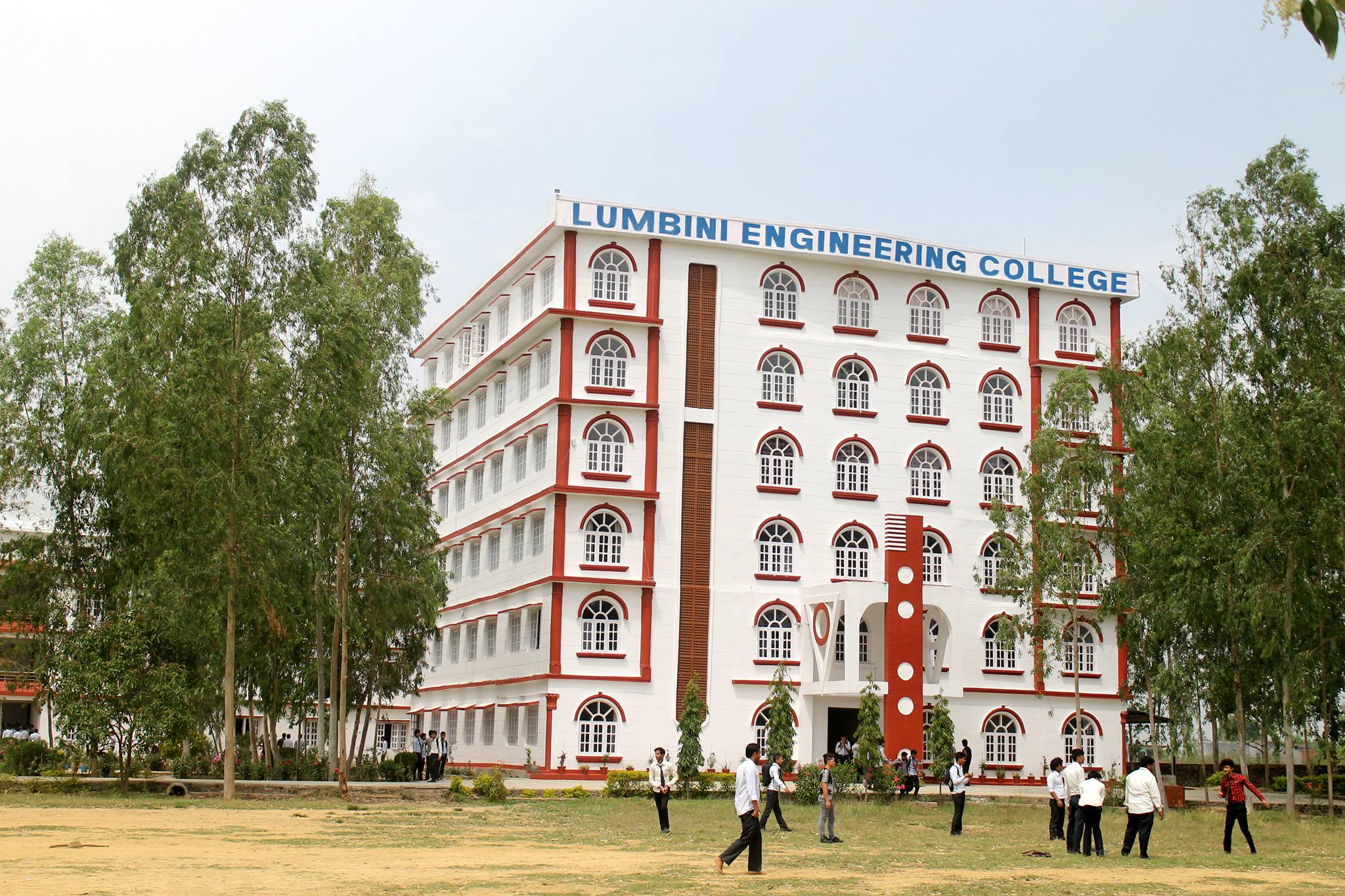
| Particular | Details |
|---|---|
| Course | Bachelor of Electrical and Electronics Engineering |
| College | Lumbini Engineering, Management and Science College |
| Affiliation | Pokhara University |
| Level | Bachelor’s Degree |
| Duration | 4 Years |
| Seats | 48 |
| Location | Tilottama-7, Bhalwari, Rupandehi |
The course is part of the college’s Pokhara University-affiliated bachelor-level engineering stream. Lumbini Engineering College also maintains academic departments associated with electrical engineering and electronics, providing an institutional setting for study in these disciplines.
Electrical and Electronics Engineering brings together the study of electricity, electrical equipment, electronic devices, circuits, control, power systems, communication, and related engineering technologies.
The course description connects the field with applications in:
Power generation
Transmission and distribution
Control systems
Signal processing
Telecommunications
Electronic circuits
Electrical machines
Electronics
Power engineering
Engineering management
Students therefore work across both electrical power and electronics rather than concentrating on only one of the two areas.
Eligibility: +2 Science, I.Sc., or Diploma. Biology Group students are also included within the stated eligibility.
Applicants entering through Grades 11 and 12 are required to have secured at least second division marks or a “C” Grade, calculated as the average of theory and practical, in each subject in Grades 11 and 12.
The identified admission documents include:
I.Sc./10+2 transcript
SLC/SEE transcript
Migration certificate
Provisional certificate
School character certificate
Citizenship photocopy
Equivalence certificate photocopy for applicants who studied abroad
The four-year academic structure progresses from mathematics, physics, programming, electrical circuits, and workshop practice into electrical machines, electronics, power systems, control, renewable energy, communication, and project work.
| Year / Semester | Main Subjects |
|---|---|
| Year I – Semester I | Applied Physics, Basic Electrical Circuit, Calculus I, Computer Programming, Electrical Installation Practice and Safety, Basic Engineering Drawing, Engineering Workshop |
| Year I – Semester II | Algebra and Geometry, Basic Mechanical Engineering, Communication Techniques, Electrical Engineering Materials, Electronic Devices, Network Theory |
| Year II – Semester III | Calculus II, Digital Logic, Electrical Machine I, Electromagnetic Fields and Waves, Electronic Circuits, Instrumentation |
| Year II – Semester IV | Applied Mathematics, Control System, Electrical Machine II, Microprocessor, Numerical Methods, Transmission and Distribution Systems |
| Year III – Semester V | Control System Design, Electrical Machine Design, Engineering Economics, Power Electronics, Power System Analysis, Signals and System |
| Year III – Semester VI | Engineering Management, High Voltage Engineering, Probability and Statistics, Switch Gear and Protection, Utilization of Electrical Energy, Elective I |
| Year IV – Semester VII | Modern Communication System, Power Plant Technology, Renewable Energy and Grid Integration, Research Methodology, Transmission and Distribution Design, Elective II |
| Year IV – Semester VIII | Elective III, Internship, Major Project |
The curriculum places the internship and major project in the final semester after students have completed core work in machines, power systems, electronics, control, protection, communication, and energy.
Electrical machines form an important part of the course. Students study Electrical Machine I and II before moving to Electrical Machine Design.
Power-related subjects become more prominent in the later semesters through:
Power Electronics
Power System Analysis
High Voltage Engineering
Switch Gear and Protection
Utilization of Electrical Energy
Power Plant Technology
Renewable Energy and Grid Integration
Transmission and Distribution Systems
Transmission and Distribution Design
This progression connects basic electrical principles with the study of larger power-generation, transmission, distribution, and protection systems.
Electronics is introduced through Electronic Devices, Digital Logic, Electronic Circuits, and Microprocessor study.
Control engineering also develops across the degree through Control System and Control System Design. Instrumentation introduces measurement-related engineering, while Signals and System supports later study connected with communication and system behaviour.
Modern Communication System appears in the seventh semester, adding a communication-engineering component to the electrical and electronics curriculum.
The first year includes Electrical Installation Practice and Safety as well as Engineering Workshop, placing practical technical work close to the beginning of the program.
The final year includes both an internship and a major project.
The institution’s wider engineering environment includes engineering laboratories and technical learning activities. These complement the practical orientation already present in the semester structure.
Based on the curriculum, students may develop academic and practical abilities related to:
Electrical circuit analysis
Electrical machines
Electronic devices and circuits
Instrumentation
Control systems
Power electronics
Power-system analysis
Transmission and distribution
High-voltage engineering
Electrical protection
Renewable energy and grid integration
Communication systems
Engineering project work
Engineering Economics, Engineering Management, and Research Methodology also introduce economic, managerial, and research perspectives alongside technical study.
The program may suit students who meet the stated eligibility and are interested in electricity, electronics, power systems, machines, circuits, control, communication, and engineering problem-solving.
It is particularly relevant to students who want an engineering degree that combines electrical power topics with electronics rather than studying only one of these areas.
Students should be prepared for mathematics, physics, laboratory and practical work, technical analysis, and project-based study throughout the four-year course.
The course description identifies several sectors associated with electrical and electronics engineering, including government organizations, the Civil Aviation Authority, Nepal Electricity Authority, Nepal Telecom, private consulting services, private electrical and electronics companies, NGOs, INGOs, and research institutions.
Graduates may explore technical roles related to power systems, electrical equipment, electronics, control, transmission and distribution, communication, consulting, or research where their academic preparation and skills match the requirements of the position.
Career outcomes depend on technical competence, practical experience, professional requirements, further development, and available opportunities.
Four-year bachelor-level engineering program.
Affiliated with Pokhara University.
48 seats.
Covers both electrical and electronics engineering.
Includes electrical machines, power systems, control, electronics, communication, and renewable energy.
Internship and major project are included in the eighth semester.
Eligibility includes +2 Science, I.Sc., or Diploma under the stated academic criteria.
Biology Group students are included within the stated eligibility.
The program runs for four years.
The program has 48 seats.
The Bachelor of Electrical and Electronics Engineering is affiliated with Pokhara University.
The stated eligibility includes +2 Science, I.Sc., or Diploma. Biology Group students are also included, subject to the stated academic grade requirement.
Yes. Internship is included in the eighth semester.
Yes. A Major Project forms part of the eighth-semester curriculum.
Major areas include electrical circuits, machines, electronics, instrumentation, control systems, power systems, high-voltage engineering, transmission and distribution, renewable energy, communication systems, and engineering management.






