



The Bachelor of Engineering in Information Technology (BE IT) at Lumbini Engineering College is a four-year bachelor-level engineering program with 48 seats. It operates through Lumbini Engineering, Management and Science College and is affiliated with Pokhara University.
BE IT combines computer science and information technology with an engineering-oriented academic foundation. Students study programming, computer systems, databases, networking, web technology, software engineering, IT infrastructure, data science, system security, and information systems. The program runs across eight semesters and includes project work and an internship as part of its academic structure.
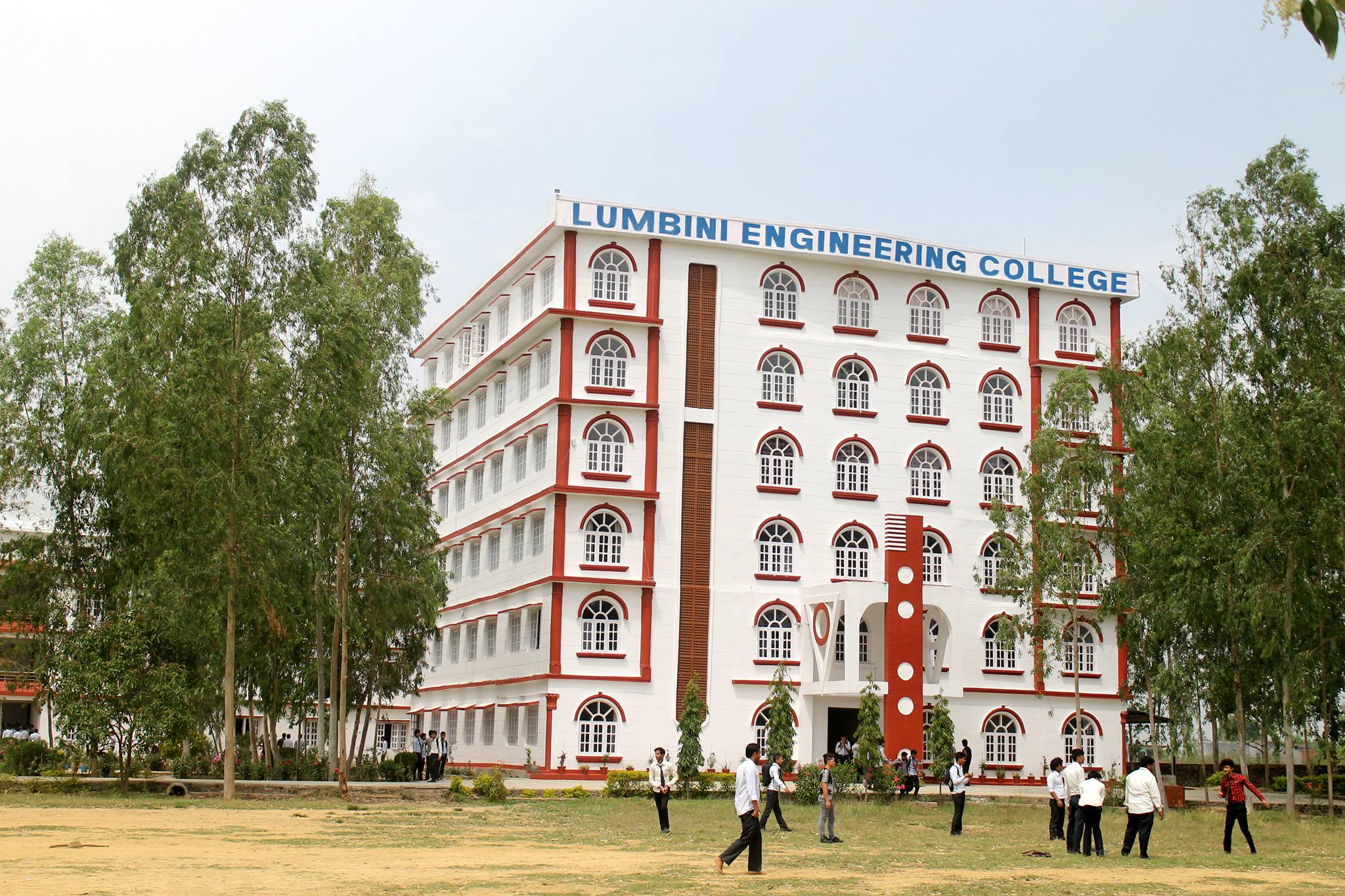
| Particular | Details |
|---|---|
| Course | Bachelor of Engineering in Information Technology (BE IT) |
| College | Lumbini Engineering, Management and Science College |
| Affiliation | Pokhara University |
| Level | Bachelor’s Degree |
| Duration | 4 Years / 8 Semesters |
| Seats | 48 |
| Location | Tilottama-7, Bhalwari, Rupandehi |
Bachelor-level engineering programs at the institution operate under Pokhara University affiliation. The college maintains computer and engineering academic departments, engineering and IT laboratories, an e-library, and other learning resources connected with its technical programs.
BE IT concentrates on the application of computing and information technology within an engineering degree. The course begins with mathematics, physics, electrical engineering, programming, digital and electronic foundations before moving toward software, networks, databases, IT systems, security, data science, and project management.
The academic progression covers areas such as:
Programming in C and object-oriented programming
Data structures and algorithms
Database management
Software engineering
Operating systems
Web technology
Computer networks and data communication
IT architecture and infrastructure
Multimedia systems
Data science and analytics
Information systems
IT system security
Engineering and ICT project management
Internet of Things
Project work and internship
This structure gives students exposure to both software development and the systems, networks, infrastructure, and management areas used in information technology.
Eligibility: +2 Science, I.Sc., or Diploma. Students from the Biology Group are also included within the stated eligibility.
Applicants entering through Grades 11 and 12 are required to have secured at least second division marks or a “C” Grade, calculated as the average of theory and practical, in each subject.
The eligibility places BE IT within the institution’s engineering bachelor-level admission route rather than the broader entry route used for programs such as BCA.
The admission documentation for BE IT includes:
I.Sc./10+2 transcript
SLC/SEE transcript
Migration certificate
Provisional certificate
School character certificate
Citizenship photocopy
Equivalence certificate photocopy for applicants who studied abroad
The semester structure moves from engineering and computing foundations into specialized IT subjects, projects, and internship work.
| Year / Semester | Main Subjects |
|---|---|
| Year I – Semester I | Applied Physics, Basic Electrical Engineering, Calculus I, Electronic Devices and Circuits, Problem Solving Techniques, Programming in C |
| Year I – Semester II | Algebra and Geometry, Basic Engineering Drawing, Communication Techniques, Computer Workshop, Digital Logic, Discrete Structure, Object Oriented Programming in C++ |
| Year II – Semester III | Advanced Programming with Java, Calculus II, Data Structure and Algorithm, Instrumentation, Probability and Statistics, Software Engineering Fundamentals |
| Year II – Semester IV | Applied Mathematics, Applied Operating Systems, Database Management System, Microprocessor and Computer Architecture, System Administration and IT Infrastructure Services, Web Technology |
| Year III – Semester V | Computer Graphics, Entrepreneurship and Professional Practice, IT Architecture, Multimedia Systems, Numerical Methods, Research Fundamentals, Signal System and Processing |
| Year III – Semester VI | Computer Networks, Data Communication, Data Science and Analytics, Elective I, Engineering Management, Internet of Things, Project I |
| Year IV – Semester VII | Elective II, Engineering Economics, ICT Project Management, Information Systems, Intelligent System, IT System Security |
| Year IV – Semester VIII | Elective III, Internship, Project II |
The curriculum places the internship and final project work in the fourth year, after students have completed core study in programming, databases, operating systems, networking, software engineering, data communication, security, and information systems.
Programming starts early in the degree. Students encounter C programming in the first year, followed by object-oriented programming in C++ and advanced programming with Java.
Software-related study continues through data structures and algorithms, software engineering fundamentals, database management, web technology, operating systems, and project work.
This sequence allows students to move from programming fundamentals toward the development and management of larger software and information systems.
BE IT is not limited to application programming. Its curriculum also includes the infrastructure required to operate and manage IT systems.
Subjects such as System Administration and IT Infrastructure Services, Computer Networks, Data Communication, IT Architecture, Internet of Things, Information Systems, and IT System Security give students exposure to networked and organizational computing environments.
These subjects connect software knowledge with the systems and infrastructure through which information is stored, transmitted, managed, and secured.
Data-focused study appears through Database Management System and Data Science and Analytics. Information Systems is also included in the later stage of the degree.
Together, these subjects introduce students to the organization, management, analysis, and use of digital information within computer-based systems.
The curriculum also includes Research Fundamentals, giving students an academic basis for structured investigation before they complete later project work.
Practical and project work forms part of the BE IT structure. Project I appears in the sixth semester, while Project II and an internship are included in the eighth semester.
At the institutional level, students study within an environment that includes engineering and IT laboratories. The college also conducts supplementary technical activities involving Python, Arduino, software development, and other engineering tools.
These additional activities sit alongside the Pokhara University curriculum and should be distinguished from the prescribed semester subjects.
The combination of subjects may help students develop abilities in areas such as:
Programming and software development
Algorithmic problem-solving
Database management
Web technologies
Computer networking
IT infrastructure administration
Software engineering
Data analysis
Information-system understanding
IT system security
Technical project work
Project and internship components also give students an opportunity to apply academic knowledge to larger assignments and work-related settings.
The academic areas in BE IT connect with several information technology functions. Graduates may explore roles related to software development, network engineering, cybersecurity, IT systems, data-related work, and other computing functions where their skills match organizational requirements.
Career outcomes depend on technical ability, project experience, continued learning, employer requirements, and available opportunities. The degree itself does not guarantee a particular job, salary, or position.
Students may also consider further academic study in information technology, computing, engineering, or related areas according to the entry requirements of the program they intend to pursue.
BE IT may suit students who meet the engineering entry requirements and want to study computing within a bachelor-level engineering framework.
It is particularly relevant to students interested in a mix of:
Programming
Software systems
Networks
Databases
IT infrastructure
Data analysis
Security
Information systems
Technical projects
The course differs from a purely application-focused computing degree because its curriculum begins with engineering, mathematics, electronics, and computing foundations before progressing into specialized IT subjects.
The program runs for four years across eight semesters.
BE IT has 48 seats.
The program is affiliated with Pokhara University.
The stated eligibility includes +2 Science, I.Sc., or Diploma, with Biology Group students also eligible under the stated criteria.
Yes. Internship is included in the eighth semester.
Yes. Project I is included in the sixth semester and Project II in the eighth semester.
Major areas include programming, data structures, databases, software engineering, operating systems, web technology, networks, IT infrastructure, data science, information systems, security, project management, and related engineering subjects.






