BCA at Madan Bhandari Memorial College (MBMC College), New Baneshwor, Kathmandu, runs under Tribhuvan University’s Faculty of Humanities and Social Sciences framework. The degree spans eight semesters and covers programming, databases, networks, and web technologies with applied coursework every term.
Students progress through lab routines, mini-projects, and semester assessments that combine internal tasks with university examinations. The MBMC College setting helps you connect theory to practice through clubs, workshops, and campus-level showcases.
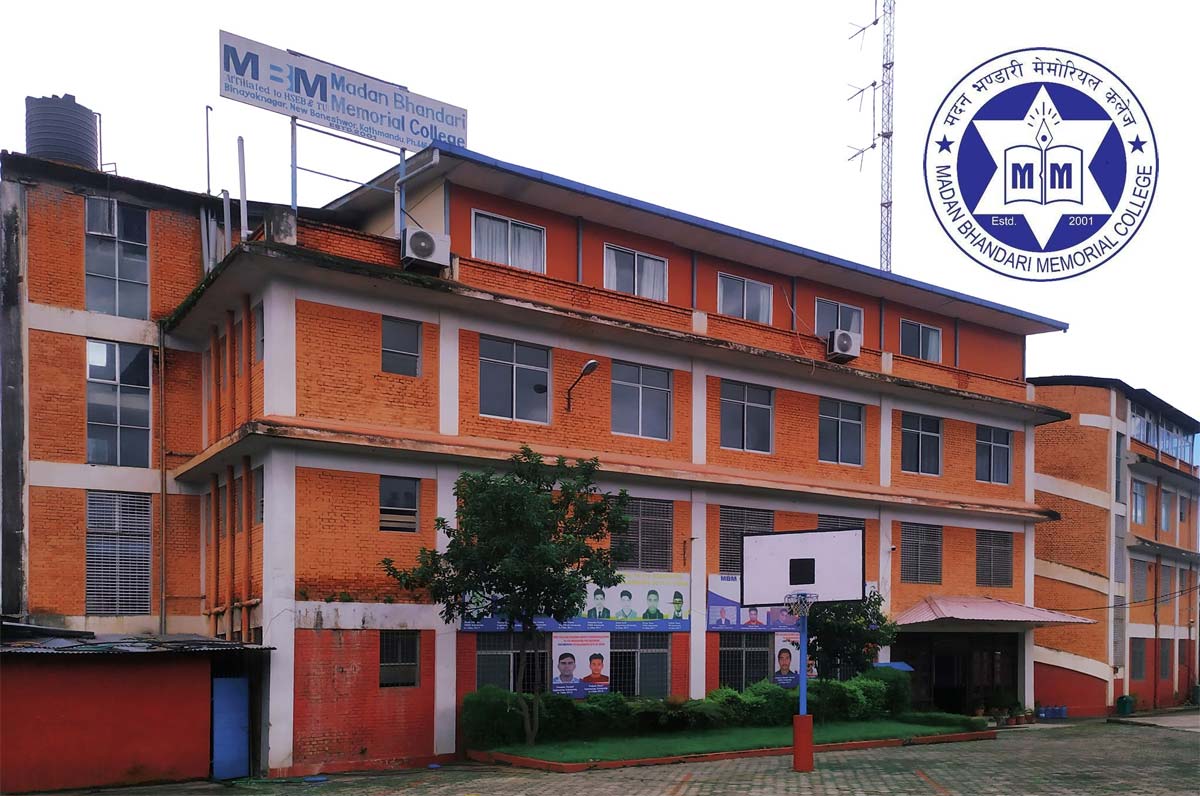
BCA at MBMC College provides a structured path into applied computing for students from diverse streams who meet the eligibility criteria. The program balances coding, system concepts, and information management with a strong focus on buildable outcomes.
The first semesters teach programming concepts, discrete ideas, and foundational IT. The middle semesters deliver database, web development, and networking. The final semesters include project delivery and a supervised internship.
MBMC College’s location in New Baneshwor benefits day scholars across Kathmandu Valley. The college follows TU rules on attendance, internal assessment, and end-of-semester examinations. Course outlines, reading lists, and lab schedules are shared in advance so students can plan weekly commitments.
Eight-semester TU program under the Faculty of Humanities and Social Sciences
Entry route for eligible Grade 12 or equivalent graduates from any stream meeting minimum division/grade and entrance requirements
Steady coding practice in C/C++, Java or equivalent, and scripting
Databases, web engineering, computer networks, and information systems
Project and internship components to support workplace readiness
Student activities through Silicon Ivy and project showcases at campus events
Central location that suits daily travel across the city
The BCA curriculum advances from basic programming and IT fundamentals to systems knowledge, web development, and database applications. MBMC College sequences the course plan to keep each semester manageable and outcome-oriented.
Programming and problem solving
Introductory programming in C that stresses variables, control flow, functions, and pointers
Object-oriented programming that develops classes, inheritance, and exception handling
Data structures for arrays, linked lists, stacks, queues, trees, and graphs
Scripting exposure to automate simple tasks or build small utilities
Web and application development
Front-end building blocks (HTML, CSS, client-side scripting)
Server-side development using university-approved stacks
API basics and simple deployment pipelines in a lab context
Version control and small-team collaboration patterns
Database systems and information management
Relational modeling, normalization, SQL queries, transactions, and indexing
Simple report building for operational teams
Exposure to form-based information systems for local use cases
Networks and system fundamentals
Networking models, addressing, routing basics, and common services
System administration tasks such as user accounts, permissions, and backups
Basic security hygiene in a lab environment
Mathematics and foundations
Discrete mathematics concepts used in program logic and data structures
Basic probability and statistics to support data reasoning
Project and internship
A final-year project that requires planning, iteration, documentation, and a public demo
An internship period that helps students translate course learning to supervised practice
Help students write clear programs and troubleshoot errors with a methodical approach
Build confidence in database-backed application development and basic deployment
Encourage teamwork, version control, and communication habits needed for small teams
Introduce networking, system administration, and IT support practices
Prepare students for immediate entry-level roles and for further study in computing
Graduates move into entry-level roles that value hands-on coding, web development, and information management. Service firms, schools, healthcare providers, local businesses, and NGOs require staff who can maintain small systems, develop web forms, and produce clear reports. The BCA pathway suits students who want an applied route into technology without losing the structure of a university assessment system.
Implement core programming constructs and data structures in lab assignments and projects
Create basic web applications that connect to a database and handle common operations
Write SQL to manage tables, constraints, and transactions with safe query patterns
Handle simple networking tasks and follow system administration checklists
Produce project plans, progress notes, and user-facing documentation
Practice version control and code review for collaborative work
Weekly coding labs with small milestones that build toward a working feature
Database exercises that move from schema sketches to query optimization basics
Web build sprints that end in short demos and code walkthroughs
Networking labs with service configuration and connectivity tests
Communication modules woven into presentations, reports, and viva sessions
MBMC College runs lecture sessions, labs, and tutorial hours that match each semester’s course load. Faculty and teaching assistants conduct code reviews, run quizzes, and monitor submission timelines. Silicon Ivy hosts short talks and workshops on tools such as Git, database clients, or simple deployment steps. The department arranges mini-hack sessions near exam breaks to help students revise through building rather than rote memorization. The Research Management Cell supports referencing and documentation quality for final-year projects.
Completion of Grade 12 or equivalent from a recognized board meeting the minimum grade criteria for the BCA intake year
Entrance test under the Faculty of Humanities and Social Sciences as per the TU admission cycle
College-level screening and document verification within published deadlines
Applicants prepare transcripts, character certificates, photos, and identity proof. Admission confirmation requires timely completion of formalities. Orientation covers semester plans, lab etiquette, and support channels.
Web developer or junior application developer in small teams
Database assistant managing forms, reports, and data checks
IT support or system administration trainee within local offices or schools
QA trainee supporting test case preparation and issue logging
Technical support roles across service providers and non-profits
Pathway to postgraduate study in computing or specialized certificates
MBMC College publishes scholarship categories for each intake. Merit lists, internal performance, and inclusion categories shape the grants available in a given session. Students should check the notice board or admission desk for updated details and required documentation.
BCA at MBMC College offers a structured, application-oriented path under a recognized university framework. The course focuses on coding and deliverables every term, which helps you build a portfolio of small but real projects.
Student clubs, project showcases, and an internship phase add practice that employers understand. The central location helps maintain a steady routine during semesters.
BCA at Madan Bhandari Memorial College provides an accessible entry into applied computing with a steady schedule of labs, projects, and examinations. The curriculum supports core programming, web systems, databases, and networking.
A final-year project and internship connect classroom learning to supervised practice. Prospective students should follow TU’s entrance announcements, keep documents ready, and confirm seats within the specified window.
What is the duration of BCA at MBMC College?
Eight semesters under Tribhuvan University.
Who conducts the final exams?
Tribhuvan University authorities conduct end-semester examinations; internal work is handled by the college.
Does BCA accept students from any stream?
Yes, subject to TU’s minimum grade criteria and the BCA entrance pattern for the intake year.
Is an internship part of the course?
Yes. A supervised internship occurs near the end of the program.
What kind of projects do students build?
Students typically build small information systems, web applications, or service tools that demonstrate programming, database, and basic deployment skills.