



The pre-diploma in Electrical Engineering at Ram Janaki Technical Institute prepares learners for sub-overseer responsibilities in electrical worksites.
The curriculum, guided by CTEVT, focuses on foundational electrical concepts, drawings, workshop practice, and safe installation procedures that reflect entry-level site needs.
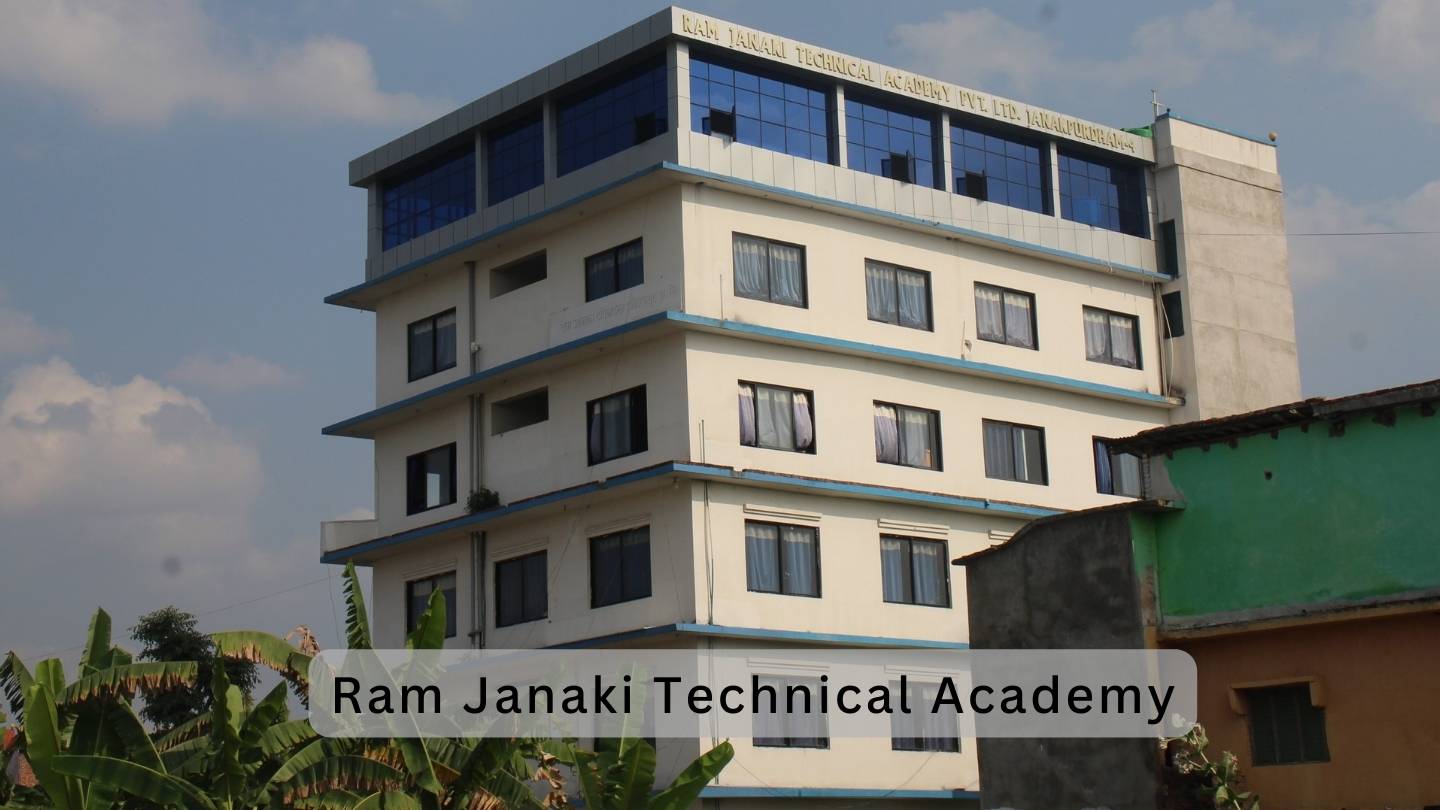
Core areas include basic electrical theory (circuits, measurements, and power fundamentals), wiring systems, earthing concepts, electrical machines (introductory), tools and materials, estimation basics, and reading of drawings. Students learn to interpret symbols, prepare simple estimates, and follow code-based practices applicable to the pre-diploma level. Workplace communication, job documentation, and safety procedures run through the course.
Practical sessions include tool handling, wiring practice boards, earthing demos, use of measuring instruments, and inspection checklists. Learners prepare work logs and simple bills of materials for routine tasks. Faculty supervision ensures correct sequence, safe isolation, and methodical testing before energizing circuits. Where applicable, site visits or supervised exposure help students connect classroom lessons with real installations.
Lessons use board work, diagrams, and step-by-step demonstrations. Multimedia support is used to explain wiring layouts, protective devices, and testing routines. Group activities, estimation exercises, and drawing practice help students translate plans into workable tasks. Emphasis is placed on PPE, housekeeping, and fault reporting.
As per CTEVT guidelines, internal assessments and practical evaluations are conducted alongside final examinations. Students maintain workshop notebooks, drawings, estimates, and checklists of test results.
Regular feedback focuses on accuracy, neatness of wiring, safe work habits, and completeness of documentation.
RJTI provides classrooms with board work support, a science/workshop area for practice, and library access to course books and reference materials. Counseling and routine academic notices are provided by the academic office.
The conference hall hosts orientations and review sessions, while first-aid support is available on campus.
Graduates can read and interpret basic drawings, prepare simple estimates, perform wiring tasks under supervision, and apply testing and safety routines consistent with the pre-diploma scope. The training supports entry-level roles as an electrical sub-overseer in settings that follow standard procedures.






