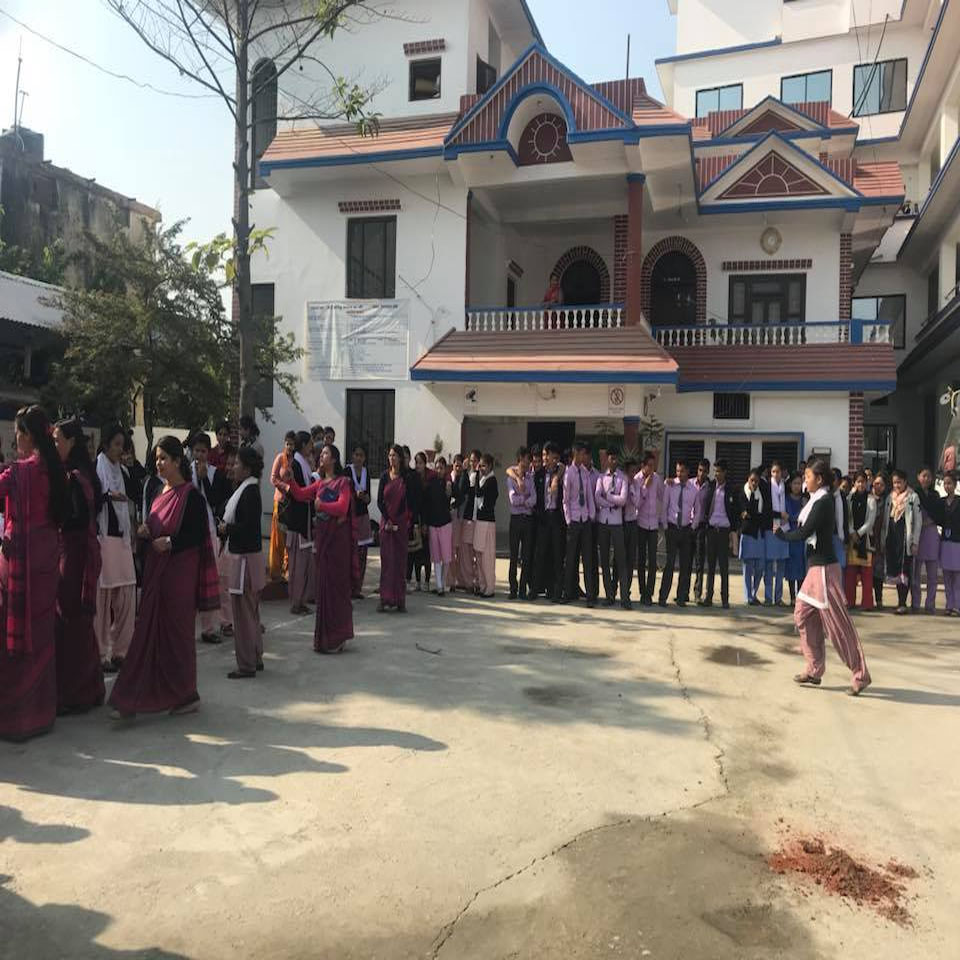
The Post-Basic Bachelor of Nursing Science (PBNS) at Sanjeevani College of Medical Sciences, Nepalgunj, is a three-year bachelor-level nursing program affiliated with Purbanchal University. It is intended for nurses who have already completed Proficiency Certificate Level (PCL) Nursing and want to continue their academic development at bachelor level.
The revised Purbanchal University curriculum covers nursing sciences, clinical practice, community health, midwifery, psychiatric nursing, educational science, leadership, management, research, and elective specialization. The program was previously known as Post-Basic Bachelor of Nursing (PBBN); Purbanchal University changed the name to Post-Basic Bachelor of Nursing Science (PBNS) from the academic year 2075/76.
Course: Post-Basic Bachelor of Nursing Science (PBNS)
Level: Bachelor
Duration: 3 academic years
Affiliation: Purbanchal University
College: Sanjeevani College of Medical Sciences
Listed Intake: 20 students
Entry Background: PCL Nursing
Professional Council: Nepal Nursing Council
Admission Framework: MECEE-BL under the prevailing Medical Education Commission provisions
The listed intake is 20 students. Final seat allocation is subject to the determination made for the respective admission year.
The PBNS curriculum extends over three academic years and combines theory with clinical and practical learning. Purbanchal University structures the program around nursing knowledge, patient care, community health, teaching, management, research, and specialized nursing practice.
First-year subjects include Anatomy and Physiology, Pharmacology, Pathophysiology, Microbiology and Parasitology, Biochemistry, Nutrition and Dietetics, Medical-Surgical Nursing-I, Nursing Concepts and Theories, Pediatric Nursing, Medical Sociology and Anthropology, and Professional English. Practical components are included in basic sciences, nutrition, medical-surgical nursing, and pediatric nursing.
Second-year study moves into Midwifery-I, Community Health Nursing-I, Psychiatric Nursing-I, Educational Science, Epidemiology, Geriatric Nursing, and Applied Computer Technology. These subjects include substantial practical work in nursing and educational settings.
Third-year study includes Leadership and Management, Research and Biostatistics in Nursing, Oncology Nursing, and an elective area.
The PBNS curriculum provides four major elective areas:
Community Health Nursing-II
Midwifery-II
Medical-Surgical Nursing-II
Psychiatric Nursing-II
These options allow students to concentrate part of their final-year study on a defined area of nursing practice. The curriculum connects elective study with relevant clinical or community practicum.
Clinical practice forms a substantial part of the three-year program. First-year practice includes general and children's hospital settings along with laboratory work in microbiology, parasitology, biochemistry, and nutrition.
Second-year practice covers maternity, specialty, and mental health settings, senior citizen care, educational institutions, and community health placements. Community practicum may involve health administration offices, primary health care centres, health posts, and selected communities.
Third-year practice includes management, clinical, research, and major-subject practicums. Research work covers proposal preparation, conducting research, and report writing.
Sanjeevani College of Medical Sciences also operates a 318-bed hospital, providing a hospital-based environment relevant to its nursing education activities.
The college's listed PBNS eligibility includes PCL Nursing with at least 50% and Nepal Nursing Council registration. The Purbanchal University PBNS curriculum specifies completion of PCL Nursing from a recognized institute and at least one year of work experience in a recognized health institution after obtaining the NNC license.
Admission to applicable bachelor-level nursing education follows MECEE-BL and the prevailing rules, guidelines, seat allocation system, scholarship provisions, fee structure, and admission procedures of the Medical Education Commission.
Seat numbers, scholarships, fees, and admission arrangements can change between academic years according to MEC decisions and the applicable admission calendar.
The Purbanchal University curriculum uses internal assessment and final examination components.
For theory courses, internal assessment carries 20% and the final examination carries 80%. For practical courses, internal assessment carries 80%, while the final examination in the major elective subject carries 20%.
PBNS develops further academic preparation in nursing practice, teaching, leadership, management, community nursing, research, and specialized clinical areas.
The curriculum is designed around four principal specialty areas: Midwifery, Community Health Nursing, Medical-Surgical Nursing, and Psychiatric Nursing. Professional opportunities depend on the graduate's specialization, experience, professional registration, recruitment requirements, and available positions.
Graduates must meet the applicable Nepal Nursing Council licensing and professional requirements for nursing practice.
PBNS stands for Post-Basic Bachelor of Nursing Science. It is a bachelor-level nursing program for students who have already completed PCL Nursing.
The program runs for three academic years under the Purbanchal University curriculum.
PBNS at Sanjeevani College of Medical Sciences is affiliated with Purbanchal University.
The listed intake is 20 students. The final number of seats is subject to the determination applicable to the respective admission cycle.
The listed academic entry background is PCL Nursing. The college specifies 50% in PCL Nursing with Nepal Nursing Council registration, while the university curriculum also specifies work experience after obtaining the NNC license.
Admission to applicable bachelor-level nursing programs follows MECEE-BL under the prevailing Medical Education Commission admission framework.
First-year study includes Anatomy and Physiology, Pharmacology, Pathophysiology, Microbiology and Parasitology, Biochemistry, Nutrition and Dietetics, Medical-Surgical Nursing, Nursing Concepts and Theories, Pediatric Nursing, Medical Sociology and Anthropology, and Professional English.
Students can study an elective in Community Health Nursing, Midwifery, Medical-Surgical Nursing, or Psychiatric Nursing.
Yes. Clinical and practical work is included throughout the program in hospital, maternity, community, educational, mental health, geriatric, research, and specialty settings.
Yes. Third-year study includes Research and Biostatistics in Nursing along with a research practicum covering proposal writing, research activity, and report writing.
Yes. Leadership and Management is included in the third year, along with a management practicum connected with the student's major area.
The program was previously known as Post-Basic Bachelor of Nursing (PBBN). Purbanchal University changed the program name to Post-Basic Bachelor of Nursing Science (PBNS) from academic year 2075/76.
Nursing professional registration and licensing fall under the Nepal Nursing Council. Graduates must meet the applicable professional requirements for practice.
Yes. The listed intake is 20 students, while final seat allocation may vary according to the determination made for each admission cycle.