



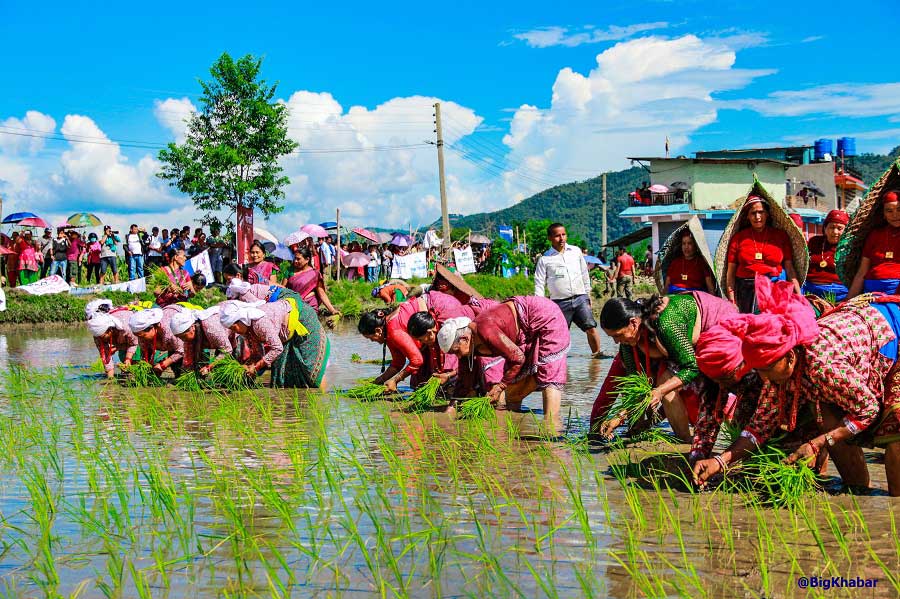
23rd National Paddy Day: 5 Percent Contribution to the Economy, but Nearly Rs 38 Billion in Paddy and Rice Imported in 11 Months
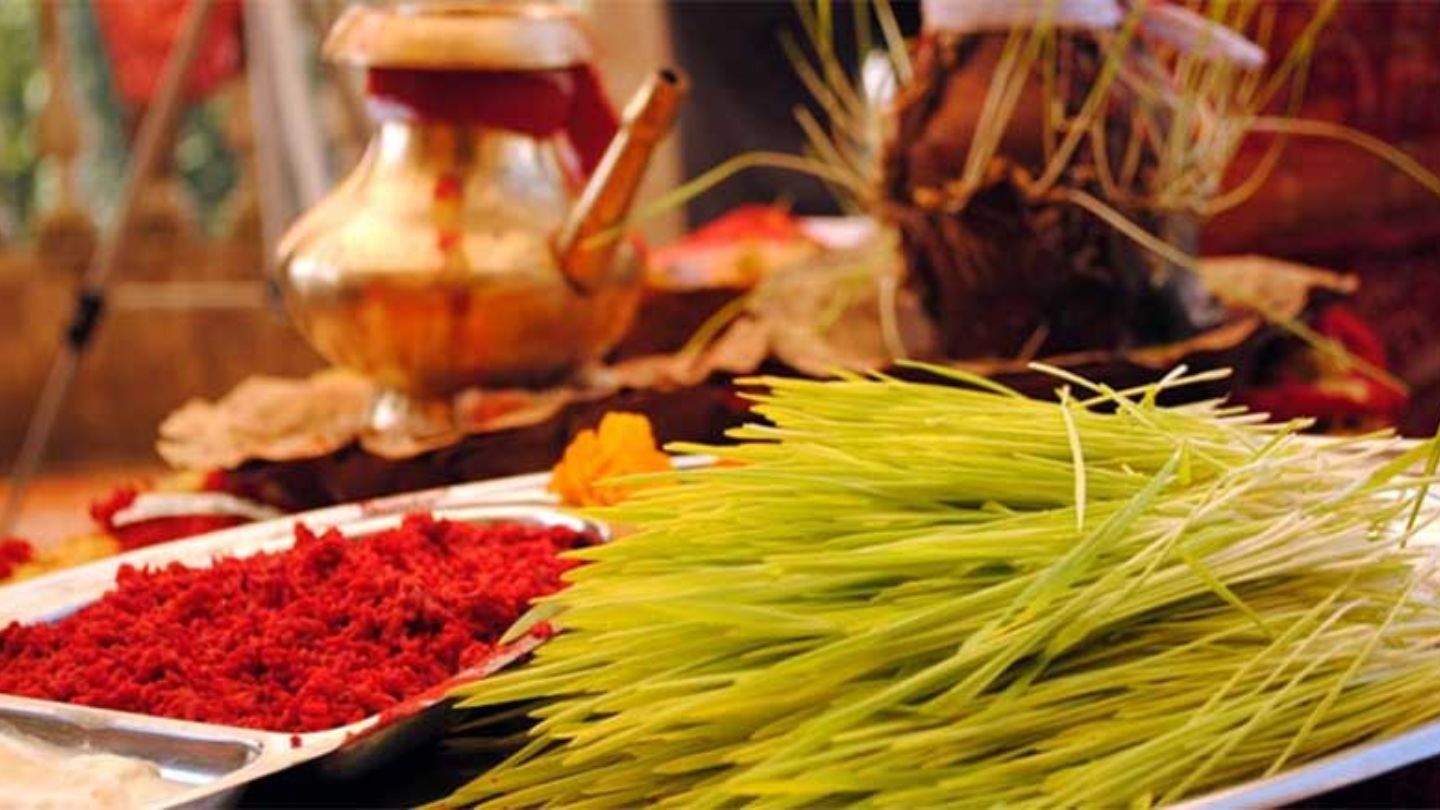
Today, Ashar 15, the 23rd National Paddy Day (Rastriya Dhan Diwas) and Rice Planting Festival is being observed. This year’s Paddy Day slogan has been set as “Climate-friendly technology, self-reliance and prosperity in paddy.” In Nepali society, there is a tradition of eating curd and beaten rice on this day.
In Nepal, the Council of Ministers decided on Mangsir 29, 2061, to formally start observing National Paddy Day from Ashar 15, 2061. According to the source, the late Bholaman Singh Basnet, then agricultural scientist at the Nepal Agricultural Research Council (NARC), made an important contribution to the observance of this day.
Status of Rice Planting: Low Plantation Due to Lack of Rain
Although there was sufficient rainfall in Baisakh and Jestha this year, rice planting has been affected as dry conditions began with the start of Ashar and rainfall did not occur. According to the Department of Agriculture, only 11.33 percent, or 156,583 hectares, of land across the country had been planted with paddy as of Ashar 12. During the same period last year, 15.6 percent planting had been completed. Rice planting takes place earlier in the hilly areas, while it is delayed in the Tarai.
The province-wise status of paddy plantation as of Ashar 12 is as follows:
-
Karnali Province (highest): 22.8 percent, 9,875 hectares
-
Lumbini Province: 20.9 percent, 62,671 hectares
-
Gandaki Province: 12.7 percent, 11,846 hectares
-
Bagmati Province: 12.6 percent, 14,420 hectares
-
Sudurpashchim Province: 9.3 percent, 15,800 hectares
-
Koshi Province: 8.3 percent, 22,815 hectares
-
Madhesh Province (lowest): 5 percent, 19,158 hectares
Paddy Economy and Production Status
Paddy makes an important contribution to Nepal’s overall economy. While the agricultural sector contributes around 24 percent, or about one-fourth, to the gross domestic product (GDP), paddy alone contributes 20 percent within the agriculture sector. Paddy contributes around 5 percent to the overall economy, while the annual paddy-rice economy is worth nearly Rs 200 billion.
According to different figures available in the source, the total area under paddy plantation across the country is stated to be 1,381,488 hectares. Another set of data states that due to urbanization and industrialization, paddy-cultivable land in the current fiscal year 2082/83 has declined to 1,376,000 hectares.
According to the Department of Agriculture, in fiscal year 2078/79, paddy was cultivated on 1,458,915 hectares, producing 5,450,878 metric tons. Although cultivable land has decreased, productivity has increased. Compared to five years ago, productivity has risen from 3.8 metric tons per hectare to 4.19 metric tons per hectare in the current fiscal year.
Paddy grows in 75 districts of Nepal except Manang and Mustang. Jumli Marsi paddy is also grown in Chhumchaur, Jumla, located at the world’s highest altitude for paddy cultivation, at 3,040 meters.
Demand, Imports, and Challenges
The country requires around 7 to 7.2 million metric tons of paddy annually, but current production falls short by about 1 million metric tons. Nepal, which exported rice until the 2040s BS, has now become dependent on imports.
According to data from the Department of Customs, paddy and rice worth Rs 37,839,262,000 were imported in just 11 months from Shrawan to Jestha of the current fiscal year 2082/83. However, compared to the same period last year, when imports stood at Rs 38,942,800,000, imports in the current fiscal year are lower by Rs 1.10 billion.
Details of imports in the first 11 months of the current fiscal year:
-
Paddy import: 464,102 metric tons
Value: Rs 18.5366 billion -
Rice import: 247,418 metric tons
Value: Rs 19.30261 billion
Data shows that the demand for fine and aromatic long-grain rice imported from abroad has been increasing due to the growing population, changes in consumers’ eating habits, the high urban class, feasts and banquets, and the culture of hotels and party palaces. Nepal imports paddy and rice from countries including India, China, Singapore, Indonesia, Saudi Arabia, Thailand, and Vietnam.

.png)

Comments 0
No comments yet. Be the first to start the conversation.