



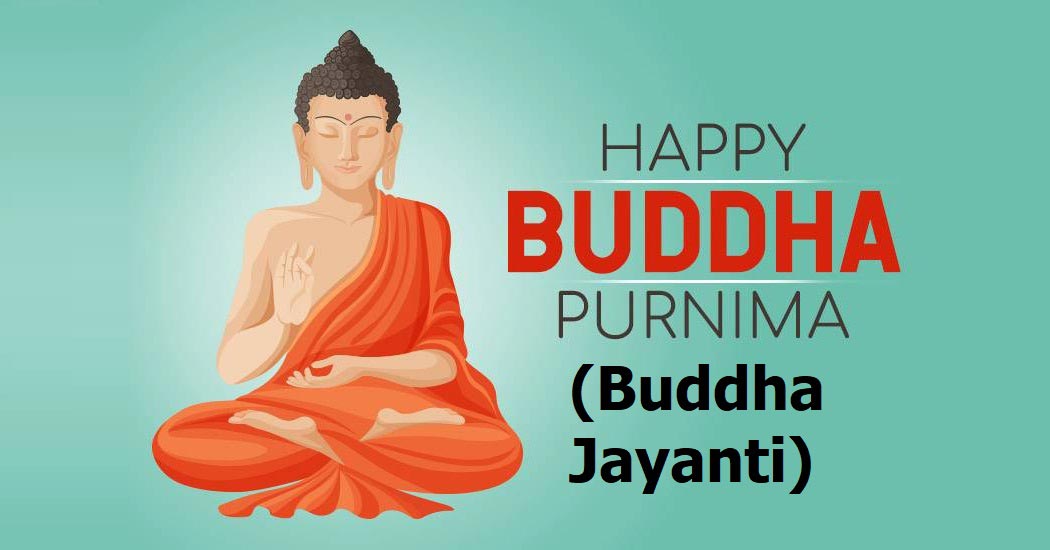
Sacred Day of Gautam Buddha’s Threefold Convergence: Buddha Jayanti Being Celebrated Worldwide
Buddha Jayanti is being celebrated worldwide today on the full moon day of the bright fortnight of Vaishakh, marking the threefold convergence of the birth, enlightenment, and Mahaparinirvana of Lord Gautam Buddha, the forerunner of peace.
Buddhists and Hindus observe this day as a special festival, remembering the message of peace, non-violence, and universal brotherhood of Buddha, who was born in Lumbini, Nepal.
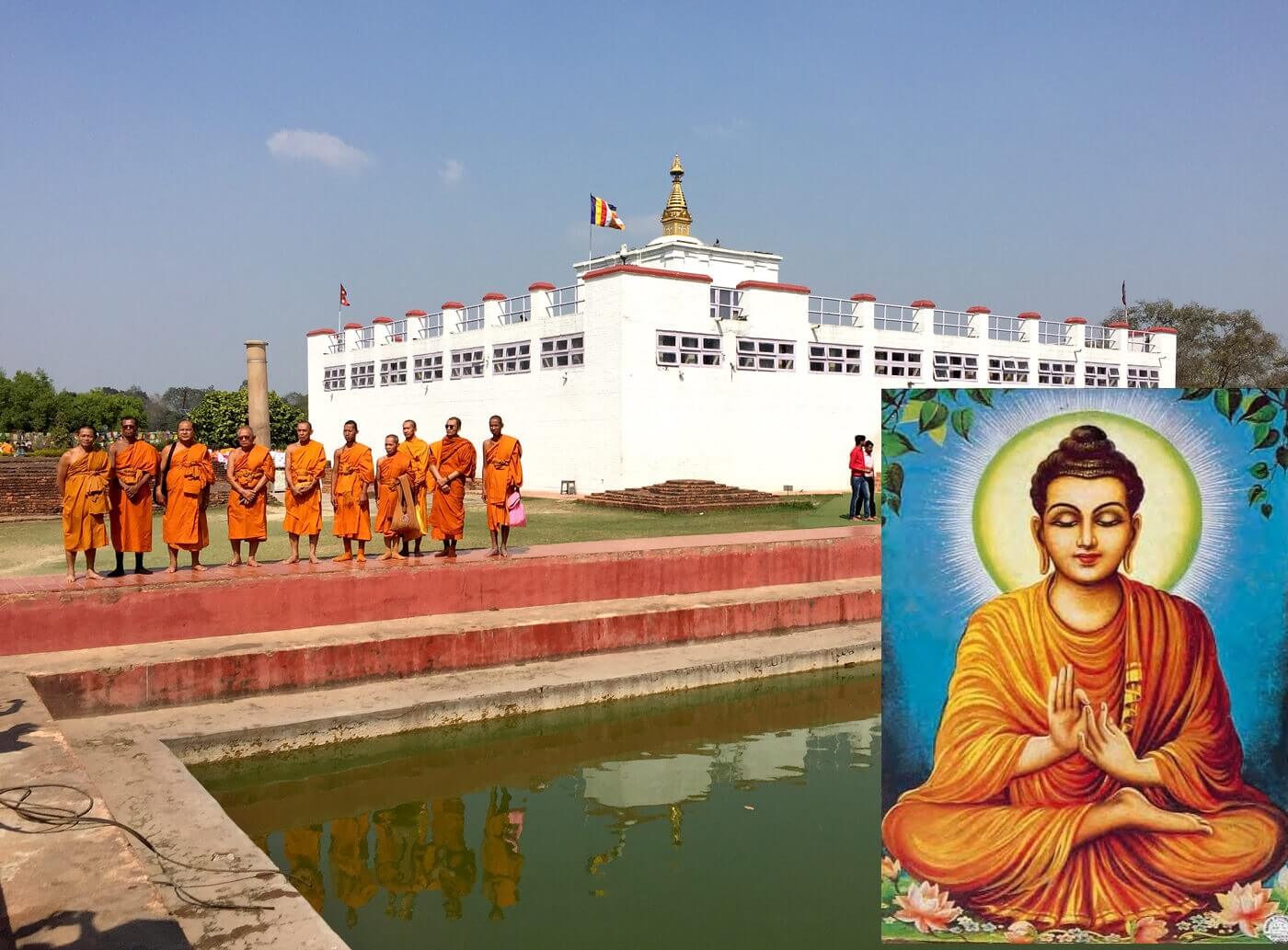
Buddha was born in 543 BCE in the Sal grove of Lumbini. Born as the son of King Suddhodana and Queen Mayadevi, his real name was Siddhartha Gautam.
The pond where Siddhartha is said to have been bathed after walking seven steps immediately after birth and pointing his finger toward the air is called “Siddhartha Kunda.” Having suffered the loss of his mother seven days after birth, he married Yashodhara at the age of 16.
Although he grew up in royal comfort and luxury, Siddhartha became detached after realizing the truth of worldly suffering and death. He renounced household life at the age of 29.
After six years of rigorous penance in Bodh Gaya, he attained Buddhahood, or Samyak Sambodhi. Later, at the age of 36, he delivered his first sermon to his disciples in Sarnath.
The word “Buddha,” derived from the Sanskrit root “budh,” means one who has attained knowledge or one who is awakened.
The main philosophical principle of Buddhism is Pratityasamutpada. Impermanence, suffering, and non-self are its basic principles. Buddha mainly guided his followers through the Four Noble Truths and Panchasheel.
Four Noble Truths
The natural law of the world is suffering. This is the truth of suffering.
Greed, attachment, and craving in human beings are the causes of suffering. This is the truth of the origin of suffering.
Suffering can be ended by stopping attachment. This is the truth of the cessation of suffering.
To end suffering and attain Nirvana, one must follow the Noble Eightfold Path: right view, right intention, right speech, right action, right livelihood, right effort, right mindfulness, and right concentration. This is the truth of the path leading to the cessation of suffering.
Panchasheel
Panchasheel teaches followers not to steal, not to lie, not to commit sexual misconduct, not to consume alcohol, and not to commit violence.
Buddha’s teachings and discourses are collected in the Tripitaka, which describes his 32 physical qualities. It contains a total of 84,000 knowledge sutras, including 82,000 of Buddha and 2,000 of his disciples.
Buddhism, regarded as the world’s fourth-largest religion, currently has more than 350 million followers. It has spread to countries including China, India, Sri Lanka, Burma, Thailand, Laos, Cambodia, Vietnam, Bhutan, Japan, Mongolia, and Korea.
Hindu philosophy regards Buddha as the ninth incarnation of Lord Vishnu.
Regarding the determination of Buddha’s birth date and period, two views are prevalent: the Sinhalese view and the Cantonese view.
According to the Sinhalese view, which is based on literary works, Buddha’s birth date has been determined in Nepal. Under this view, Buddha is believed to have been born before 566 BCE.
The Cantonese view, developed from eastern China, is based on the “Dotted Record,” in which dots were marked and kept in a cave after Buddha’s Mahaparinirvana. The number had reached 975 by AD 489.
The Government of Nepal has been granting a public holiday on the birth anniversary of Gautam Buddha, who is honored worldwide as the “Light of Asia.”
Today, Buddha Jayanti is being observed in temples, monasteries, viharas, and chaityas in Nepal and abroad with special worship, prayers, sermons, processions, and lighting of lamps, accompanied by the chanting of “Buddham Sharanam Gacchami,” “Dhammam Sharanam Gacchami,” and “Sangham Sharanam Gacchami.”


.png)

Comments 0
No comments yet. Be the first to start the conversation.