



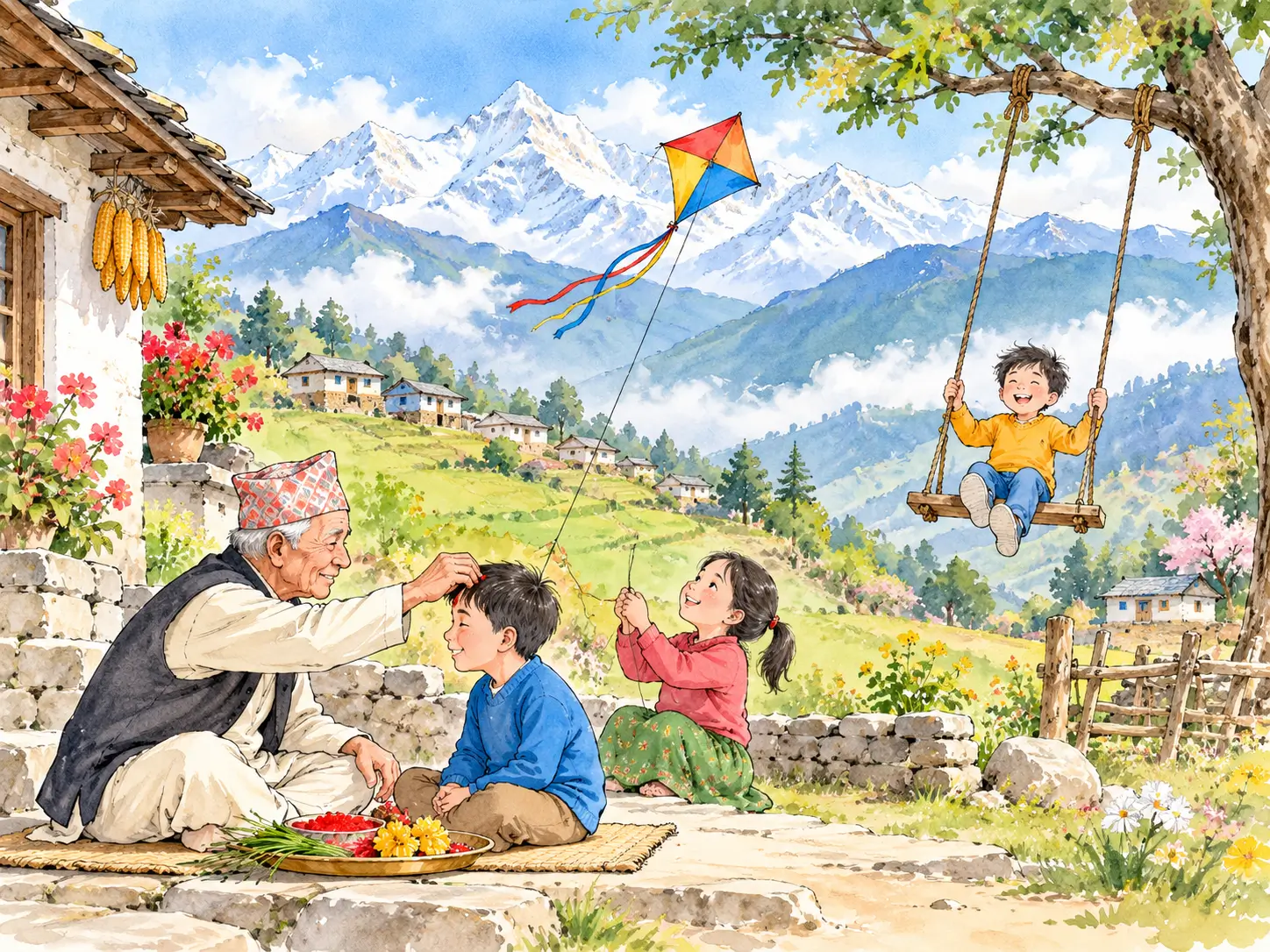
As Dashain approaches Nepali homes and communities, discussions begin about the festival's excitement, changing traditions, and different aspects of its celebration. Over time, significant changes have occurred in how Dashain is celebrated, the atmosphere in villages, and the relationships among people.
The happiness associated with Dashain in earlier times contrasts sharply with the emptiness now experienced in many villages because of young people's migration abroad. This contrast reflects the changing nature of festivals in Nepali society.
Alongside these social changes, Dashain's agricultural and religious significance remains important. The festival also reflects Nepal's multicultural and multilingual identity, while the attention given to these aspects by the media contributes to their recognition and preservation.
Childhood Dashain and Cherished Memories of the Past
In earlier times, excitement and anticipation would begin building long before Dashain arrived. For children in particular, waiting for the festival was a source of immense joy. They would count the days, eagerly wondering when Dashain would come so they could wear new clothes and enjoy special meals. The happiness associated with those moments was extraordinary and difficult to compare with anything else.
As Dashain approached, families would clean their homes and decorate the walls with red clay and white clay, known locally as kamero. These preparations created a festive atmosphere throughout the villages. The traditional melodies of Malshree announced the arrival of Dashain and added to the excitement.
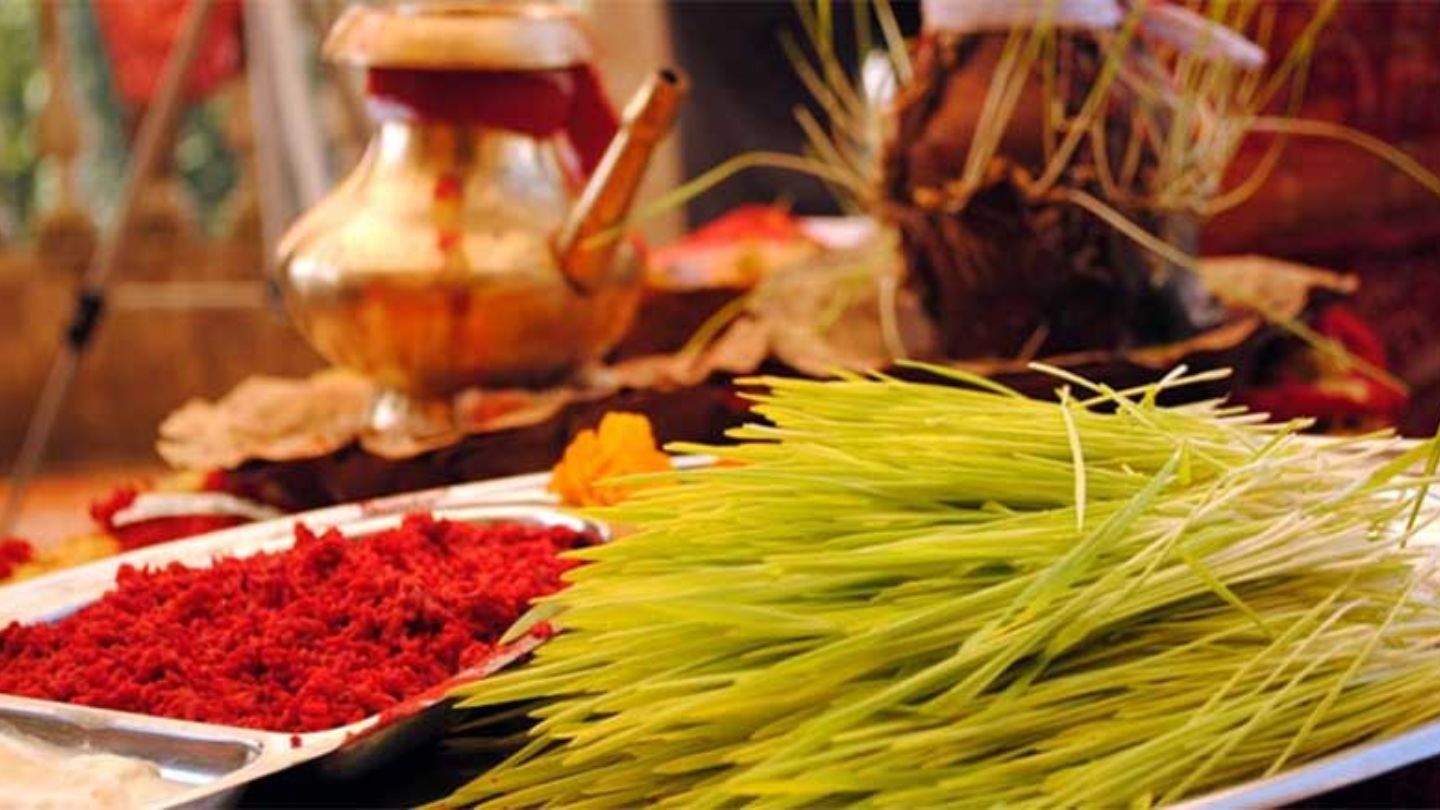
The heads of households, particularly fathers, would be busy managing family expenses and making other preparations. The festive atmosphere would become more noticeable from Ghatasthapana, when jamara seeds were planted at home.
From Phulpati onward, village elders would gather to construct traditional bamboo swings, known as linge ping, and rotating swings, called rote ping. These swings became important attractions during the festival, bringing children and communities together.
There were no mobile phones in people's hands or widespread internet facilities in those days. Nevertheless, people experienced genuine happiness and a strong sense of family connection.
Among the most cherished family rituals associated with Dashain was receiving tika, jamara, and blessings from respected elders, particularly grandparents. The joy of receiving their blessings, along with the excitement of receiving dakshina, or monetary gifts, was difficult to describe.
Migration and Technology: The Changing Atmosphere of Dashain
The close-knit family atmosphere of the past has changed considerably, and the way Dashain is celebrated today is noticeably different.
The traditional excitement that once filled villages during Dashain has gradually diminished in many places. Most young people have left their communities in search of employment abroad, while others remain occupied with personal responsibilities.
As a result, houses that once welcomed large family gatherings during Dashain now appear quiet and empty. Village courtyards, gathering places, and pathways that previously came alive with swings and festive activities have lost much of their former excitement.
Some families have also been affected by natural disasters such as floods and landslides, which have taken away their ability to celebrate the festival with the same happiness as before.
Technology has further changed how people maintain relationships during festivals. Members of the present generation increasingly exchange Dashain greetings through digital communication rather than meeting in person.
Opportunities for entire families to sit together, share meals, and listen to stories told by grandparents have become less common.
For many families, grandparents who once provided blessings, guidance, and affection are no longer alive. Their absence is deeply felt, especially during festivals associated with family reunions and respect for elders.
These changes reveal how migration, personal responsibilities, technological developments, and the loss of older generations have affected the traditional experience of Dashain.
The Victory of Truth Over Falsehood and Dashain's Deep Connection With Agriculture
From a religious perspective, Dashain is celebrated as a symbol of the victory of truth over falsehood.
The festival is closely associated with the Hindu religious story of Goddess Durga's victory over the demon Mahishasura. This account represents the triumph of righteousness over evil.
Dashain, regarded as one of Nepal's major festivals, traditionally begins on Ashwin Shukla Pratipada, known as Ghatasthapana, and continues until Kojagrat Purnima.
Another important aspect of Dashain is its connection with agriculture.
The festival has deep roots in the traditional agricultural practices of Nepali society and is closely associated with farming cycles and new harvests.
During Dashain, various traditions involve the worship of soil, plants, and tools or weapons. These practices reflect the relationship between human life, agricultural production, and the natural world.
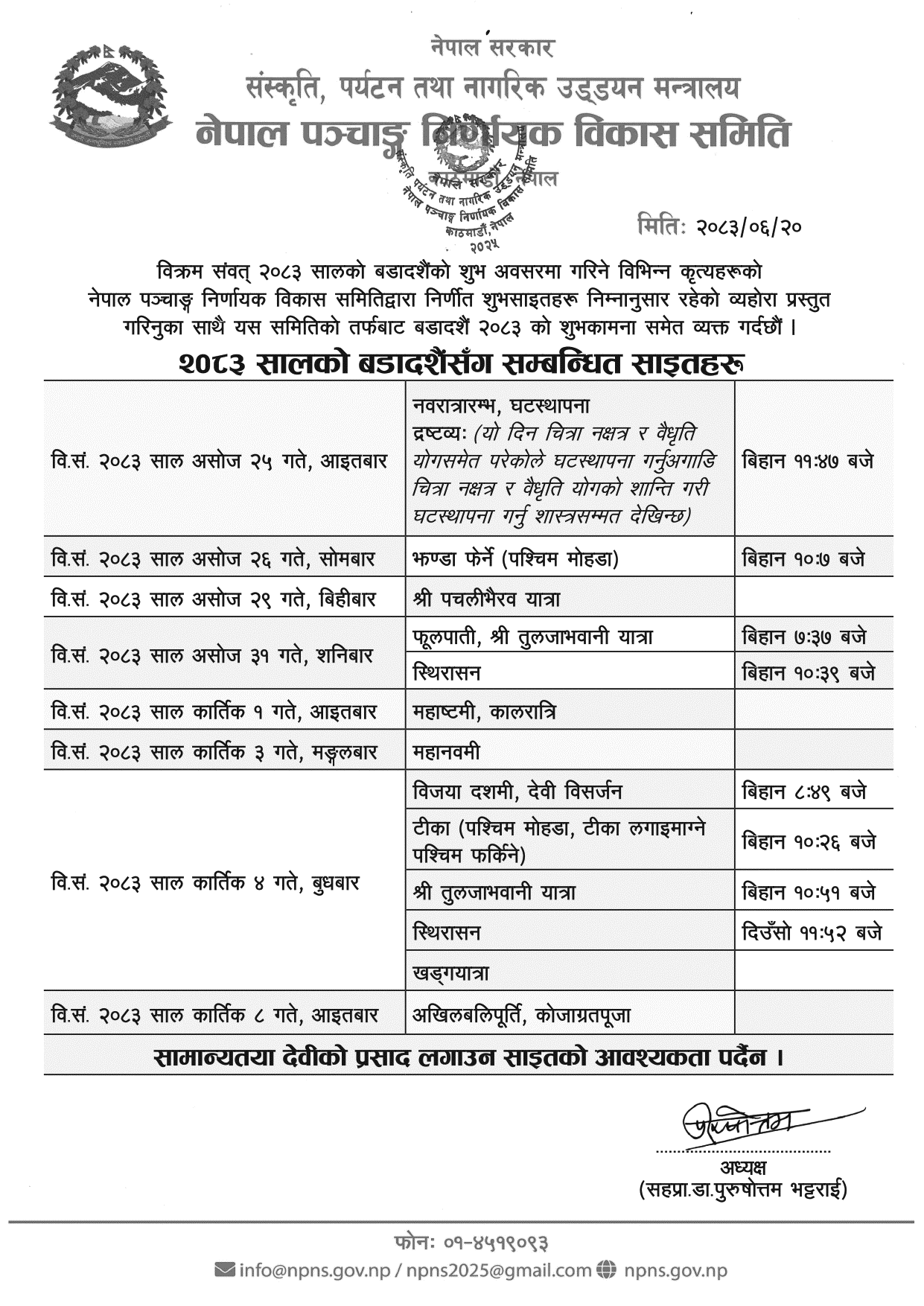
The festival begins with Ghatasthapana, followed by special religious worship on Maha Ashtami and Maha Navami. On Vijayadashami, family members receive tika, jamara, and blessings from respected elders.
Dashain is also interpreted as a form of nature worship associated with seasonal changes and prayers for favourable conditions and agricultural prosperity.
According to this interpretation, the festival is connected with Bhume Puja, or the worship of the earth, through which people express their desire for favourable seasons and productive harvests.
There is also a traditional belief that ancestral relationships continue to exist through nature. From this perspective, Dashain is understood as a festival that developed around bidding farewell to the rainy season and welcoming autumn.
These interpretations highlight Dashain's connections with nature, agriculture, seasonal transitions, and ancestral traditions alongside its religious significance.
Cultural and Linguistic Diversity and the Role of the Media
Not all communities celebrate Dashain in the same manner or understand its significance from the same perspective.
While some communities observe it primarily as a religious festival, others regard it as a cultural and family occasion rather than an exclusively religious celebration.
Dashain, therefore, should not be understood merely as a festival of receiving tika and jamara. It also provides opportunities to strengthen social unity, celebrate victory, maintain family relationships, and exchange blessings.
Religious narratives associate the festival with the victory of truth and righteousness. At the same time, Nepali communities have incorporated their own cultural practices and traditions into its celebration.
This diversity has given Dashain an important place in Nepal's religious and cultural life.
The media also plays an important role in preserving and promoting the linguistic and cultural diversity of Nepali society.
In particular, programmes broadcast in different mother tongues help represent the country's diverse communities and cultural traditions. Such programmes provide opportunities for different linguistic groups to express and maintain their cultural identities.
Recognising these varied perspectives is important because the cultural meaning of Dashain extends beyond any single religious interpretation or method of celebration.
Although Dashain continues to change with time and technological development, its underlying connections with nature, agriculture, and social unity remain significant.
Festivals that encourage family reunions and respect for linguistic and cultural diversity continue to play an important role in maintaining connections among people in Nepali society.


.png)

Comments 0
No comments yet. Be the first to start the conversation.