



Nag Panchami: A Festival Connected with Nature and Culture and Its Significance
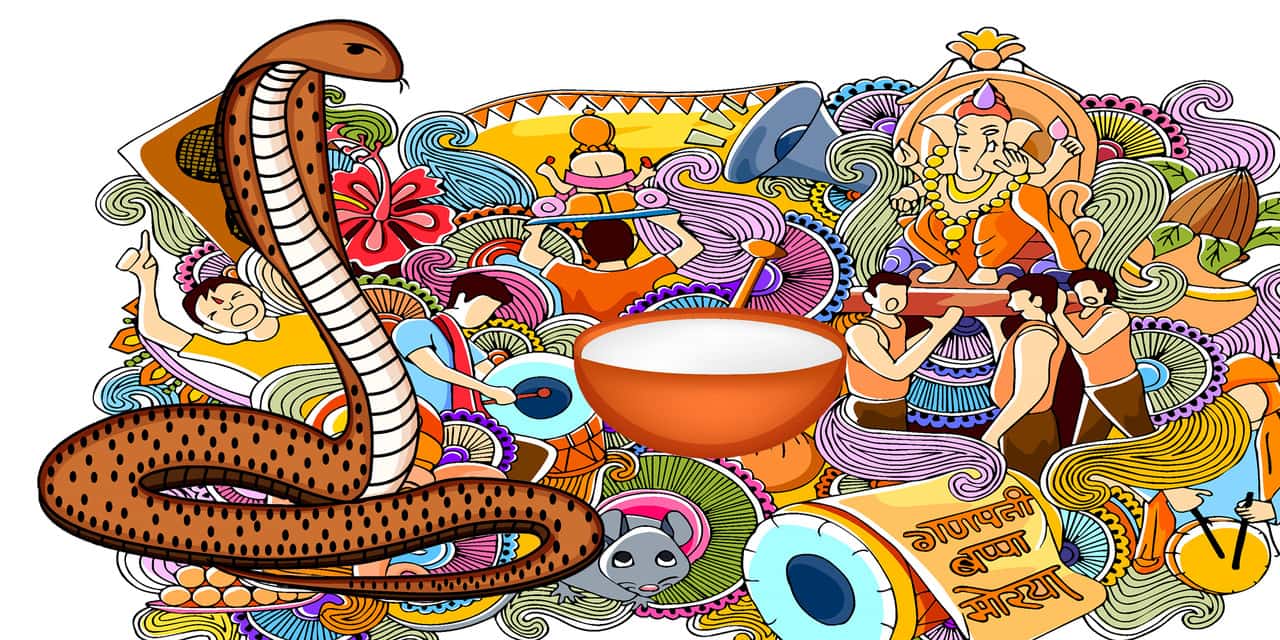
Observed every year on Shrawan Shukla Panchami under the Vedic Sanatan tradition, the festival of Nag Panchami strengthens the interdependent relationship between humans and nature. According to Dr. Vasudev Kafle, Nagas are worshipped on this festival not merely as destructive creatures, but as bearers of creation, protection, and power. Nag Panchami is not limited to religious faith; it also holds deep scientific and environmental significance.
Scriptural and Mythological Basis
Texts including the Varaha Purana, Bhavishya Purana, Skanda Purana, and Mahabharata contain detailed descriptions of the origin and significance of the Naga race.
-
It is believed that the eight Nagas—Ananta, Vasuki, Padma, Mahapadma, Takshaka, Kulira, Karkata, and Shankhapala/Shankhanaga—were born to Maharshi Kashyapa, a mind-born son of Brahma, and his wife Kadru.
-
According to the Adi Parva of the Mahabharata, after King Parikshit was bitten by the serpent Takshaka, his son Janamejaya began the “Sarpa Satra Yajna” to destroy the serpents. However, Sage Astika stopped the yajna on Shrawan Shukla Panchami and protected the entire Naga race. It is believed that, in gratitude, the Nagas granted a boon that those who worship them on this day would be free from the fear of snakebite.
-
Regarding their association with the Trimurti, Lord Shiva is described as wearing the serpent Vasuki around his neck, while Lord Vishnu rests on Sheshanaga (Ananta) in the Kshira Sagara.
Nag Worship Rituals and Religious Fairs
-
On this day, there is a tradition of placing an image depicting the eight Nagas on the main entrance of the house in the early morning with the help of cow dung.
-
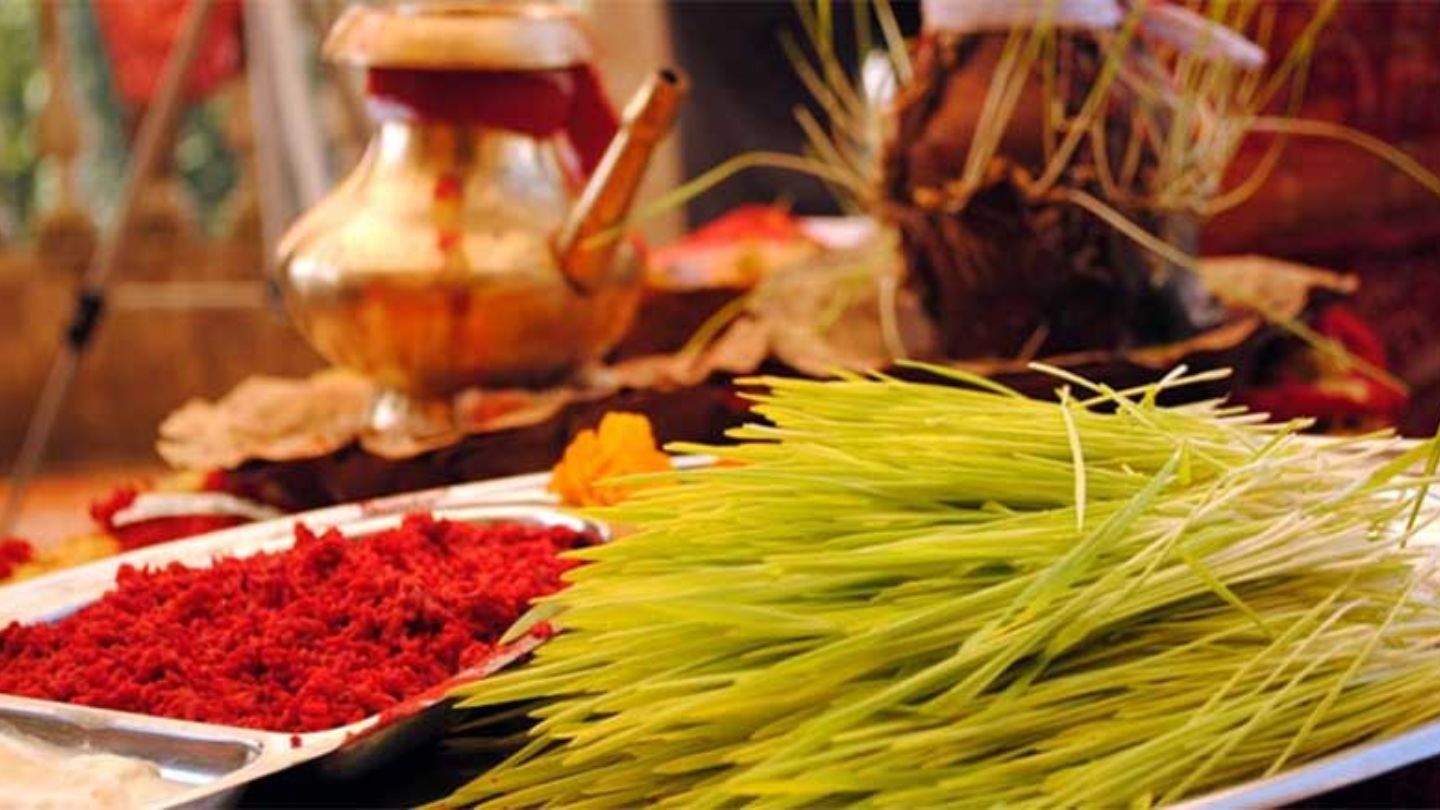
In this worship, which is based on Vedic and Tantric methods, offerings considered dear to the Nagas—including milk, dubo grass, kush grass, sandalwood, akshata, and lawa (puffed roasted rice)—are presented. In some places, rice-flour bread cooked in ghee without sugar is also offered as prasad.
-
On Nag Panchami, large numbers of devotees gather at Taudaha and Nag Pokhari in Kathmandu, Siddha Pokhari in Bhaktapur, and various Nag ponds and Shiva temples across the country.
Activities Prohibited on This Day
According to astrology and the Puranas, the Naga deities are the presiding deities of the Panchami tithi, and their principal abode is believed to be underground or in Patal Lok. Therefore, certain activities related to the earth and agriculture are prohibited on this day:
-
Digging the ground or ploughing fields is prohibited because doing so may cut or harm Nagas or snakes living beneath the soil.
-
The use of sharp tools such as sickles and axes for cutting trees, vegetables, or crops is restricted.
-
In some local traditions, directly cooking roti or other dishes on an iron griddle or frying pan on this day is considered inauspicious.
Scientific, Environmental, and Astrological Significance
The tradition of Nag worship is believed to play a distinctive role in environmental conservation:
-
Snakes are called “friends of farmers” because they eat rats and various harmful pests in agricultural fields, helping protect crops from damage.
-
Snakes are believed to absorb certain toxic gases and elements present in the atmosphere and thereby help keep the environment clean.
-
The folk belief that Nagas reside near water sources encourages people to keep rivers, wells, ponds, and other water sources clean.
-
According to astrology, when all the planets fall between Rahu and Ketu, a condition known as “Kaal Sarp Yoga” or dosha is formed. It is believed that people affected by this condition may attain peace by performing special rituals on Nag Panchami, and that Pitri Dosha and the adverse effects of Rahu and Ketu may also be removed.




.png)

Comments 0
No comments yet. Be the first to start the conversation.