



Emphasis on Making Karnali Province’s Education Plan Inclusive, High-Quality and Accessible
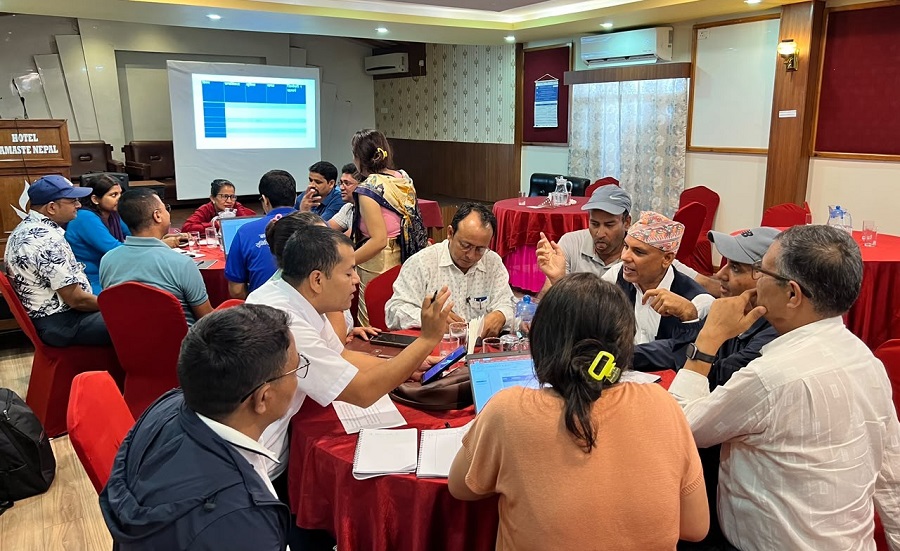
Stakeholders have emphasized the need to make the education plan of Karnali Province inclusive, high-quality and accessible. Participants at a workshop held in Surkhet to identify capacities, gaps and priorities for preparing the provincial education plan said that inclusive education should be given priority.
Final Preparation of the Plan and the Ministry’s Commitment
At the workshop, Ministry of Social Development Secretary Roshni Kumari Shrestha said that the provincial government was in the final stage of preparing the education plan. She committed to incorporating stakeholders’ suggestions to make Karnali Province’s education plan inclusive, high-quality and accessible.
Secretary Shrestha said that the efforts of a single person or institution would not be sufficient to ensure inclusive, equitable and quality education. She noted that even a well-designed plan would not achieve the expected results if its implementation remained weak.
She also said that residential schools were needed for students in remote districts and emphasized that technical and vocational aspects should be considered when investing in education infrastructure.
Key Challenges in Implementing Inclusive Education
Ministry of Social Development Education Officer Balbir Sunar, Eighth Level, presented a summary of the provincial government’s draft education sector plan, the status of the current fiscal year’s plans and budget, and Karnali’s situation, challenges and opportunities in relation to inclusive education.
He identified the following as the main challenges to implementing inclusive education in Karnali:
-
Lack of disability-friendly infrastructure
-
Shortage of skilled and trained teachers
-
Lack of data and identification systems
-
Limited social awareness and understanding
-
Financial hardship and seasonal migration
Survey Findings and Areas Requiring Attention
People in Need Provincial Coordinator Manju Lohani presented the findings of a survey on inclusive education conducted with stakeholder bodies at the local and provincial levels.
She said that particular attention should be given to girls’ education in Nepal, children with disabilities, children from economically disadvantaged families, and children living in geographically remote areas to ensure equal access to education and meaningful participation for all children.
She noted that bringing these children into mainstream school education remains a major challenge for Karnali, particularly in ensuring access to quality education for rural students.
The workshop was organized under the ACCESS Project, supported by the European Union, and attended by representatives of government and non-governmental organizations, development partner institutions and the media.
The ACCESS Project is being implemented through a partnership involving People in Need, Accountability Lab Nepal, the National Campaign for Education Nepal and the Nepal Disabled Women Association. The project aims to ensure education for all by strengthening the role of civil society.
The workshop also discussed the roles that communities, schools, local governments, the provincial government and partner organizations must play in ensuring education for all.
The education plan priorities identified by the participants will be submitted to the ministry, and advocacy will be conducted for their implementation.

Comments 0
No comments yet. Be the first to start the conversation.