




Nepal’s Literacy Rate Rises by Over 10 Points in a Decade
Nepal’s literacy rate has increased by around 10 percent over the past decade. According to the education report under the National Census, 2078, made public by the National Statistics Office on Tuesday, the national literacy rate rose by 10.3 percentage points to reach 76.2 percent during this period.
This literacy rate is for the population aged 5 years and above. In the 2068 Census, the literacy rate was 65.9 percent.
Key Statistics
-
National literacy rate (age 5+): 76.2%
-
Literacy rate in Census 2068 (age 5+): 65.9%
-
Overall increase in literacy (2068 to 2078): +10.3 percentage points
-
Male literacy rate: 83.6%
-
Female literacy rate: 69.4%
-
Male–female literacy gap: ~14 percentage points
-
Female literacy increase in a decade: +12 percentage points
-
Male literacy increase in a decade: +8.5 percentage points
-
Female literacy in 2068: 57.4%
-
Male literacy in 2068: 75.1%
-
Literacy rate (under 18 years): 99%
-
Literacy rate (Bagmati Province): 95%
-
Literacy rate (Gandaki Province): 95%
-
Literacy rate (Madhesh Province): 66%
-
Adolescent literacy (all castes): Above 98%
-
Adolescent literacy (Madhesi Dalit): 80%
-
Households with no literate member (Madhesh Province): 13.4%
-
Households with no literate member (Dalit communities in Madhesh): 23%
-
Out-of-school (age 15–19): 1 in 4
-
Out-of-school children (age 5–17): ~10% (about 770,000)
-
Never attended school: 380,165
-
Dropped out after attending: 390,000
-
Never attended school (Madhesh Province): More than 60% (provincial share)
-
Out-of-school before adolescence (Gandaki Province): Less than 5%
-
Out-of-school (poor households): 45%
-
Out-of-school (affluent households): 3%
-
Districts not declared literate (Madhesh): 8 districts
-
Target literacy rate for Madhesh (government goal): 86%
-
Out-of-school children (age 5–9): 96,000
Male and Female Literacy Rates
As per the public report:
-
Male literacy rate has reached 83.6 percent.
-
Female literacy rate has reached 69.4 percent.
Although women make up more than half of the population, the female literacy rate is seen to be nearly 14 percent lower than the male literacy rate.
Over one decade, female literacy increased by 12 percent, while male literacy increased by 8.5 percent. According to the 2068 Census, female literacy was 57.4 percent and male literacy was 75.1 percent.
While releasing the report, National Statistics Office Director Binodsharan Acharya said that even though female literacy has increased more than male literacy over the decade, overall it is still lower than the male literacy rate. He stated that a literacy gap between women and men still exists, and this shows that Nepal has seen significant improvement in women’s literacy in the past decade.
He also emphasized the need for the government to develop new policies and programs to further raise women’s educational level based on this data.
Literacy Among Children Under 18
The literacy rate among children under 18 years of age has reached 99 percent. Director Acharya said this reflects intergenerational improvement.
Provincial and Community-Level Differences
Literacy is lower in Madhesh. Provincially, Bagmati Province and Gandaki Province have a literacy rate of 95 percent, while Madhesh Province has a literacy rate of only 66 percent.
Although the literacy rate among adolescents is above 98 percent across all castes, the data shows that this rate is only 80 percent among Madhesi Dalits.
Director Acharya stated that experts at the office analyzed literacy at the household level based on the received data. From this, it was found that in Madhesh Province, 13.4 percent of households have no literate member. Among Dalit communities in Madhesh, the proportion of such households is 23 percent.
Disability and Literacy
Among persons with disabilities, adult literacy is lowest among those with intellectual disability and autism. The data also shows that the gap between people with sensory disabilities and those without such disabilities has been decreasing over time.
School Attendance and Out-of-School Children
According to the data, although school attendance after the age of 5 is high, attendance drops sharply after the secondary level. The report also highlights that one out of every four individuals in the 15 to 19 age group is out of school. This problem is even greater in the case of girls.
At the national level, census data shows that around 10 percent of children aged 5 to 17—about 770,000 children—are still out of school.
Chief Statistician Dr. Kamal Pokhrel said that among them:
-
380,165 have never attended school, and
-
390,000 attended school but later dropped out.
He stated that this situation is more common in remote geography, low-income levels, and marginalized communities. The risk of being out of school is high at the early age of 5 and at the age of entering secondary level (10–14 years). He added that dropout trends rise especially after Grade 5.
Provincially, Madhesh Province has a share of more than 60 percent of children who have never attended school.
In Gandaki Province, the proportion of children out of school before adolescence is less than 5 percent. By caste and community, nearly three-fourths of children from Madhesi groups, Madhesi Dalits, and linguistic minority communities have never attended school.
The number of out-of-school children among hill caste groups and hill indigenous communities is comparatively low. Director Acharya said that the level of wealth has become a key determinant of school attendance. He stated that 45 percent of children from poor families are still out of school, while only 3 percent of children from affluent families are out of school.
It was also found that children from affluent families did not attend school for various reasons.
Higher Education Enrollment Trends
In higher education, student presence was found to be mainly concentrated in education, management, humanities, and science and technology. Nearly one-third of students are in the education faculty. However, the report notes that the economic contribution of this sector appears limited.
Director Acharya also pointed out that subject selection is influenced by caste, gender, regional factors, and wealth status, which may create a risk of imbalance in the future labor market.
Government Response and Ongoing Challenges
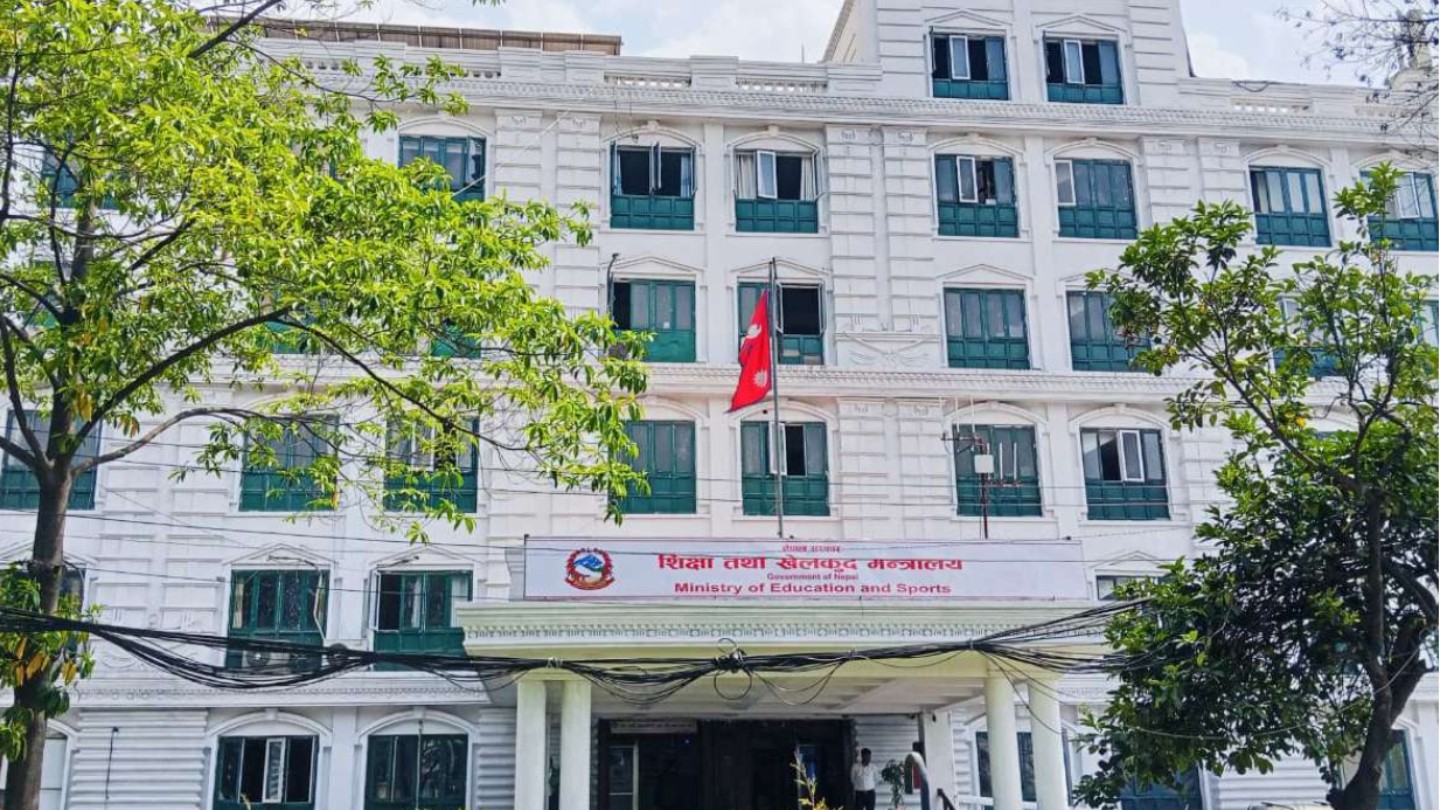
Ministry of Education, Science and Technology spokesperson Shivkumar Sapkota said that after the Constitution issued in 2072 ensured education as a fundamental right, policy initiatives such as free and compulsory education, the School Education Sector Plan (2079–2088), the mid-day meal program, and targeted scholarships have improved school attendance and learning outcomes. However, he stated that bringing 10 percent of secondary-level children into school remains a challenge for the government.
He said the ministry is moving forward with work aimed at improving education for disadvantaged communities and children in Madhesh, with the goal of bringing targeted groups into school. He also stated that the ministry is making continuous efforts to bring 100 percent of students into school.
According to him, all districts have been declared literate except eight districts in Madhesh, and Dolpa District is also in the process of being declared literate. He added that programs are being implemented with the goal of raising Madhesh’s literacy rate to 86 percent, and Madhesh Province has also committed to declare itself literate within this fiscal year, meaning within six months.
He further stated that 96,000 children aged 5 to 9 at the primary level are out of school, and efforts are underway to bring all of them into school within the current fiscal year.

Comments 0
No comments yet. Be the first to start the conversation.