



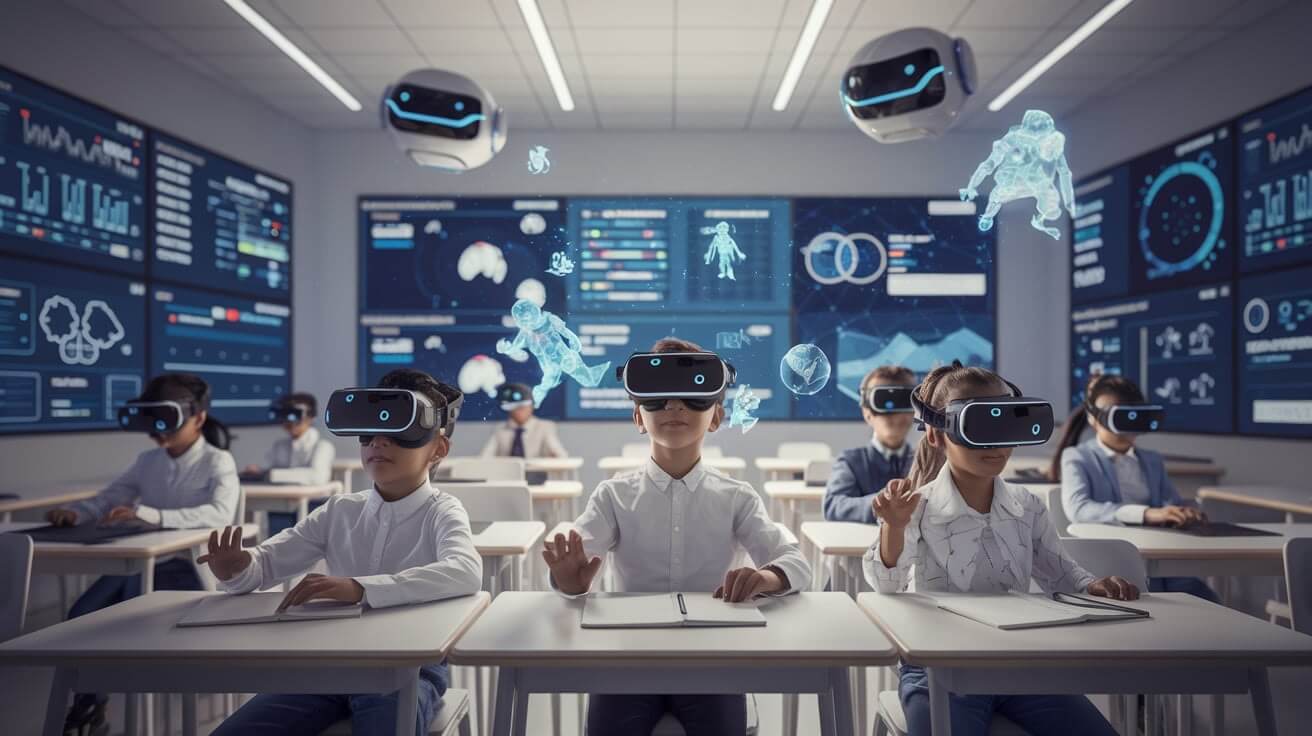
Skills Students Should Develop for the Future of Work
Technology, automation, artificial intelligence, demographic change, and economic shifts are changing how people work. The World Economic Forum’s Future of Jobs Report 2025 projects that 170 million new roles could be created by 2030, while 92 million roles may be displaced, resulting in a net gain of 78 million jobs. The report also estimates that 22% of jobs will be disrupted by 2030.
For students, the message is clear: preparing for the future of work is not only about learning technical skills. It also requires adaptability, sound judgment, communication, creativity, and a habit of continuous learning.
Understanding the Changing Workplace
Technology Is Reshaping Jobs
Automation and AI are changing many routine tasks, but they are also creating demand for new roles and new combinations of skills. According to the World Economic Forum, fast-growing areas include technology, data, AI, cybersecurity, care, education, delivery, construction, and agriculture-related roles.
This does not mean every student needs to become a programmer. It does mean that students should understand how digital tools work, how to use them responsibly, and how technology affects the field they plan to enter.
Career Paths Are Becoming Less Fixed
Many workers are likely to change roles, industries, or skill sets during their careers. McKinsey Global Institute has estimated that 75 million to 375 million workers worldwide may need to switch occupational categories and learn new skills by 2030, depending on the pace of automation.
Students can prepare by building transferable skills: problem-solving, communication, digital literacy, teamwork, and the ability to learn new tools quickly.
Key Skills Students Should Build
Analytical Thinking and Problem-Solving
Analytical thinking helps students understand information, identify patterns, compare options, and make better decisions. The World Economic Forum identifies analytical thinking as the most in-demand core skill among employers, with seven in ten companies considering it essential.
Students can develop this skill by working with data, solving case studies, studying research methods, learning spreadsheet tools, and practicing evidence-based decision-making.
Digital and AI Literacy
Digital literacy now extends beyond basic computer use. Students should understand productivity tools, online collaboration, data privacy, cybersecurity basics, and the responsible use of AI tools.
A U.S. analysis by the National Skills Coalition and the Federal Reserve Bank of Atlanta found that 92% of online job postings studied in 2021 required at least one digital skill. The same analysis found that demand for digital skills appeared across industries, including entry-level roles.
Useful areas to explore include:
-
Spreadsheets and data analysis
-
Digital communication tools
-
Basic coding or automation
-
AI tools and their limitations
-
Cybersecurity awareness
-
Cloud-based collaboration platforms
Adaptability and Lifelong Learning
The skills required for many jobs are changing. The World Economic Forum reports that nearly 40% of skills required on the job are expected to change by 2030, and 59 out of every 100 workers may need reskilling or upskilling.
Students can build adaptability by taking short courses, reading about industry trends, learning from feedback, and regularly updating their skills. The goal is not to master every new technology, but to become comfortable learning throughout life.
Creativity and Initiative
Creativity is useful in more than art or design. It helps students find new approaches to problems, improve existing systems, and develop original ideas. Initiative means acting responsibly without waiting to be told every step.
Students can practice creativity and initiative by starting small projects, joining competitions, improving a process at school, volunteering, or developing a personal portfolio.
Communication and Emotional Intelligence
Workplaces depend on clear communication, active listening, empathy, and the ability to work with people from different backgrounds. Emotional intelligence helps students manage stress, respond to feedback, resolve conflict, and build trust.
Students can strengthen these skills through group projects, presentations, debates, peer mentoring, volunteering, and leadership roles in clubs or community activities.
Leadership and Social Influence
Leadership is not limited to formal titles. It includes organizing people, setting goals, making decisions, listening to others, and helping a team move forward.
Students can develop leadership by managing a group assignment, organizing an event, leading a study group, volunteering in the community, or taking responsibility for a project from planning to completion.
How Students Can Start Developing These Skills
Use Formal and Online Learning
Schools, colleges, training centers, and online platforms can help students build both technical and soft skills. Short courses in data analysis, AI basics, digital marketing, communication, project management, or cybersecurity can complement regular studies.
Build Practical Experience
Skills become stronger when they are applied. Students should look for opportunities to work on real or realistic projects. Internships, volunteering, school clubs, research projects, competitions, and part-time work can all provide useful experience.
Create a Portfolio
A portfolio helps students show what they can do. It may include writing samples, design work, coding projects, research summaries, presentations, case studies, volunteer work, or certificates.
A simple portfolio can help students explain their skills more clearly when applying for internships, scholarships, or entry-level roles.
Practice Time Management
Students often balance classes, exams, family responsibilities, and personal goals. Time management makes skill development more realistic.
Simple habits can help:
-
Break large tasks into smaller steps
-
Set weekly learning goals
-
Use a calendar or task list
-
Prioritize deadlines
-
Review progress regularly
Learn With Others
Peer learning can make skill development easier. Study groups, clubs, online communities, and mentoring relationships allow students to exchange ideas, receive feedback, and stay motivated.
Challenges Students May Face
Limited Access to Resources
Not every student has access to paid tools, premium courses, or strong internet connectivity. Free learning resources, public libraries, school labs, open textbooks, and community programs can help reduce this gap.
Information Overload
Students may feel pressure to learn every new tool or technology. A better approach is to focus on fundamentals first: communication, problem-solving, digital literacy, and learning how to learn.
Lack of Confidence
New skills often feel difficult at the beginning. Students can build confidence by starting with small projects, asking for feedback, and tracking progress over time.
Conclusion
The future of work will reward students who can combine technical awareness with human skills. Analytical thinking, digital literacy, adaptability, communication, creativity, and leadership are useful across many fields.
Students do not need to prepare for every possible change at once. A steady approach—learning new tools, practicing real projects, working with others, and staying curious—can build a strong foundation for future careers.




Comments 0
No comments yet. Be the first to start the conversation.