




When a mistake feels personal
Most people don’t stop learning because a topic is “too hard.” They stop after one moment that feels personal.
You miss a question in an exam and your mind whispers, “I’m not smart.”
You try speaking English, make one error, and think, “Everyone noticed.”
You get feedback on your work, and your stomach drops like the feedback is about you, not the task.
That reaction changes your next step. You avoid practice. You stay quiet. You choose the safe option. Over time, your learning slows down, even when you have the ability to improve.
A growth mindset helps in this exact moment. It gives you a different way to explain difficulty. Not “This is my limit,” but “This is my next skill to train.”
This guide breaks growth mindset into real actions, real examples, and a repeatable routine you can use in school, work, and daily life.
Growth mindset in plain language
A growth mindset means believing your ability can improve through learning, practice, and feedback. The idea is widely linked with research by psychologist Carol Dweck and has been explored across education settings.
A fixed mindset treats ability like a fixed label.
A growth mindset treats ability like a skill that develops over time.
That’s the foundation.
Fixed mindset signs you can spot fast
Fixed mindset thinking often sounds like:
-
“I’m bad at math.”
-
“I’m not creative.”
-
“I can’t speak confidently.”
-
“If I fail, it proves I’m not capable.”
Notice the pattern. The conclusion is about identity.
Growth mindset signs you can practice daily
Growth mindset thinking often sounds like:
-
“My method needs improvement.”
-
“I need more practice on this step.”
-
“My mistake shows what to fix next.”
-
“I can improve with feedback and repetition.”
The focus moves from identity to action.
What a growth mindset is not
A growth mindset does not mean pretending everything is easy.
It does not mean smiling through failure.
It does not mean endless effort with no strategy.
A useful growth mindset is practical:
-
effort + method
-
practice + feedback
-
patience + adjustment
If you repeat the wrong approach for hours, hard work won’t save it. Better practice beats longer practice.
Why change is possible: the learning science behind mindset
Mindset matters since it shapes what you do after struggle. That behavior shapes results.
Neuroplasticity: your brain adapts through learning
Neuroscience supports neuroplasticity, the brain’s ability to adapt based on experience and training. A study in Science Advances followed illiterate adults and reported that six months of literacy training was linked with measurable brain changes.
This doesn’t mean learning is instant. It means skill development is realistic when practice is consistent.
Self-efficacy: belief affects persistence
Psychologist Albert Bandura’s work on self-efficacy describes a simple pattern: belief influences whether you start a task, how much effort you invest, and how long you continue under difficulty.
A growth mindset supports self-efficacy by shifting your focus from “I can’t” to “I’m learning.”
What the evidence says in education (with honest limits)
Growth mindset is popular online. Evidence is more balanced. It points to benefits, plus clear limits.
PISA 2018: mindset links with performance
OECD analysis using PISA 2018 data reported that students with a growth mindset scored higher in reading on average. One OECD report notes a 31-point higher reading score, after accounting for socioeconomic profile.
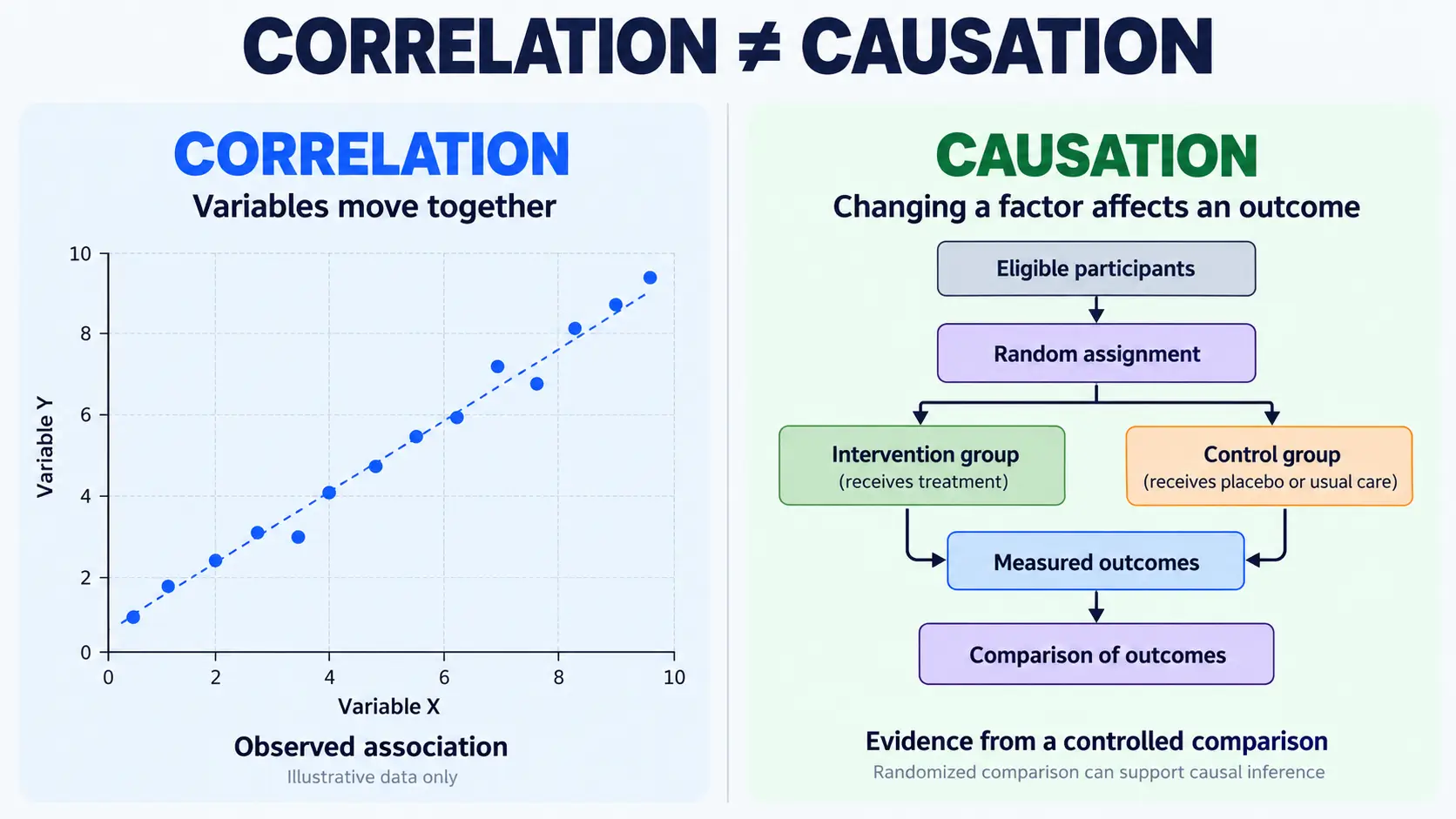
This is not proof that mindset causes higher marks on its own. It shows a meaningful connection between mindset beliefs and learning outcomes at scale.
Why results differ across research
A major meta-analysis by Sisk and colleagues reported a small average relationship between growth mindset and academic achievement (r ≈ .10).
That finding matters for responsible writing. Growth mindset can help, yet it won’t replace good teaching, time, safety, or support. It works best as a day-to-day practice, not a one-time slogan.
Real growth mindset examples (before → after)
This is where the concept becomes usable. Growth mindset is the next decision you make after a mistake.
Example 1: A student stuck in math
Before: “I’m bad at math.”
After: “I’m missing one base step. I can train that part.”
What changes in behavior:
-
The student stops jumping between random topics.
-
They pick one question type.
-
They practice similar problems.
-
They correct errors and repeat.
A shift from “I’m bad” to “I need a better method” keeps learning alive.
The “mistake notebook” method (simple and effective)
After practice or a test, write:
-
What I wrote
-
What was correct
-
Where my step went off
-
The rule I missed
-
One sentence for next time
This turns mistakes into learning material, not shame.
Example 2: A learner afraid to speak English
Before: “My English is weak. People will judge me.”
After: “My speaking skill needs training. I can practice in short daily drills.”
What changes:
-
One minute of recorded speaking daily
-
One focus per week (pronunciation, pauses, clarity)
-
Repeated short phrases from real conversations
Confidence often follows repetition. It rarely comes first.
Example 3: A writer learning from edits
Before: “This editor hates my writing.”
After: “This feedback is about my draft. I can revise structure and clarity.”
What changes:
-
Revision happens one section at a time
-
The writer learns one skill per revision (topic sentences, examples, flow)
-
Feedback becomes a tool, not a personal attack
This connects with research on praise and motivation. Mueller and Dweck found that praising intelligence can lead students to focus more on proving ability, and respond worse after failure, compared with praising effort and process.
The same pattern shows up in writing: when identity feels on trial, feedback hurts more.
Example 4: A job seeker improving interview performance
Before: “I’m not confident in interviews.”
After: “My answers lack structure. I can practice a clear format.”
What changes:
-
Practice 8 common interview questions
-
Record answers on a phone
-
Improve pacing and clarity
-
Repeat twice a week
Skill grows through repetition plus correction.
Example 5: An athlete rebuilding after a loss
Before: “I collapse under pressure.”
After: “I need pressure training. I can practice under match conditions.”
What changes:
-
Pressure drills at the end of training
-
Recovery routines (breathing, reset cues)
-
Calm review notes after mistakes
A growth mindset does not remove pressure. It teaches you how to train for it.
The Growth Mindset Routine: 7 steps you can repeat
You don’t need a dramatic change to build a growth mindset. You need a repeatable routine.
Step 1: Catch the sentence
Most mindset problems start as one sentence:
-
“I can’t do this.”
-
“I always mess up.”
-
“I’m not good at this.”
Write it down. Naming it creates space.
Step 2: Replace labels with skills
Swap identity labels for skill language:
-
“I’m weak in math” → “My basics need revision.”
-
“I’m shy” → “My speaking skill needs practice.”
This keeps your brain in problem-solving mode.
Step 3: Add “yet” and pick one next action
Try this shift:
-
“I can’t do this yet.”
-
“My next action is one practice step.”
Examples:
-
10 practice questions
-
rewrite one paragraph
-
ask one teacher question
-
do one short speaking drill
Small action beats heavy overthinking.
Step 4: Practice with feedback loops
Practice without feedback can turn into repetition with no improvement. Feedback makes training smarter.
Deliberate practice: what it means in real life
Deliberate practice is focused work on weak areas, with correction and repetition. Ericsson’s work describes deliberate practice as structured activity aimed at improvement, not casual repetition.
Use this loop:
-
Pick one weak area
-
Practice short sessions
-
Check errors or get feedback
-
Repeat with one adjustment
That builds skill faster than random practice.
Step 5: Ask for feedback you can use
Avoid: “Was it good?”
Use questions that lead to action:
-
“What part was unclear?”
-
“What should I improve first?”
-
“What should I practice next?”
Good feedback feels specific.
Step 6: Make small challenges normal
Growth mindset grows through manageable discomfort.
Try one weekly challenge:
-
speak once in class
-
start with the hardest topic
-
apply for one role that feels difficult
-
do one timed practice test
-
present for two minutes in a group
When challenge becomes routine, fear loses control.
Step 7: Review weekly without self-attacks
Weekly review keeps progress steady:
-
What did I practice?
-
What improved?
-
What stayed weak?
-
What will I adjust next week?
No insults. No labels. Only learning notes.
Growth mindset phrases you can use today
Language shapes reaction. Reaction shapes habit.
Phrases for studying
-
“This chapter needs a better method.”
-
“My mistake shows what to revise.”
-
“One step at a time.”
-
“Confusion is a learning signal.”
Phrases for work
-
“I can learn this through practice.”
-
“I need feedback on this part.”
-
“I’ll test one approach and revise.”
Phrases for criticism
-
“This is about my work, not my worth.”
-
“I’ll apply one fix first.”
-
“Tell me the clearest improvement point.”
Growth mindset in school and exam preparation
Growth mindset matters most during pressure.
Better study beats longer study
Many students get stuck repeating the same method:
-
re-reading notes again and again
-
highlighting pages with no practice
-
memorizing without testing
Try methods that create learning proof:
-
practice questions with correction
-
teach the topic in your own words
-
write short summaries after each unit
-
review errors weekly
Same time. Better results.
Praise that supports learning
Praise shapes motivation. Mueller and Dweck’s findings suggest that intelligence-focused praise can push learners toward proving ability, with weaker responses after setbacks, compared with effort-focused feedback.
Instead of:
-
“You’re smart.”
Use:
-
“Your steps were clear.”
-
“Your revision improved your answer.”
-
“Your practice improved your speed.”
This supports learning behavior, not fragile confidence.
Growth mindset at work
Work rewards people who learn, adapt, and stay teachable.
Learning goals vs fear of looking weak
Fear-based habits look like:
-
avoiding questions
-
hiding mistakes
-
choosing only safe tasks
Learning-based habits look like:
-
asking early
-
correcting fast
-
training one skill each week
The second set builds long-term strength.
Comparison that helps, not harms
Comparison becomes harmful when it turns into: “I’m behind.”
Try a better question:
-
“What skill do they have that I can train?”
That turns comparison into a learning plan.
Common traps that block growth
A growth mindset fails when people misunderstand it.
Trap 1: effort without strategy
Some people hear “growth mindset” and focus only on effort.
Effort matters. Strategy matters too.
If you practice the wrong method for weeks, effort won’t fix it. Feedback and adjustment fix it.
Trap 2: fake growth mindset talk
Fake growth mindset sounds like:
-
“Failure is fun!”
-
“I love challenges!”
Real growth mindset sounds like:
-
“This is hard. I’ll train the next step.”
You don’t need excitement. You need follow-through.
Trap 3: ignoring support and environment
Mindset is one factor. Learning outcomes are shaped by many factors, including time, teaching quality, resources, and safety. Research reviews highlight that mindset intervention effects are often small on average, with variation across settings.
So treat mindset as one helpful tool inside a wider learning system.
Closing thoughts
A growth mindset is not something you “have.” It’s something you practice.
It shows up when:
-
you miss a question and try again
-
you take feedback and revise
-
you treat struggle as information
-
you replace labels with skills
Start small. Catch the fixed sentence. Pick one next action. Practice. Review. Repeat next week.
That’s how growth becomes real—quietly, steadily, and with less fear.
FAQs
1) What is a growth mindset in simple words?
A growth mindset means believing skills can improve through learning, practice, and feedback. Mistakes become signals for what to train next.
2) How can I build a growth mindset if I fail often?
After each failure, write one reason it happened (method, time, focus, confusion) and one next action. Practice that fix for a week.
3) What are real growth mindset examples in student life?
Correcting errors with a mistake notebook, changing study methods, asking questions after confusion, and practicing with feedback are common examples.
4) What is the difference between growth mindset and fixed mindset?
Fixed mindset treats ability as a permanent label. Growth mindset treats ability as a skill you can build over time through training.
5) Can a growth mindset help in jobs and interviews?
Yes. It helps you treat weak areas as skills to train, such as communication, structure, and confidence under pressure.
References
-
OECD (PISA 2018): growth mindset and reading score differences
-
Sisk et al. (2018): meta-analysis on mindset and academic achievement
-
Mueller & Dweck (1998): praise for intelligence vs effort
-
Skeide et al. (2017): literacy training and neuroplastic changes in adults
-
Bandura (1977): self-efficacy and behavior change
-
Blackwell, Trzesniewski & Dweck (2007): implicit theories and achievement across transition
-
Claro, Paunesku & Dweck (2016): growth mindset and poverty-achievement link in Chile
-
Ericsson (2019): deliberate practice clarification





Comments 0
No comments yet. Be the first to start the conversation.