



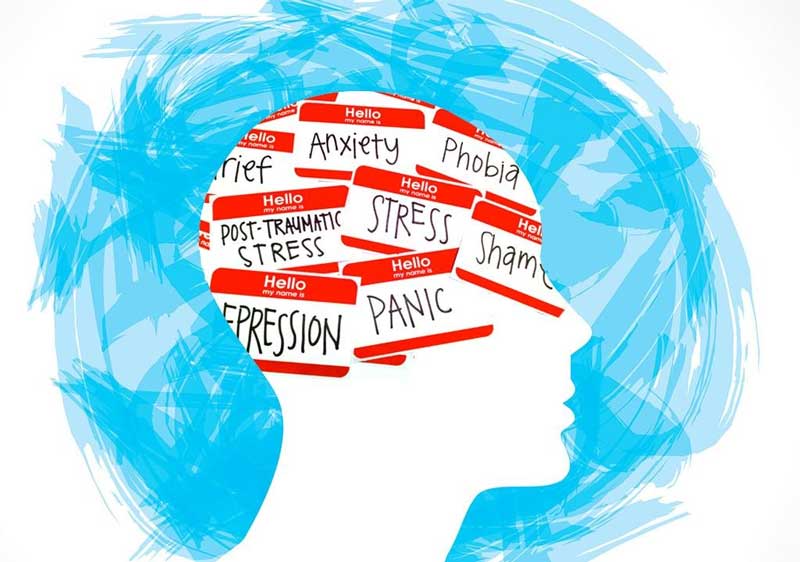
Mental health stigma can make it harder for students to speak openly, seek support, and participate fully in school or college life. It may appear through negative labels, dismissive attitudes, discrimination, or the belief that mental health challenges are a personal weakness.
For students, stigma can affect emotional well-being, academic progress, social relationships, and access to care. Addressing it is an important part of building safer, more supportive educational environments.
Table of Content
- What Mental Health Stigma Means
- How Stigma Affects Students
- Impact on Academic Life
- Barriers to Seeking Help
- Why Supportive Educational Environments Matter
- Practical Ways to Reduce Mental Health Stigma
- Conclusion
What Mental Health Stigma Means
Mental health stigma refers to negative attitudes, stereotypes, or unfair treatment directed at people who experience mental health conditions. It can be obvious, such as bullying or exclusion, or subtle, such as avoiding a student after they disclose a concern. The American Psychiatric Association notes that stigma and discrimination can lead to harm and marginalization for people living with mental health conditions.
Among students, stigma often appears in three main forms:
| Type of Stigma | What It Means | How It May Affect Students |
|---|---|---|
| Public stigma | Negative beliefs held by others | Students may feel judged, excluded, or misunderstood |
| Institutional stigma | Barriers within school or college systems | Students may struggle to access support or accommodations |
| Self-stigma | Internalizing negative beliefs | Students may feel shame, blame themselves, or avoid seeking help |
How Stigma Affects Students
Emotional and Psychological Effects
Students who experience stigma may feel isolated, anxious, embarrassed, or unsupported. Fear of being judged can make them hide their struggles or avoid discussing their concerns with teachers, family members, friends, or counselors.
Stigma can also damage self-esteem. When students repeatedly hear negative messages about mental health, they may begin to believe those messages about themselves. This can make it harder to cope with stress, maintain confidence, and stay engaged in daily activities.
Impact on Academic Life
Mental health stigma can affect how students learn, participate, and perform academically. A student who fears being labeled or misunderstood may avoid asking for extensions, counseling referrals, academic accommodations, or emotional support.
Possible academic effects include:
-
Reduced concentration and motivation
-
Lower class participation
-
Avoidance of group work or extracurricular activities
-
Increased absenteeism
-
Difficulty completing assignments on time
-
Withdrawal from campus or school life
These outcomes are not caused by stigma alone. However, stigma can make existing challenges worse by delaying support and increasing isolation.
Barriers to Seeking Help
One of the most serious effects of stigma is that it can discourage students from seeking help. Students may worry that others will see them differently, question their ability, or share private information without consent.
Research and public health guidance consistently identify stigma as a barrier to mental health care and help-seeking. The CDC explains that stigma can lead to negative treatment of people with mental health conditions, while WHO has highlighted stigma and discrimination as major obstacles to mental health inclusion and support.
When students delay support, their difficulties may become harder to manage. Schools, colleges, and universities should therefore make mental health services visible, confidential, and easy to access.
Why Supportive Educational Environments Matter
A supportive school or campus environment can reduce stigma and encourage students to seek help earlier. The CDC emphasizes that school connectedness can support student well-being and is linked with better long-term health outcomes.
Students are more likely to ask for help when they believe adults and peers will respond with respect, privacy, and practical support. This makes mental health awareness a shared responsibility across the whole educational community.
Practical Ways to Reduce Mental Health Stigma
1. Provide Accurate Mental Health Education
Schools and colleges should provide age-appropriate mental health education that explains common mental health challenges, corrects myths, and encourages respectful language. Awareness programs should be practical, evidence-based, and inclusive.
2. Train Teachers and Staff
Teachers, lecturers, administrators, and support staff should be trained to recognize signs of distress, respond without judgment, and refer students to appropriate services. Staff should also understand confidentiality, reasonable accommodations, and the importance of avoiding stigmatizing language.
3. Make Support Services Easy to Access
Mental health support should be clearly communicated to students. Institutions should provide information about counseling services, referral pathways, emergency procedures, and academic support options in simple and accessible language.
4. Protect Student Privacy
Students may avoid help if they fear exposure or gossip. Schools and colleges should have clear privacy policies and explain how student information is handled. Confidentiality builds trust and encourages early help-seeking.
5. Encourage Peer Support Safely
Peer support can reduce isolation and help students feel understood. However, peer programs should be supervised, structured, and connected to professional support services. Students should not be expected to replace trained mental health professionals.
6. Use Respectful Communication
Language matters. Educational institutions should avoid labels, jokes, stereotypes, or blame-based wording. Mental health should be discussed as part of overall well-being, not as a weakness or failure.
Conclusion
Mental health stigma can affect students’ confidence, relationships, academic participation, and willingness to seek support. It can also create barriers that prevent students from receiving help when they need it.
Educational institutions can reduce stigma by providing accurate mental health education, training staff, protecting privacy, improving access to support, and building a culture of respect. When students feel safe and understood, they are more likely to participate fully in learning and seek help without shame.





Comments 0
No comments yet. Be the first to start the conversation.