



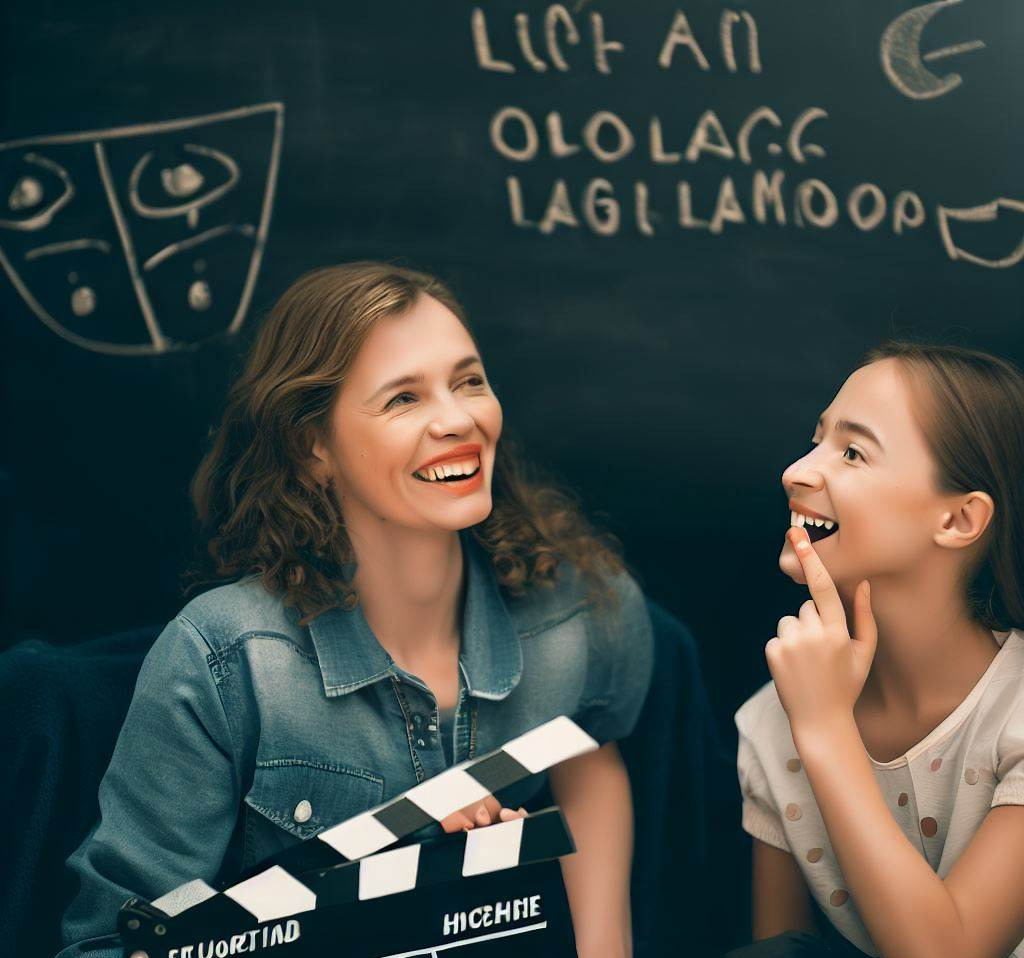
Learning Language and Culture Through Movies
Movies are often seen as a source of entertainment, but they can also support learning in practical ways. For language learners, films offer exposure to real conversations, pronunciation, tone, and everyday expressions. For learners interested in culture, movies can provide useful insights into social behavior, values, and ways of life.
When used actively rather than passively, films can become a helpful tool for improving listening skills, expanding vocabulary, and developing cultural awareness.
Why Movies Can Support Learning
One of the main advantages of learning through movies is that films present language in context. Unlike isolated word lists or grammar drills, movies show how people actually speak in different situations. Learners hear sentence patterns, pauses, emotions, and common expressions in a natural setting.
This can be especially useful for improving:
-
listening comprehension
-
pronunciation awareness
-
vocabulary development
-
understanding of tone and context
-
recognition of everyday communication patterns
Because movies combine sound, visuals, and story, they can also make learning more engaging and easier to remember.
Learning Language Through Movies
Watching movies in a target language can help learners become more familiar with real-life speech. Dialogues in films often include informal expressions, accents, and conversational rhythm that are difficult to capture fully in standard textbooks.
Subtitles can make this process more effective. For many learners, subtitles in the target language help connect spoken words with their written form. This can improve comprehension and support vocabulary retention. In some cases, learners may begin with native-language subtitles and later move to target-language subtitles as their confidence improves.
However, movies should not replace structured study. They work best as a supplement to reading, writing, speaking, and grammar practice.
Understanding Culture Through Film
Movies can also help viewers explore cultural settings beyond their own. A film may show family relationships, communication styles, social expectations, school life, workplace behavior, or community traditions. These details can help learners better understand how culture shapes language and interaction.
For example, films from different countries may reveal:
-
patterns of greeting and politeness
-
family roles and social expectations
-
attitudes toward education, work, or tradition
-
everyday routines and public behavior
-
differences in humor, emotion, and communication style
Still, viewers should be cautious. A single film does not represent an entire country or community. Cultural understanding improves when learners watch a range of films and compare perspectives rather than relying on one story alone.
Choosing the Right Movies
The choice of movie affects the learning experience. Not every film is equally useful for language development or cultural understanding.
For language learning, it is helpful to choose films that have:
-
clear and understandable dialogue
-
subtitles in the target language
-
realistic conversations
-
familiar or easy-to-follow themes
For cultural learning, films focused on everyday life, family, education, work, or society are often more useful than highly fantastical or action-heavy stories. Beginners may benefit from slower-paced films, short films, or series with simple dialogue.
Cognitive and Educational Value
Watching movies can support several learning-related skills when done attentively. Learners often practice focus, interpretation, memory, and empathy while following a story. Films can also encourage reflection by asking viewers to connect language, character behavior, and context.
In formal education, teachers may use movies to support discussion, introduce social themes, or provide examples that bring abstract topics to life. In informal settings, films can encourage group discussion, peer learning, and spoken practice.
This makes movies useful not only for individual learners but also for classrooms, language clubs, and cultural programs.
Effective Ways to Learn From Movies
Simply watching a movie is not always enough. Active engagement makes the learning process more effective.
Before Watching
Prepare by learning a few key words, understanding the setting, or reading a short summary of the film. This can make the content easier to follow.
While Watching
Pause when necessary and note down:
-
unfamiliar words or phrases
-
repeated expressions
-
pronunciation patterns
-
cultural details or behaviors
Rewatching important scenes can also help learners understand meaning more clearly.
After Watching
Post-viewing activities strengthen retention. Useful follow-up tasks include:
-
summarizing the story in your own words
-
discussing the film with others
-
writing down new vocabulary
-
reflecting on cultural themes
-
comparing the movie with your own experiences or prior knowledge
These steps turn entertainment into active learning.
Limits to Keep in Mind
Although movies can be valuable learning tools, they also have limitations. Film dialogue may be fast, dramatic, or stylized. Some characters speak in slang, regional accents, or exaggerated ways that may confuse beginners. In addition, films often reflect a director’s perspective rather than everyday reality in full.
For this reason, movies should be used thoughtfully and alongside other reliable learning methods.
Conclusion
Movies can be more than entertainment. They can help learners hear language in use, observe cultural behavior, and build stronger listening and interpretive skills. Their greatest value lies in combining learning with attention, curiosity, and enjoyment.
For students, teachers, and independent learners, cinema can be a useful support tool when paired with active viewing and critical thinking.







Comments 0
No comments yet. Be the first to start the conversation.